Water
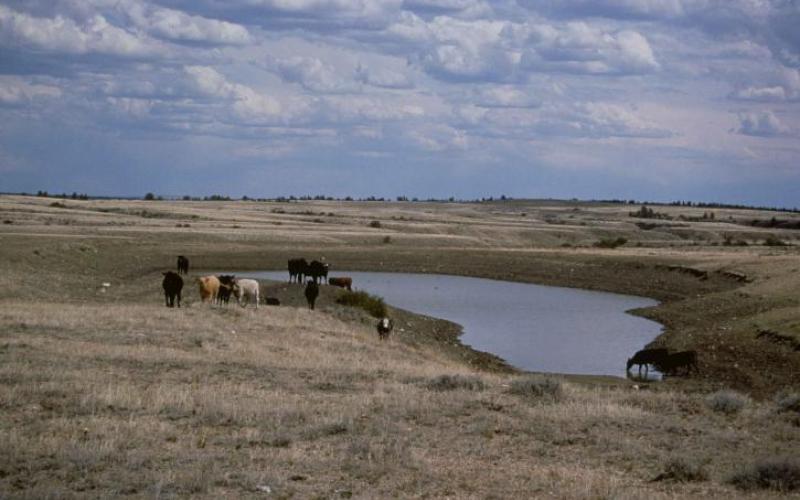
Ranch Drought Planning
Fact sheet with general drought planning tips from the range and natural resource perspective.
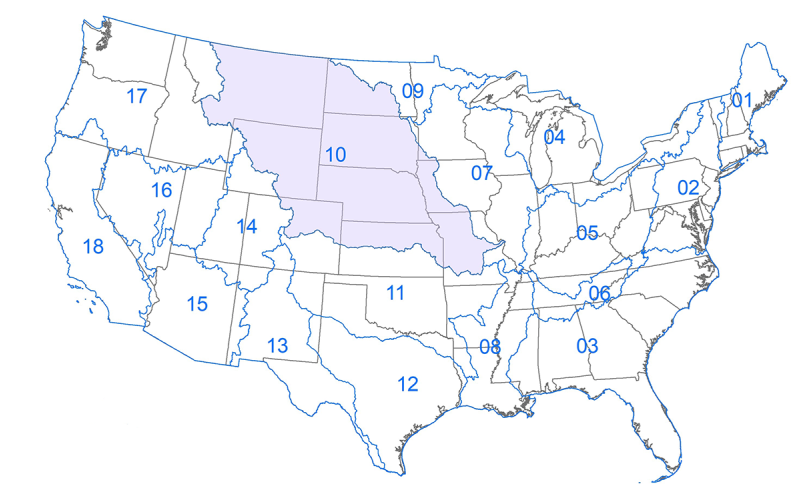
What is a Hydrologic Unit Code (HUC)?
HUC is the acronym for Hydrologic Unit Code. It is a hierarchical land area classification system that is based on surface hydrologic features in a standard, uniform geographical framework.
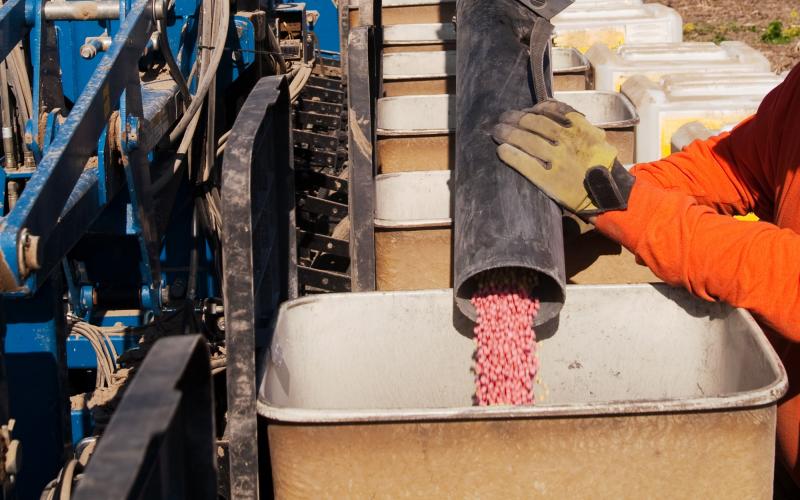
Pre-Plant Disease Management Considerations
If the forecast holds true, it looks like it is going to be another year of excessive soil moisture and possible flooding come this spring. The increased level of soil moisture has implications with regards to plant stand establishment as well as root rot and nematode infestations.
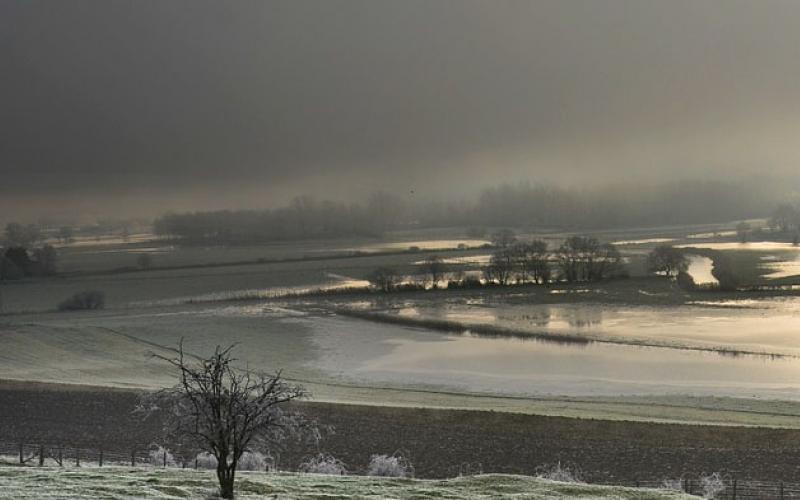
Implications of Excessive Soil Moisture for Disease Development in Winter Wheat
Although it is too early to start thinking about disease issues in winter wheat at this time, current flooding in some areas may have implications on diseases that may develop on winter wheat.
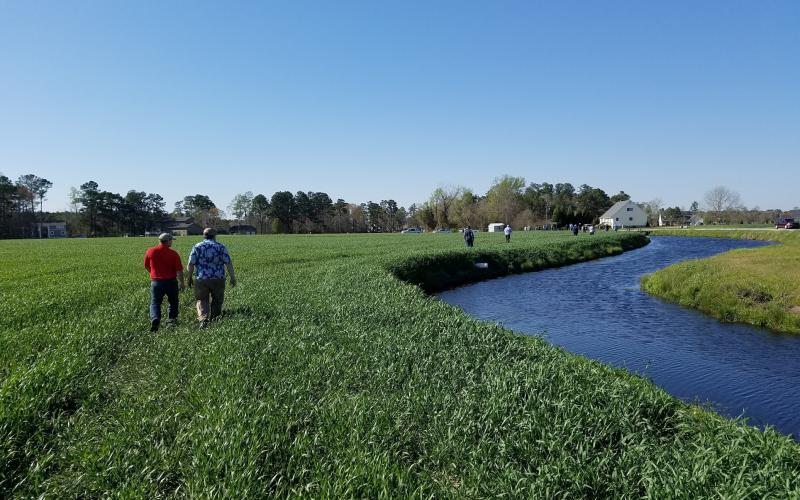
Online Eastern South Dakota Water Conference set for Oct. 20
December 29, 2021
The theme for this year’s conference is “Ground Truth – Water Resource Management and Remote Sensing.”
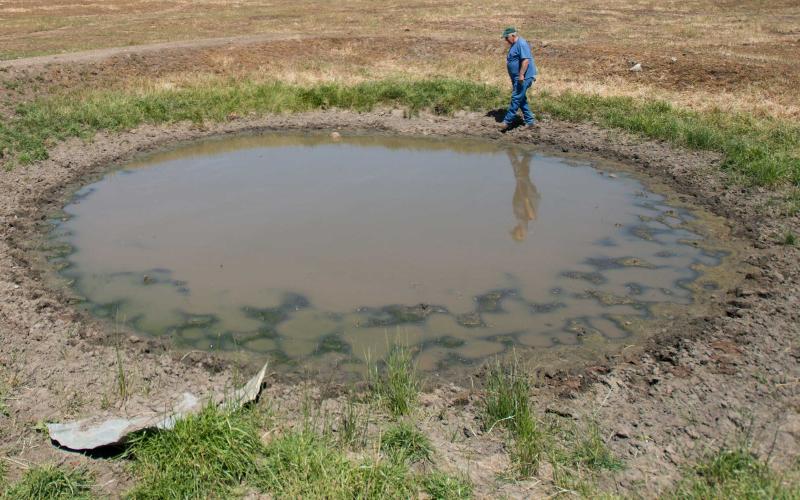
How Do Sulfates in Water Affect Livestock Health?
Poor-quality water will cause an animal to drink less. As a result, they also consume less forage and feed, which leads to weight loss, decreased milk production and lower fertility.
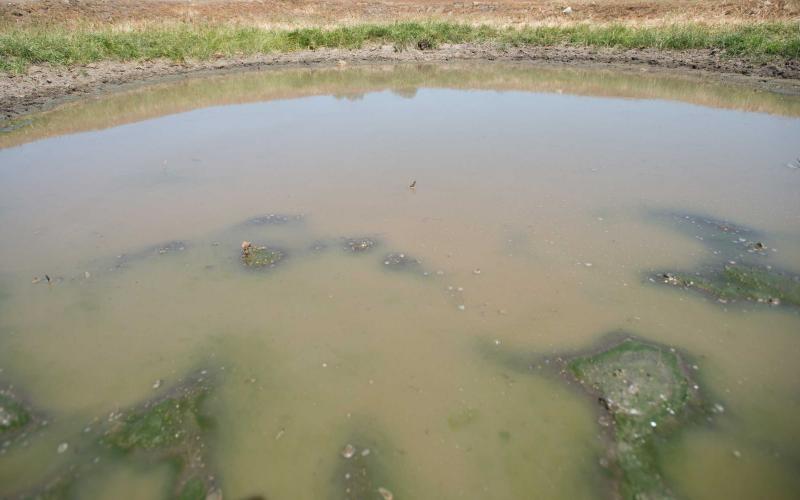
How Important Is Water Quality to Livestock?
Water is the most important nutrient to all livestock animals and is sometimes overlooked. Poor quality water can have a negative effect on growth, reproduction, and general productivity of the animal.
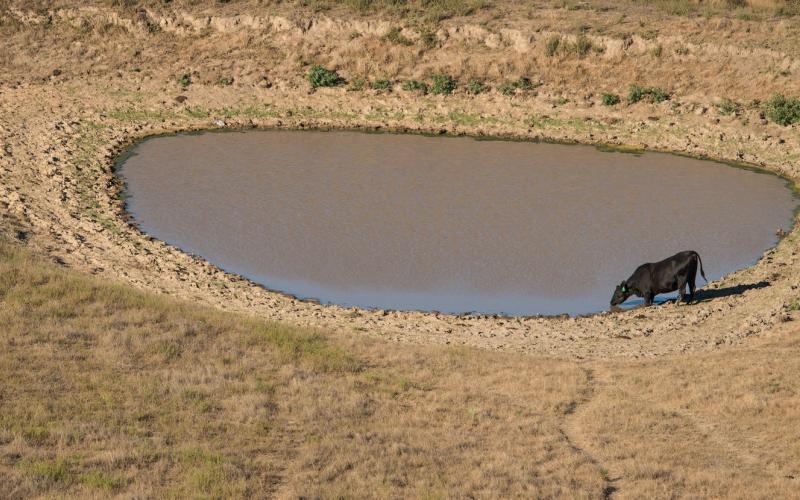
Feed & Water Testing Laboratories
A partial listing of available feed testing laboratories.
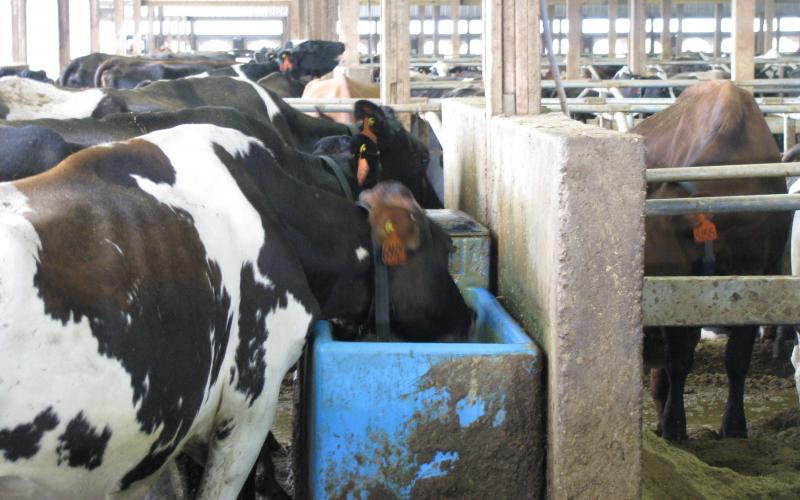
Water Importance in Lactating Dairy Cows
When considering the importance of water in lactating cow diets, we need to remember that milk is 87 percent water, and its consumption is directly correlated with milk production and feed intake. Water also makes up anywhere from 55 percent to 70 percent of the body weight of a lactating dairy cow, depending upon the phase of the lactation cycle.
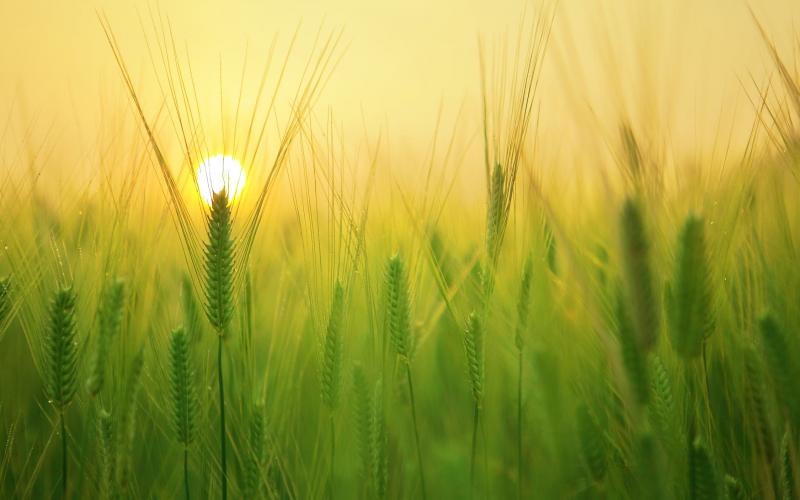
Water Use by Plant Stage
Over the growing season, solar radiation, air temperature and plant size are the dominant factors in determining evaporative demand and the rate of water use by wheat. Water use can vary dramatically on a day-to day basis, depending on climate and wheat health.