Insect & Pests
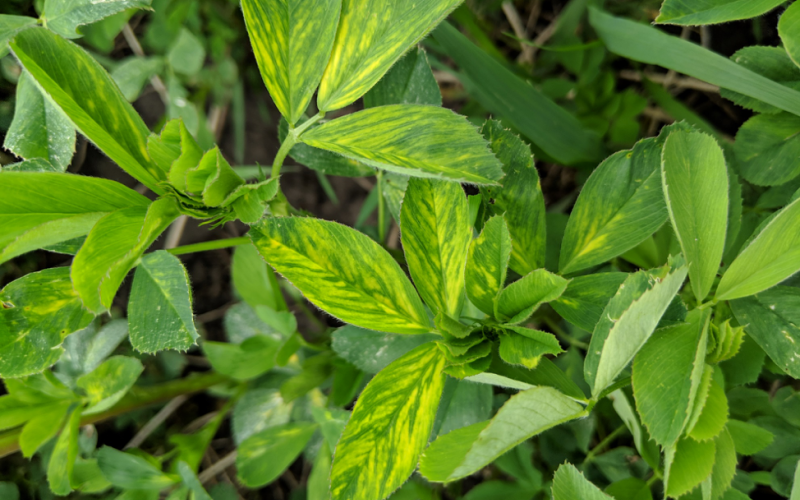
Alfalfa Mosaic Developing in a Few Alfalfa Fields
In South Dakota, alfalfa fields that were recently scouted were found to be infected with Alfalfa mosaic virus (AMV) at a very low incidence. AMV is a common virus in alfalfa that can also infect soybeans.
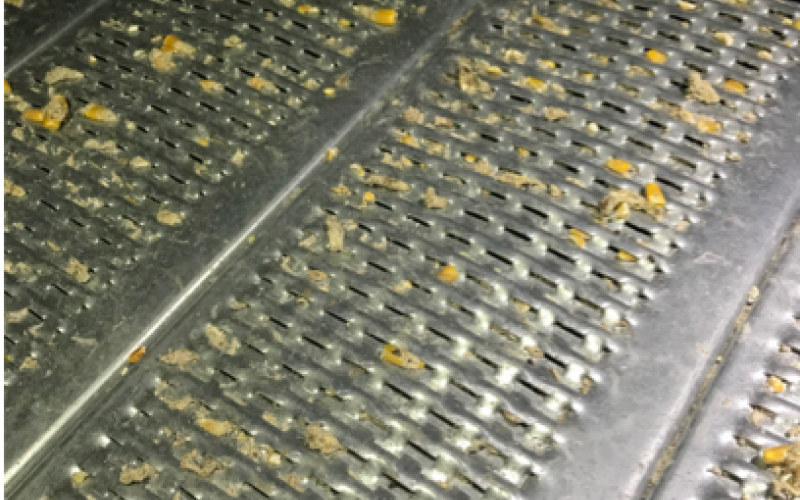
Stored Grain Pests: Spring Insect and Disease Issues
Grain storage is a key component in getting your crop to market. Aside from watching bins for spoilage, moisture, and temperature changes, make sure you are looking for signs of pest infestation.
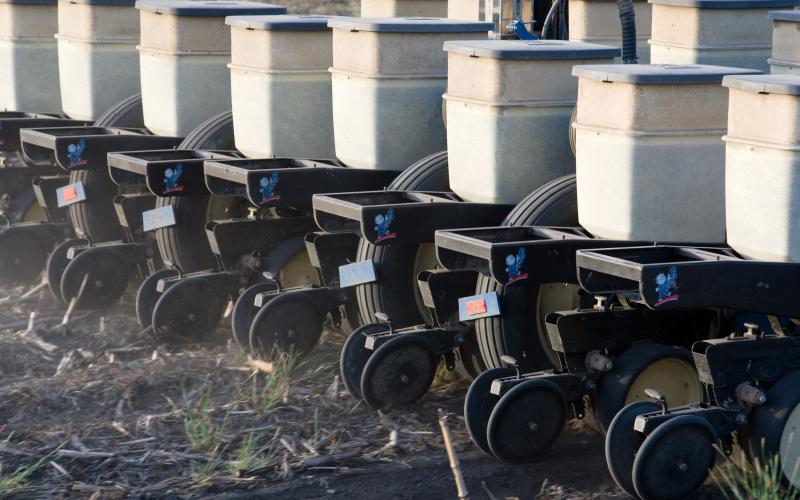
Fungicide Seed Treatment Considerations for 2019
With the excessive soil moisture and flooding that has occurred throughout South Dakota, growers may be thinking about using a fungicide seed treatment this planting season.

Growing Sweet Corn in South Dakota
Sweet corn is a delicious vegetable enjoyed by both kids and adults. It is popular in the mid-to-late summer and is often bought at stands on street corners and grocery stores throughout small towns in South Dakota. What many people don’t know, however, is that sweet corn is a remarkably easy vegetable to grow yourself. All you need are a few essential materials and some basic knowledge to grow your own delicious sweet corn.
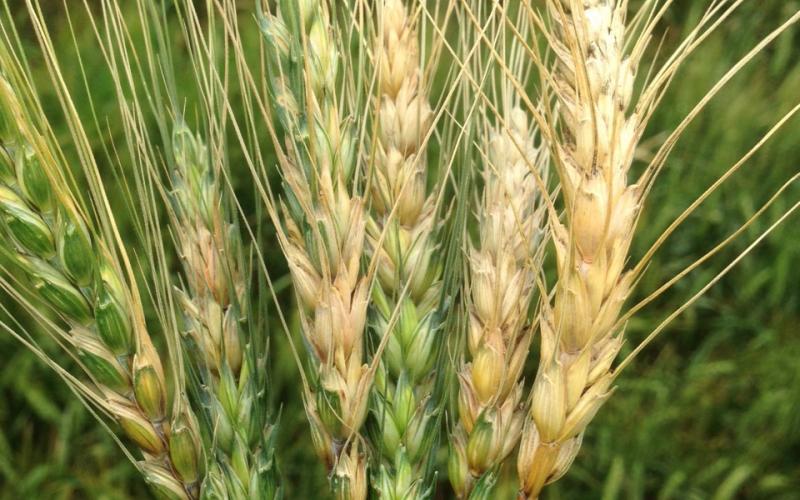
Wheat Stem Maggots Observed in S.D. Wheat
While scouting wheat fields throughout South Dakota, we have started noticing the presence of bleached heads scattered throughout many different fields. These discolored heads are the result of an infestation of the wheat stem maggot.

Consider SCN Sampling This Spring
Soybean cyst nematode management starts with a soil test to determine the presence or absence of this nematode in the soil.
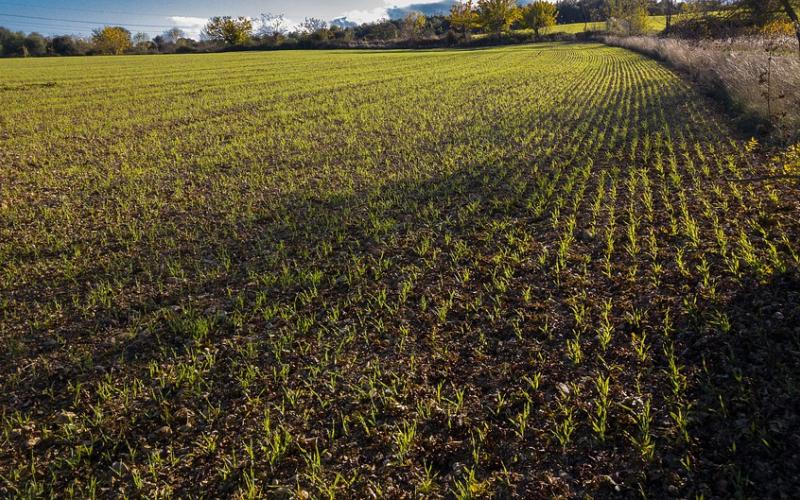
Winter Wheat Breaking Dormancy Early
A threshold indicator for winter wheat emergence is to consider average temperatures over a 14-day period. When that 14-day average temperature is equal to or above 5°C, or 41°F, then hard red winter wheat can break dormancy.
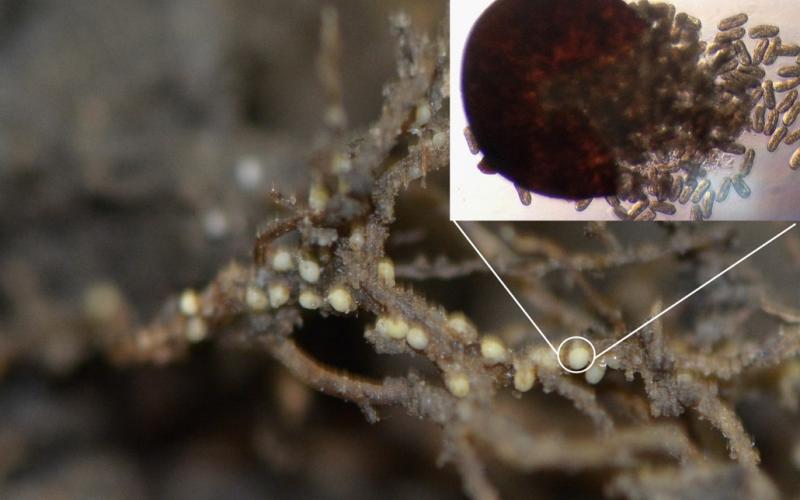
Fall is a Good Time to Test Your Soil for SCN
Is your yield monitor indicating low yielding areas in your soybean field? Soybean Cyst Nematode (SCN) could be the problem. Get to the root of the problem by testing your soil for the soybean cyst nematode. SCN management starts with a soil test to determine the presence or absence of this nematode in the soil. Absence may indicate either the SCN has not established in the field or could be present in non-detectable levels.
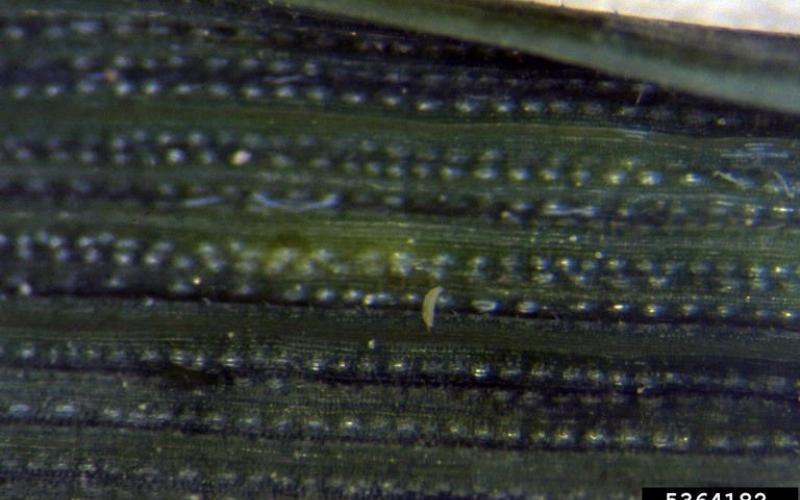
Managing Wheat Curl Mite
Wheat curl mite is one of the more difficult pests to manage in wheat. This is in part due to the limited options available for preventing populations from infesting a field and rapidly reproducing.
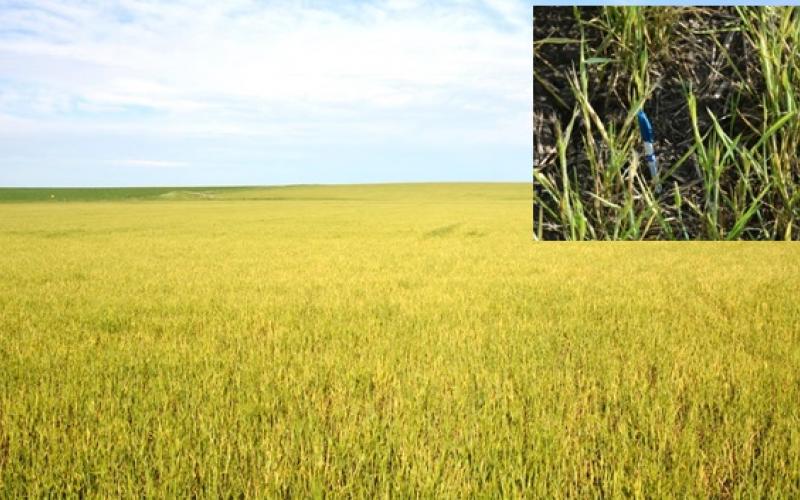
Wheat Streak Mosaic Virus Management: Plan ahead before planting this fall
Have you had a history of moderate wheat streak mosaic disease in your field? Do you plan on planting wheat into wheat stubble or wheat fallow? Have your neighbors had wheat streak mosaic disease outbreaks in the recent past? If you answered yes to any of these questions, you need to incorporate wheat streak mosaic control principles into your management plan before planting winter wheat this fall.