Insect & Pests
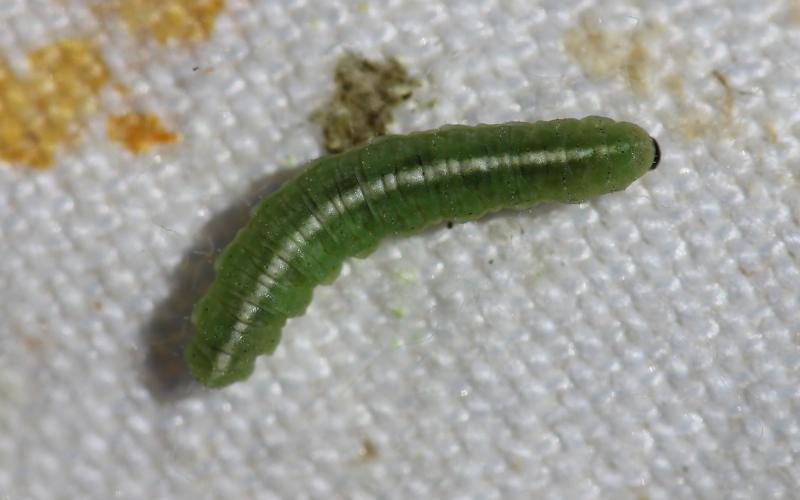
Alfalfa Weevil Activity Prediction Update: May 25, 2023
Last week we confirmed both alfalfa weevil adult and larval activity in alfalfa. Scouting should continue, as the forecasted warm weather will promote alfalfa weevil larvae feeding.

Common Stalk Borer Activity Estimate: May 25, 2023
Common stalk borer caterpillars are a frequent early-season pest of corn, and their hatching and movement can be estimated by using degree days. See our latest scouting and management recommendations based on observations from around the state.
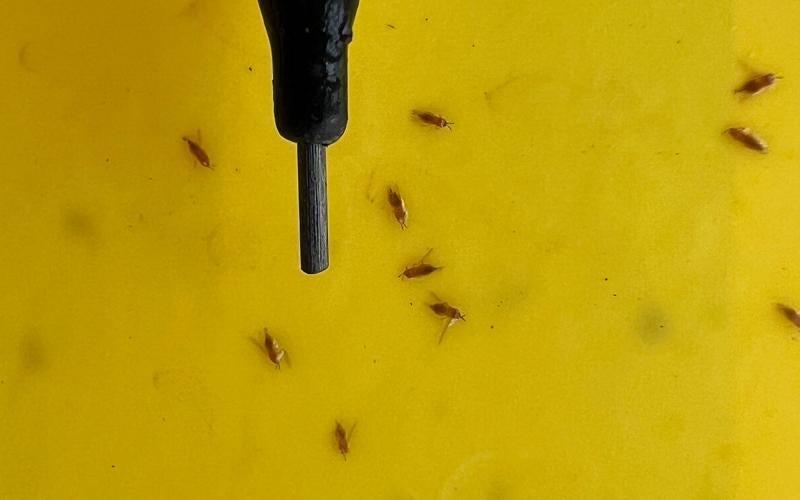
Invasion of the Western Flower Thrips
Recent southerly winds brought large numbers of western flower thrips to the eastern third of South Dakota. Learn how to identify and manage this pest before they become a problem in your yard and garden.
Alfalfa Weevil Activity Prediction Update: May 19, 2023
Forecasted weather conditions are ideal for alfalfa weevil activity, and early detection of feeding activity will prevent extensive defoliation.
Alfalfa Weevil Activity Prediction Update: May 15, 2023
During the last week, the entire state reached enough degree days to have active alfalfa larvae. In areas with the highest accumulation of degree days, alfalfa should be scouted to ensure that alfalfa weevils don’t cause extensive defoliation.
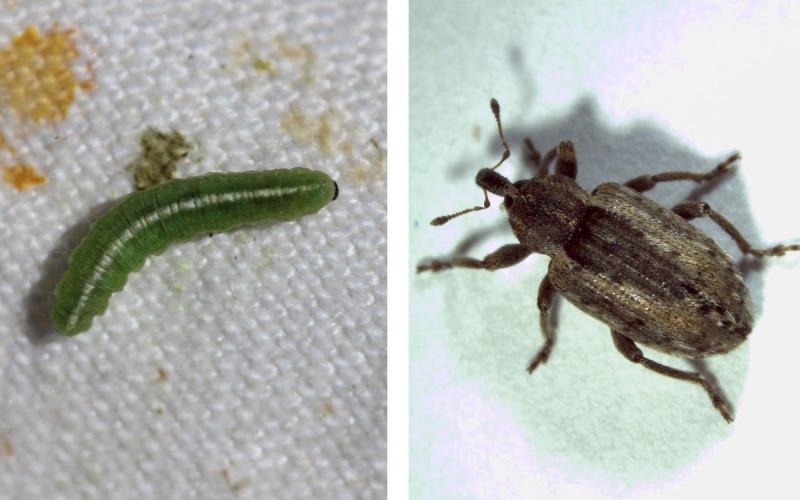
It’s Time To Start Scouting for Alfalfa Weevils in South Dakota
With increasing temperatures, the degree days for alfalfa weevils have steadily increased. The best way to avoid serious alfalfa weevil defoliation is to scout and detect populations early.
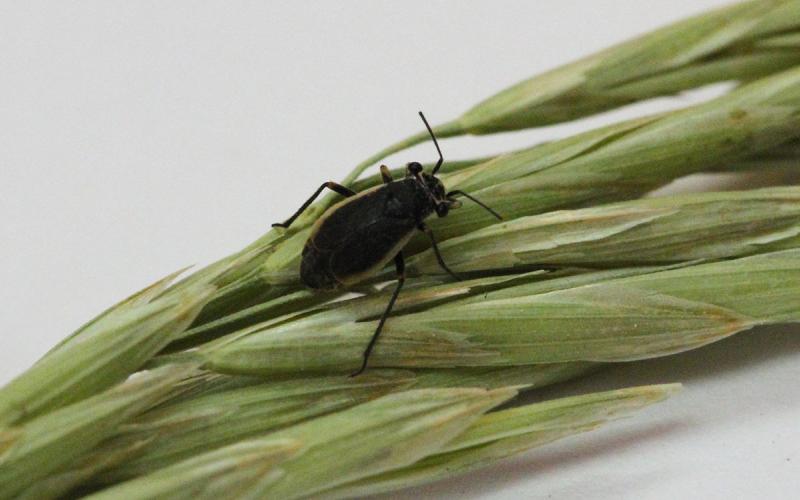
Time to Start Scouting for Black Grass Bugs
In central and western South Dakota, black grass bugs are a common spring forage pest that can cause considerable damage during periods of drought. Learn how to monitor and manage this pest to protect your forages this spring.
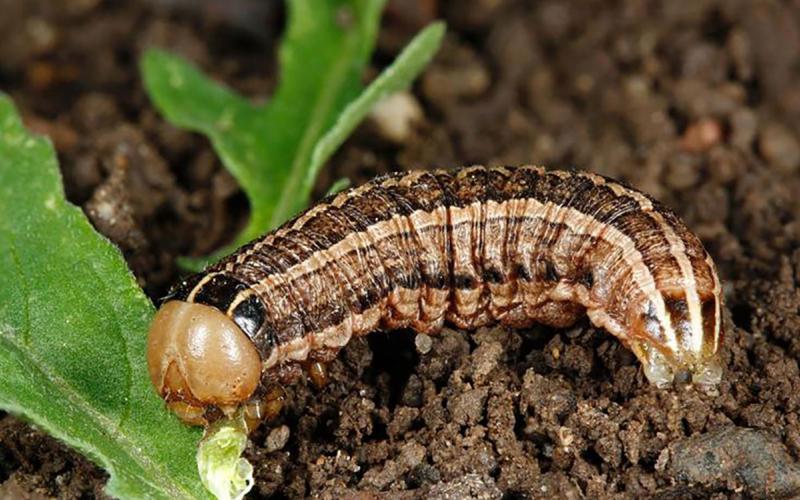
Army Cutworms Are Active in South Dakota
Army cutworms can rapidly reduce winter wheat stands if large populations are present. See our latest management recommendations based on observations from around the state.
Alfalfa Weevil Activity Prediction Update: May 4, 2023
With warmer temperatures during the last week, there was an increase in the accumulation of degree days for alfalfa weevils. See our latest observations from around the state.
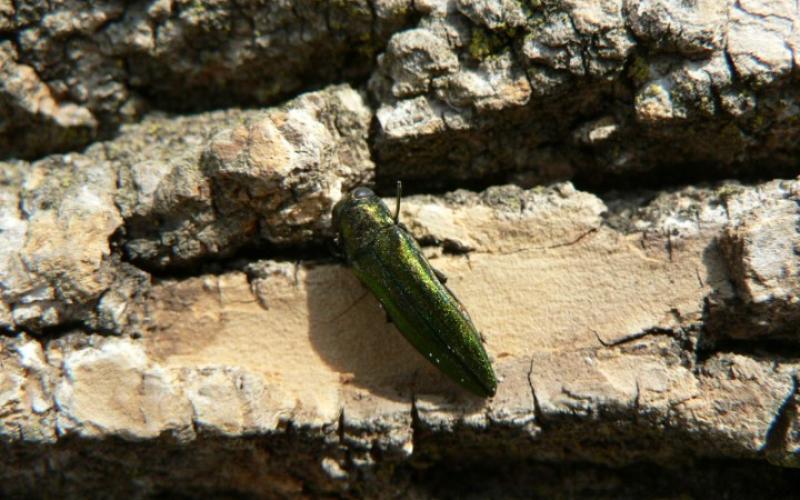
Emerald Ash Borer Life Cycle in South Dakota
This fact sheet is a general description of the emerald ash borer life cycle in South Dakota.