Farm Management
All Farm Management Content
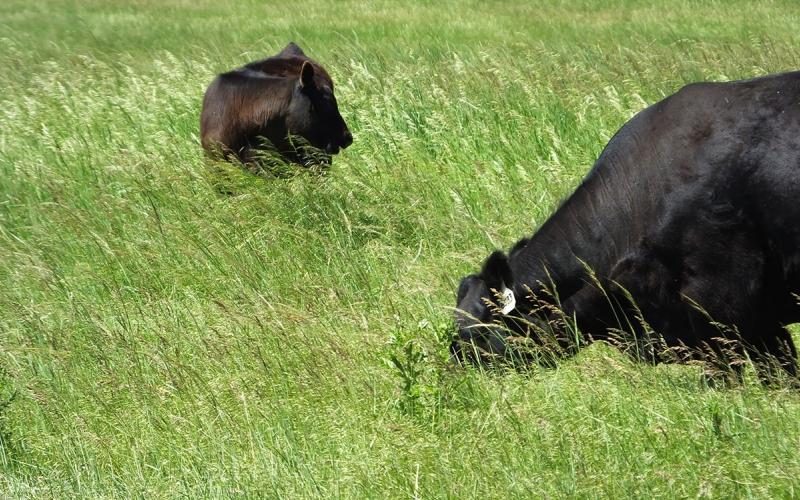
Grass-Fed Beef: Understanding Terminology in Conventionally Raised Beef and Grass-Fed Beef
What makes grass-fed beef different from conventionally raised beef? This is perhaps the most-common and sometimes most-complex question that arises amongst those hoping to understand the similarities and differences between conventional and grass-fed beef.
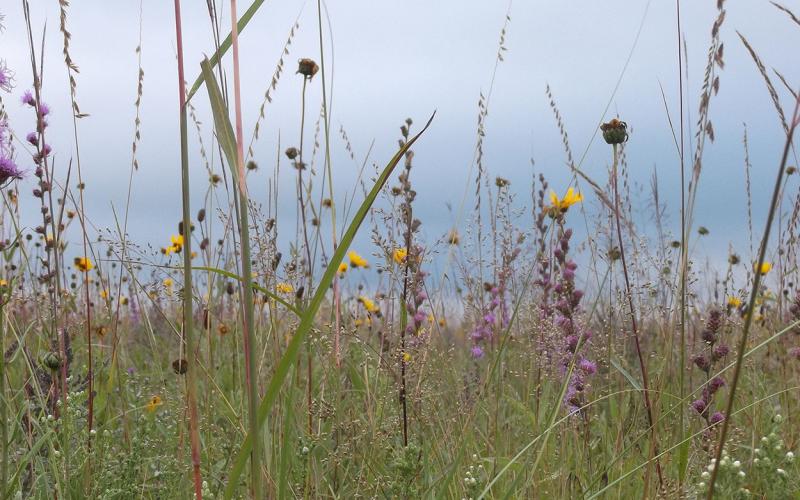
Partnerships Are Keys To Preventing Endangered Species Impacts
South Dakota’s farmers and ranchers have significant influence on the management of our state’s natural resources, especially grasslands and the species that inhabit them. These species remind us of the importance of natural resources management for the greater good.
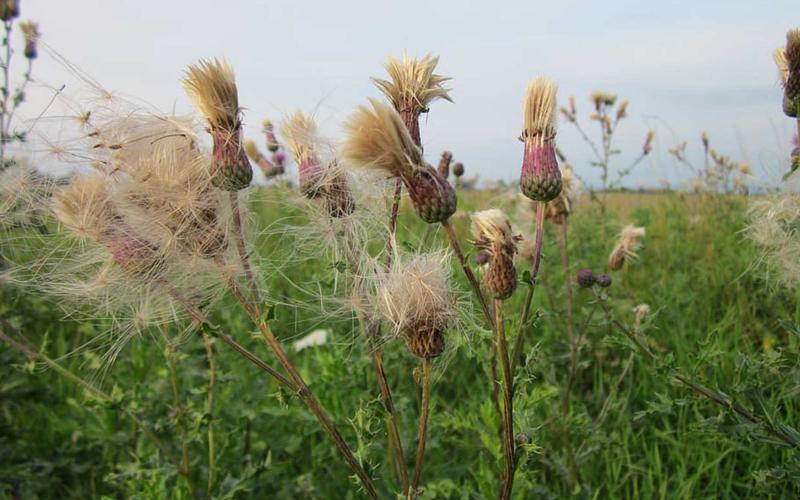
Dense Seeding Can Reduce Canada Thistle in Planted Grasslands
Canada thistle is a common invader in grassland plantings. Over the past decade, researchers and land managers have experimented with controlling Canada thistle in planted grasslands through increasing competition from desirable plants.
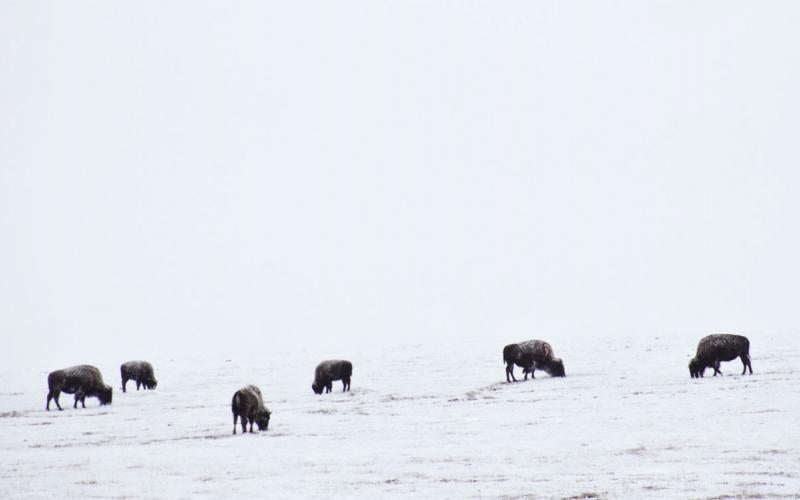
Considerations for Winter Bison Management
Although many tools and techniques developed for cattle management have been adapted for bison, there are some stark differences between the two species that producers should consider when managing bison on winter range.
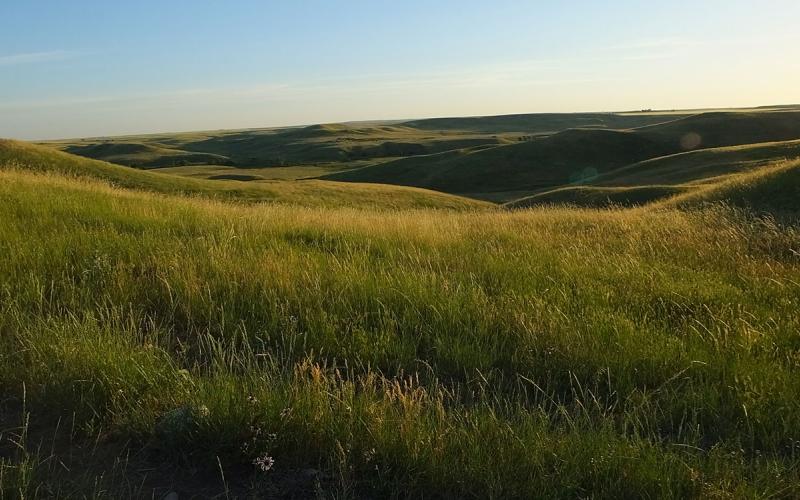
Range Beef Cow Research: Rangeland Soil Health
For rangelands to maintain productivity and produce adequate levels of forage, soil health must be sustained and function properly.
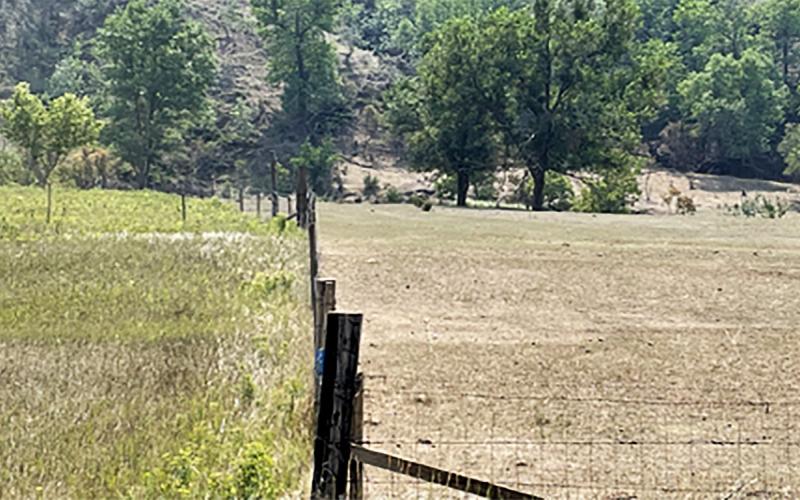
The Lasting Effects of Overgrazing on Rangeland Ecosystems
Overgrazing can cause various detrimental effects on rangeland ecosystems. Most of the effects are seen in the short term, but some are unseen and can be lasting.
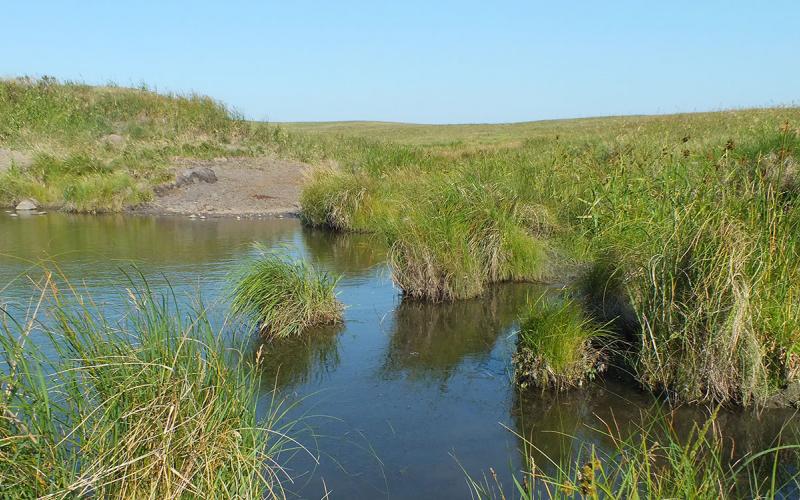
Managing Livestock Attractants Near Water
In the event that your pasture includes riparian areas, such as streams, rivers, lakes or ponds, you’ll want to take special care of these habitats. A riparian area is the space immediately adjacent to the shore, where water and land interact.
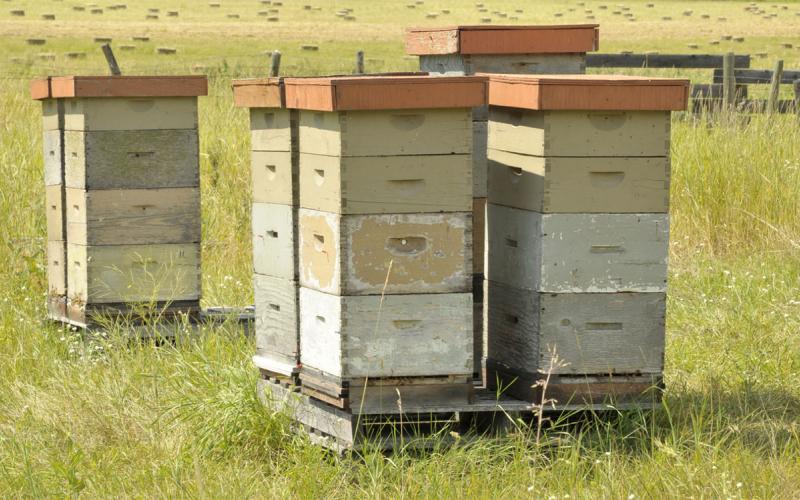
Grassland Goods and Services
Grasslands, whether in the form of pastureland, rangeland or various conservation program or habitat lands are important ecosystems that provide a variety of goods and services.
General Principals of Grazing Management
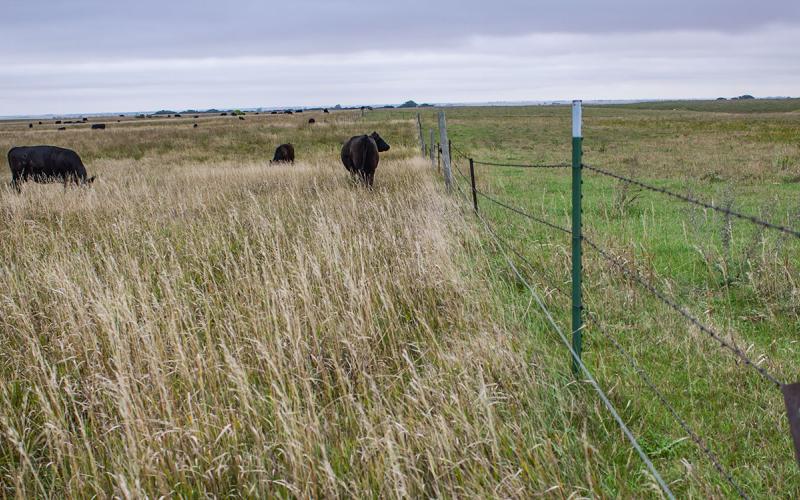
Grazing involves a number of variables, including land carrying capacity, type and distribution of the livestock, water distribution and number of pastures. A combination of proper grazing techniques and grassland management will improve harvest efficiency and lower production costs.
S.D. Producers’ Willingness To Adopt Patch Burn Grazing vs. Winter Patch Grazing
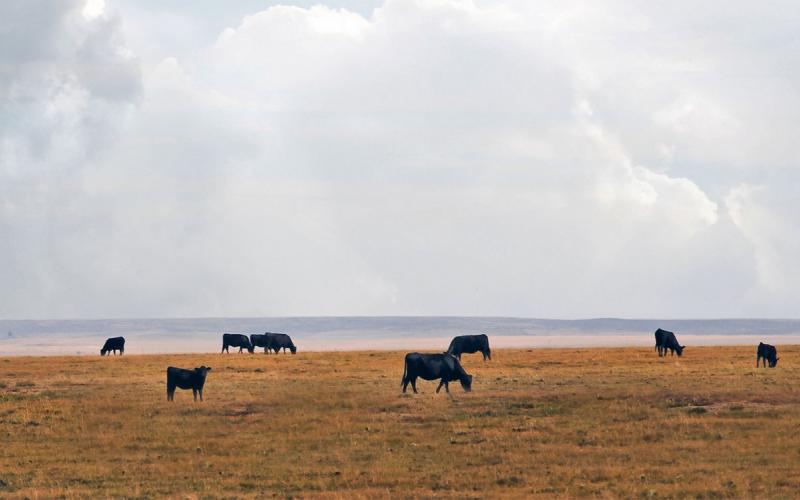
Patch-burn grazing and winter patch grazing are heterogenous rangeland management practices that aim to increase the variety of grass composition to benefit wildlife and maintain livestock production. To learn about producers’ desire to adopt these practices, we conducted an online survey between November 2019 and January 2020.