Farm Management
All Farm Management Content
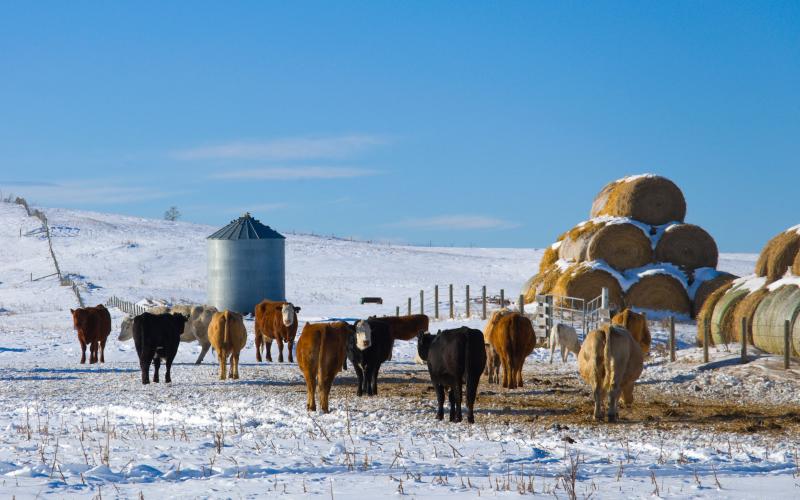
Bunch the Cow Herd
Reproduction is one of the biggest drivers of economic success. Cows stressed by cold, wind, snow, and mud will put energy resources into body condition maintenance and lactation prior to recycling.
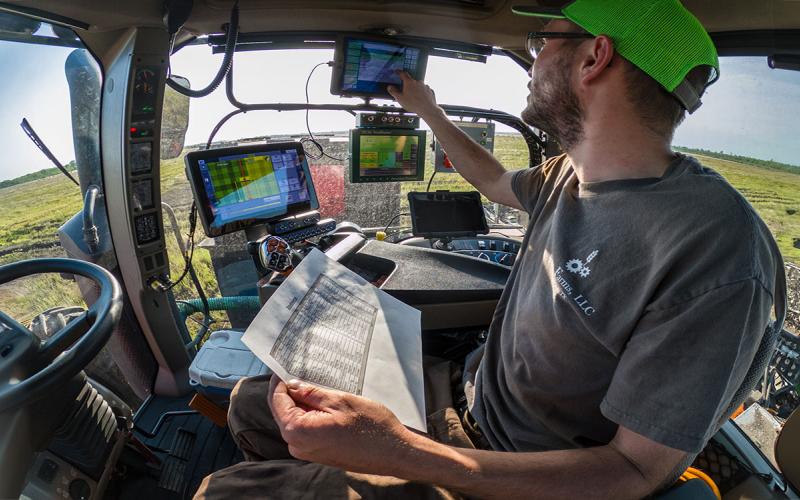
Where could cyberattacks occur in a precision agriculture system? An outlook on the system breakup.
Precision agriculture relies on cyber-physical systems that bring together sensors, computers, the internet, and farm equipment. Despite its numerous benefits, it also brings some risks to farming practices.

Ag Cybersecurity and Social Engineering 101
Social engineering is manipulating individuals to share confidential information and compromise security. By understanding the basics of social engineering, stakeholders can take proactive steps to ensure the resilience of agricultural systems against cyber threats.

Supplementing Cows on Pasture to Stretch Forage Supplies
With dry conditions spreading quickly across the Dakota’s, producers are forced to make challenging decisions on how many cow/calf pairs to turn out to pasture, and then determine how long the pastures will even last if moisture doesn’t come soon. During the spring/summer months, supplementing grass with energy and protein can decrease forage dry matter consumption.
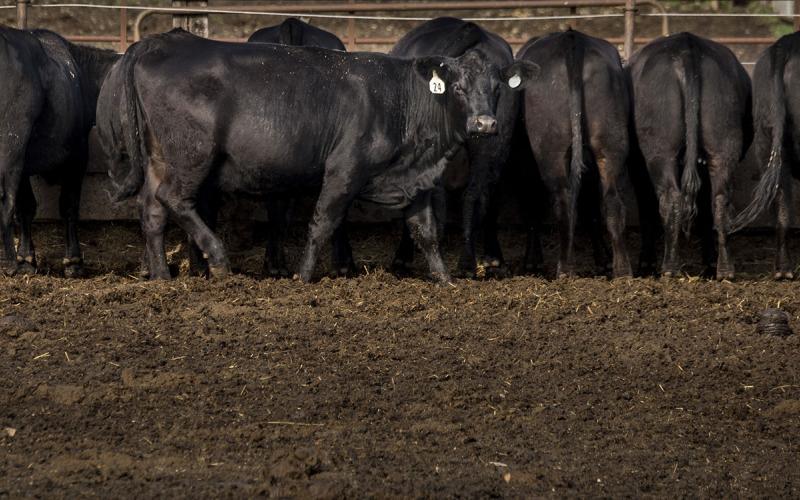
Feeding Damaged Wheat to Cattle
Feeding damaged wheat to livestock is one way to salvage value from the crop. Wheat can work well in cattle diets with some limitations.
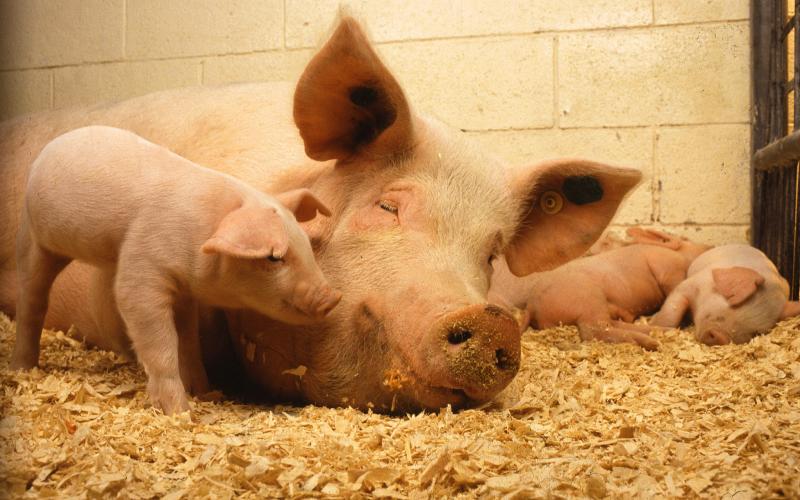
Next-Level Precision Sow Feeding
As the nutritional requirements of sows continue to be further refined, are there opportunities to achieve next-level precision sow feeding?

Capsicum Oleoresin Fed to Grow-Finish Pigs Improved Carcass Value
Feed additives are low incorporation, non-nutritive, feed ingredients designed to provide benefits in the growth, feed efficiency, and/or feed intake of animals and ultimately lower the cost of production.

Using Corn Wisely for Replacement Heifers
Producers’ goals are to maximize returns and this could be achieved through least-cost rations that provide the desired performance.
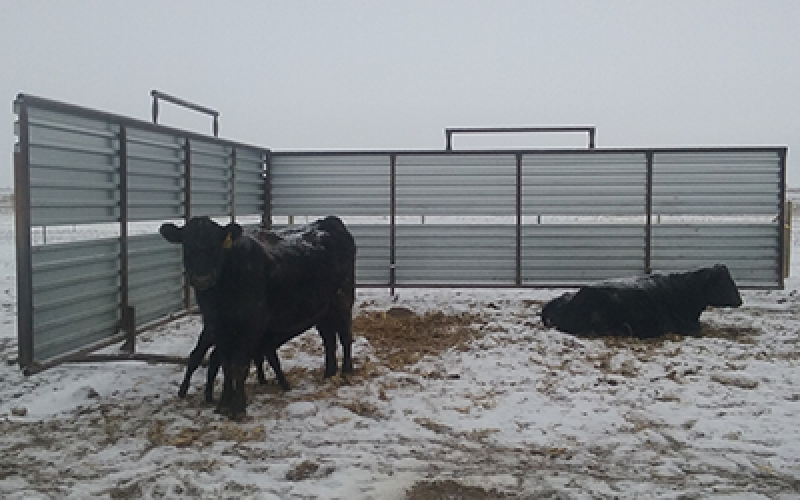
Cold Weather Management Options
Winter weather conditions impact cattle as well as the cattle producers. Cold temperatures combined with wind creates more stress and increased management to achieve similar animal performance.
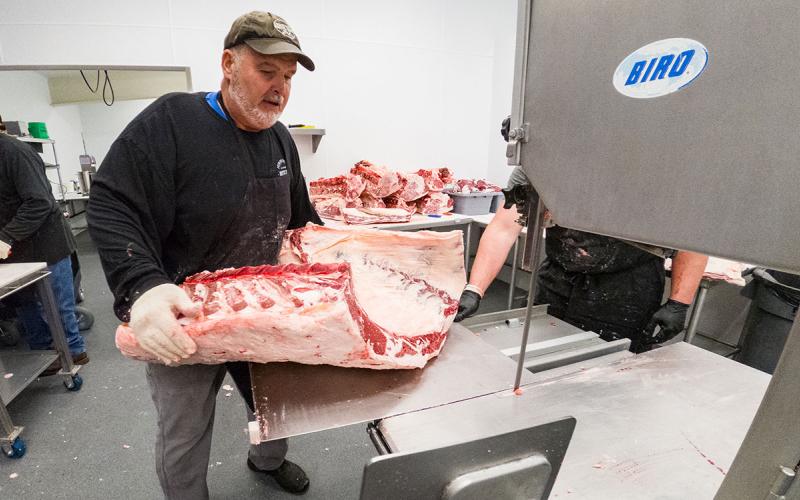
Expanded Meat and Poultry Processing Resources Available to S.D. Livestock Producers and Meat Processors
The USDA's commitment to creating a more-resilient meat and poultry processing system is making new opportunities for rancher-owned enterprises, worker-owned housing and other cooperative initiatives.