Farm Management
All Farm Management Content
![A green tractor planting seeds in a no-till field. Courtesy: United Soybean Board [CC BY 2.0] via Flickr](/sites/default/files/styles/teaser_800x500/public/2019-10/W-00433-00-no-till-planting-soybeans-field.jpg?h=b2774bcf&itok=4KjGmXKP)
Farm Practices That Improve Soil Health: Crop Rotations and No-Till
Implementing crop rotations and no-till practices are common suggestions to reduce erosion, control pests, and improve yields. These practices can also improve soil health through an increase in soil carbon levels.
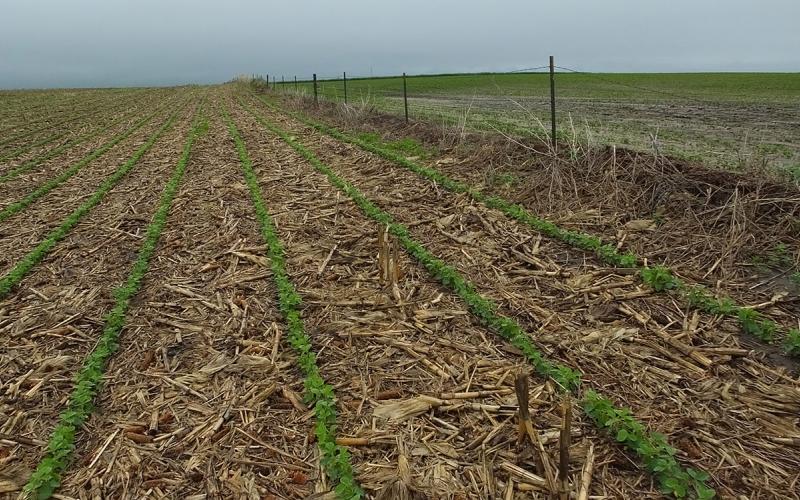
Economics of Different Crop Rotation Systems in South Dakota
Economic returns are an important factor to consider when selecting crop rotation systems.
Crop Changes in South Dakota: 2017-2022
According to the recently released 2022 Census of Agriculture, crop variety has slightly increased in South Dakota over the past five years (2017-2022).
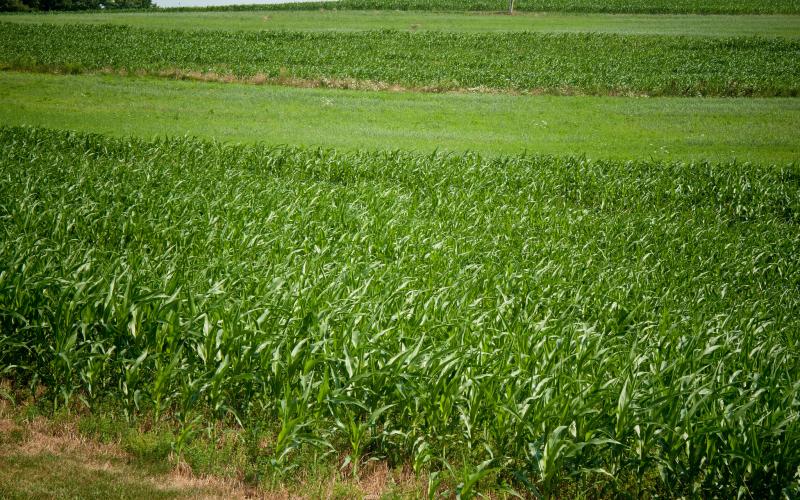
Crop Rotation Potential: Improving Soil Health & Farm Profitability
Two-year corn-soybean rotation coupled with heavy chemical inputs has become the routine practice of agricultural production in the Midwestern United States. According to USDA/NASS data, corn and soybean prices received by producers in South Dakota both reached the peak levels of $7.39 and $16.00 per bushel, respectively, in August, 2012.
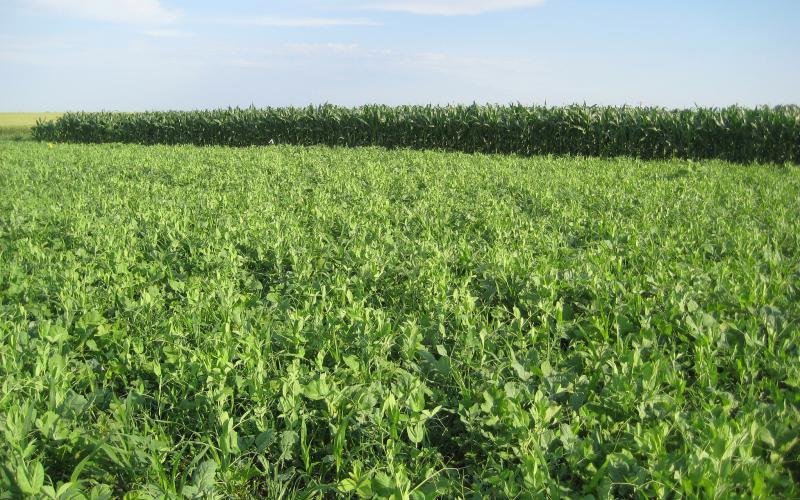
Cover Crop Usage in South Dakota is on the Rise
The number of South Dakota producers who use cover crops has been increasing at an accelerating rate over the past ten years.
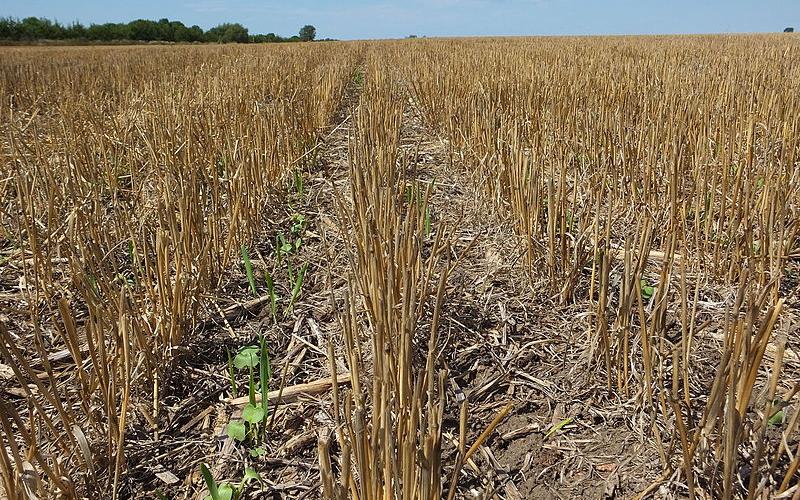
Cover Crop Adoption: Farmers’ perceived benefits & barriers
Cover crops are generally defined as crops planted between cash crops to cover and protect the soil. Some demonstrated benefits of cover crops include: reduced soil erosion, increased soil organic matter, increased biological variety, increased nitrogen supply, and weed control. Depending on the farmers’ objectives, different species of cover crops can be planted. For example, if a farmer’s main objective is to increase nitrogen supply, then legume cover crops best suited to the farm area should be selected.
USDA-ARMS Survey Data: Benefits for university agriculture research & outreach
Conducted since the mid-1990s, the USDA Agricultural Management Resource Survey (ARMS) is a multi-phase, multi-level nationwide survey of agricultural producers that collects information on a large sample of farms and their characteristics.
Farm Structure Trends
Farm decisions are often undertaken with a very long outlook. The purchase of land or a change in a cropping system are not choices done with short-run gains in mind. As a result, structural changes in agriculture are often slow to occur and to observe.
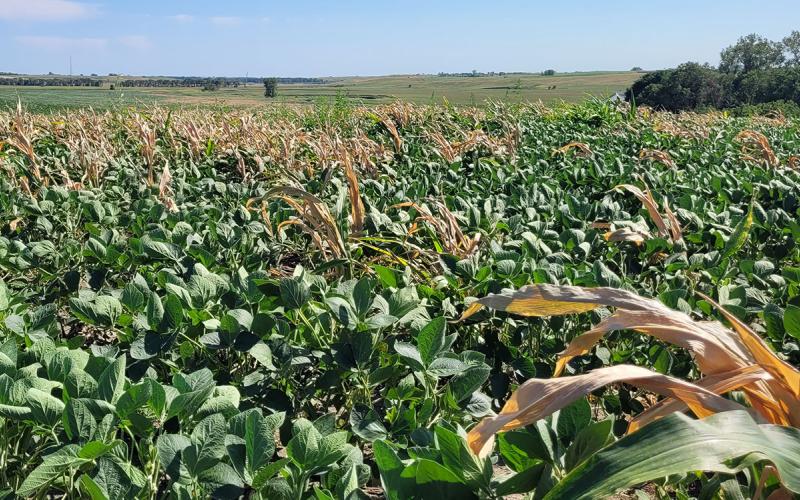
Stalk Grazing to Combat Volunteer Corn
Fall aftermath grazing by livestock, particularly cows, can dramatically reduce the amount of volunteer corn in the field. Learn some key benefits that stalk grazing can bring to your operation.

Can Pork Producers Rely on Antibiotic-Use-Based Product Differentiation To Be Competitive?
Do consumers prefer meat produced with the minimal use of antibiotics compared to meat produced with standard antibiotic use? The following study investigates this question in-depth for South Dakota pork producers.