Content by SDSU Extension
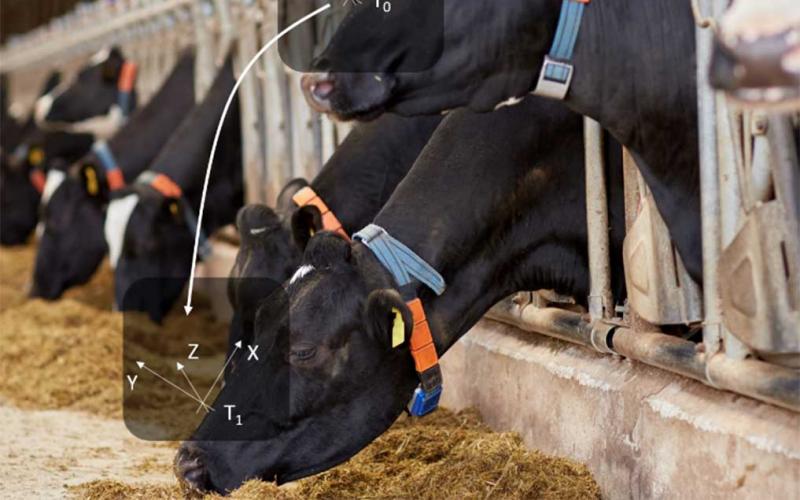
New Sensor Technology to Estimate Feed Intake in Lactating Dairy Cows
The use of sensor technology to advance the field of precision livestock farming is becoming more predominant in modernized dairy farms.

South Dakota 4-H Launches Teens for Jeans Service Project
January 27, 2020
South Dakota 4-H has launched Teens for Jeans, the 2019-20 statewide community service project.

Benefits of Walking
Walking is inexpensive, safe, easy, and a great way to get the physical activity needed to obtain health benefits.

South Dakota State 4-H Ambassadors Attend National 4-H Youth Agri-Science Summit
January 24, 2020
Hands-on learning experience prepared youth to develop an action plan to address local agri-science challenges.
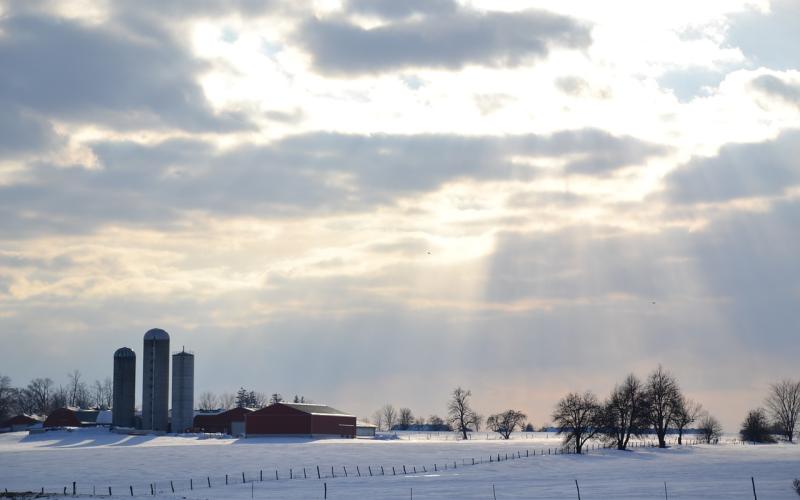
Preparing for Calving Season
Whether the calving season will start soon or is a few months away, it’s never a bad time to start preparing for the arrival of fresh calves on the ground. Here are some things to consider prior to the beginning of calving.

Brain Breaks in the Classroom
Do your students struggle with behavior or staying on task? Boost your classroom productivity with Brain Breaks!

Weightlifting for Beginners
Resistance training or weightlifting is one of the four components of fitness. It can be scary to start resistance training if you have never lifted weights before, but these tips and tricks will set you on the right path for the weight floor!
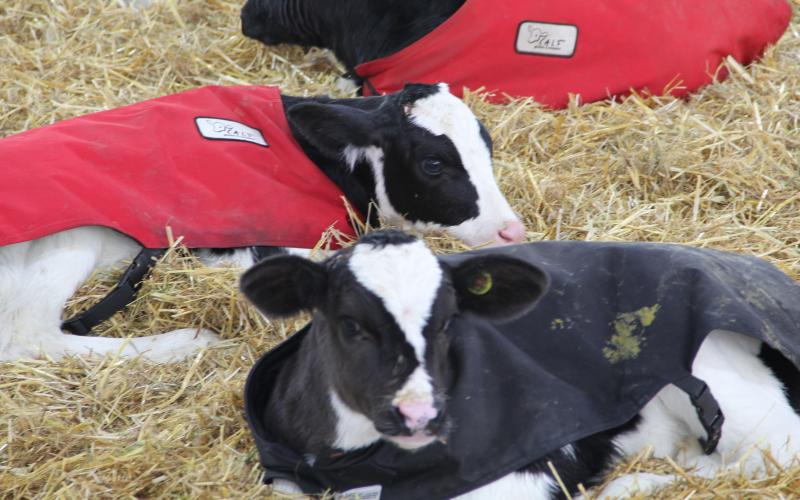
Managing Un-Weaned Dairy Calves During Cold Weather
Winter can present extra challenges for dairy producers and heifer growers as they try to keep calves alive and growing adequately in frigid temperatures.
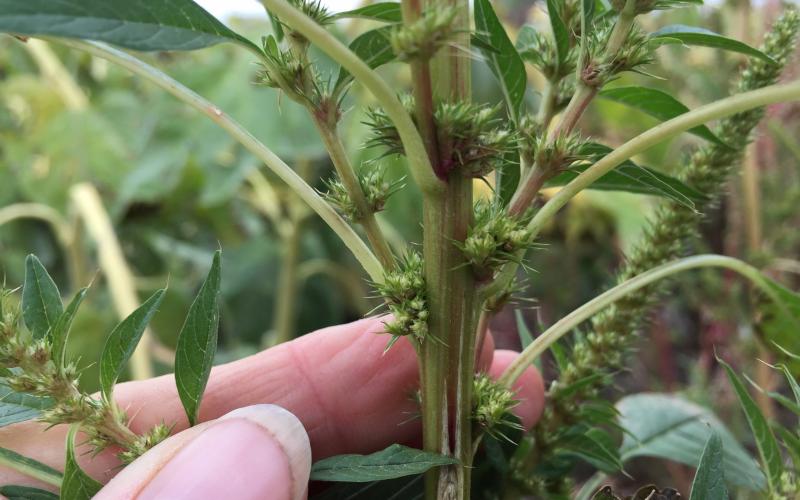
Identification and Management of Palmer Amaranth in South Dakota
Guide for the identification and management of Palmer Amaranth in South Dakota
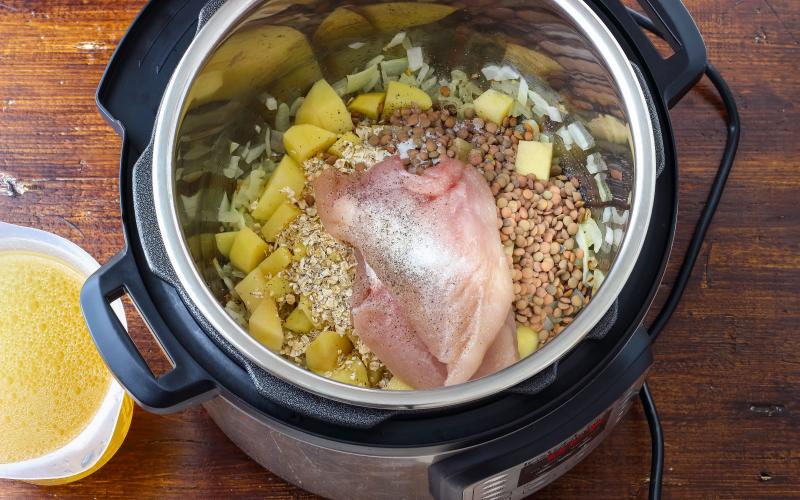
Instant Pot 101
Pressure cooking is a popular cooking option as it cooks and tenderizes food quickly. The Instant Pot works by quickly heating contents of the sealed pot, resulting in a buildup of steam and pressure.