Content by Kim Ricardo

Grazing Corn Stalks to Combat Volunteer Corn Following Drought Periods
The incidence of volunteer corn in subsequent crops tends to be greater following periods of drought. Utilizing livestock to graze corn residue following harvest is a strategic management practice to reduce volunteer corn in the following crop.
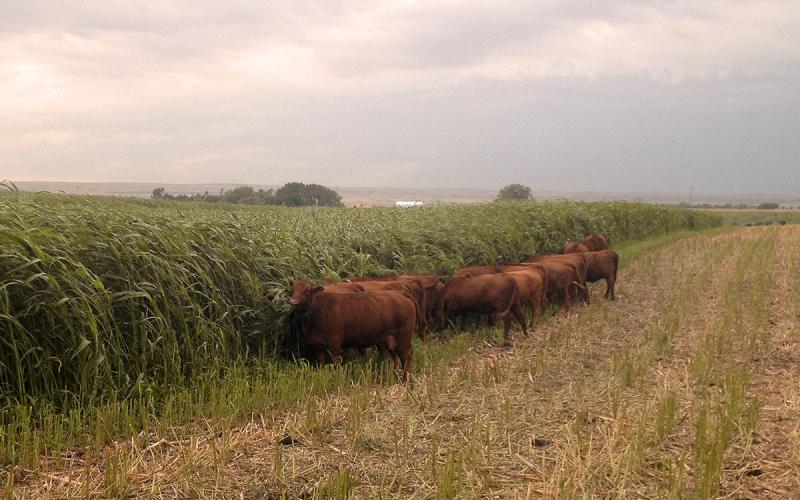
Managing Prussic Acid Risk Following Drought
Drought creates several challenges for ranchers, from reduced forage availability to declining pasture quality. It can also create concerns about forage toxicity issues resulting from excess nitrate and prussic acid accumulation.
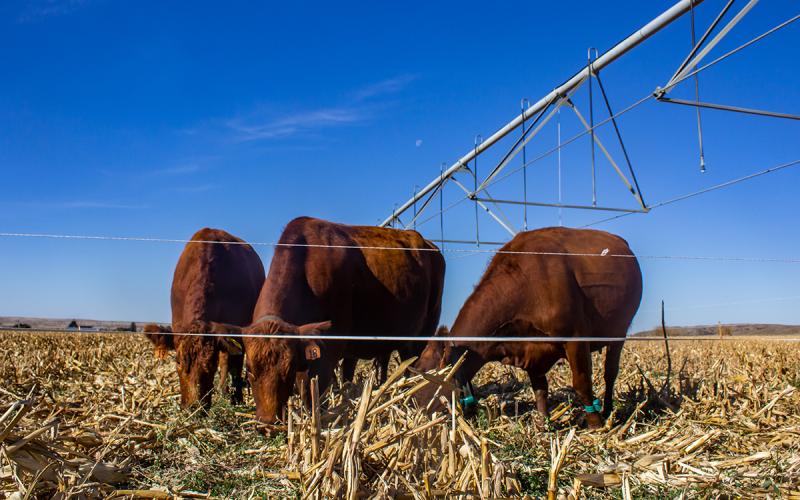
Grazing Corn Residue: Connecting Crops, Cattle, and Soil
As corn harvest wraps up, remember that the value of the crop doesn’t have to end when the grain leaves the field. With intentional grazing management, the post-harvest residue can become part of another production cycle that connects crops, cattle, economics, and soil.
Using Drought-Stressed Corn for Livestock Feed
In this episode of Cattle HQ, Kim Ricardo, SDSU Extension Forage Field Specialist discusses using drought-stressed corn for livestock feed with Sara Bauder, SDSU Extension Forage Field Specialist.
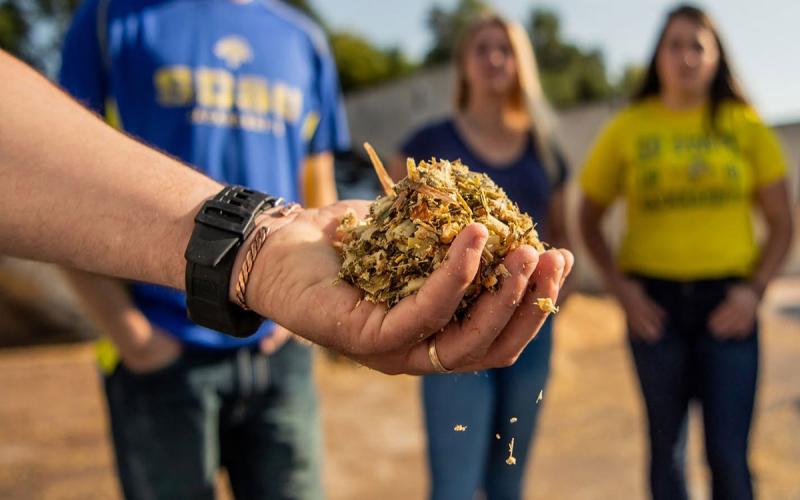
Reminders for a Successful Silage Season
Timing plays a vital role in making quality silage. Moisture, maturity, chop length, kernel processing, packing, and covering all determine how the crop will ferment and how much feed value is preserved.
Balancing Genetics
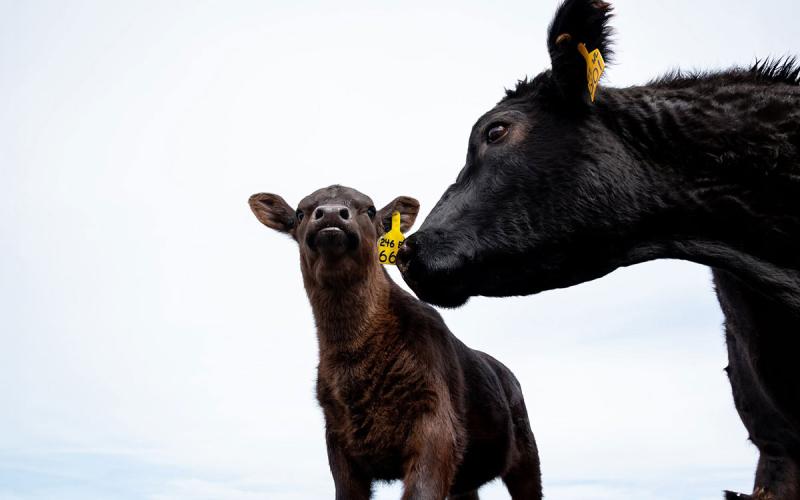
Profitable genetic programs start with a good cow herd, but they should not end there. The ultimate goal is to efficiently produce the right calf, from the right cow, for the right customer.
Forage Production Insurance: Important Changes Ahead for 2027
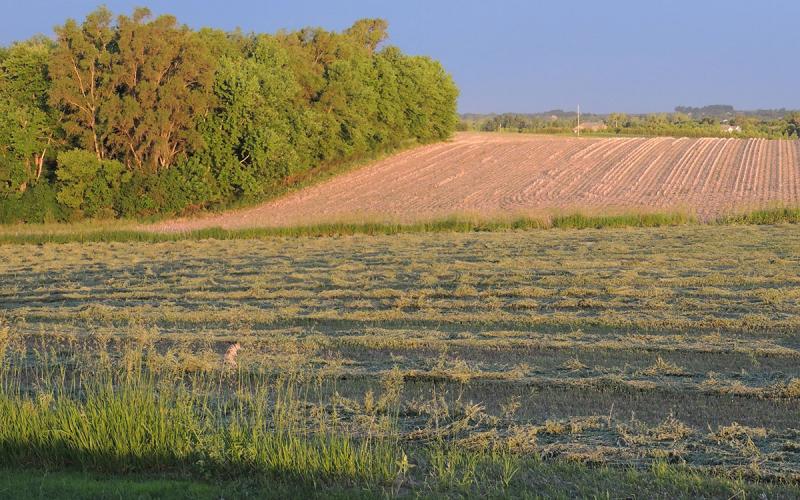
Due to persistent drought conditions and volatile markets, Forage Production Insurance has become an important risk management tool for forage producers who rely on alfalfa and other perennial forages.

Stretching Forage Supplies with Agriculture Byproducts and Crop Residues
For most producers across the Plains, forage supplies are looking limited because of decreased forage production from persistent drought conditions, making now a suitable time to explore alternative feed options.
Forage-Based Heifer Development Systems
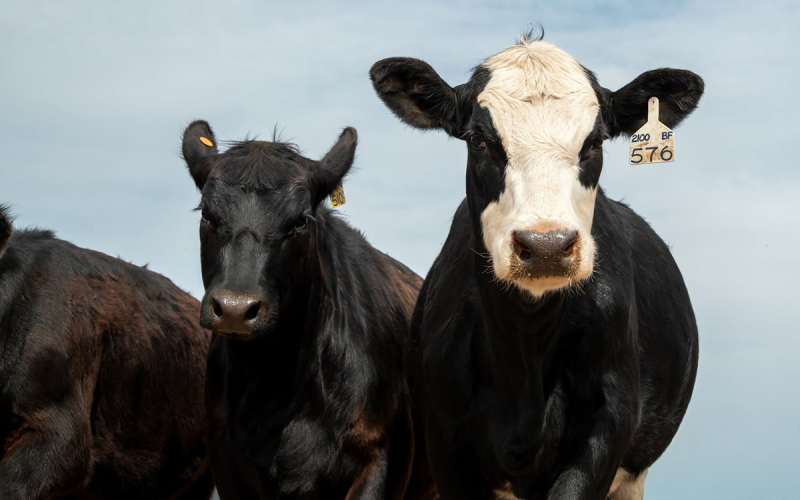
Forage-based heifer development systems offer producers a practical opportunity to reduce input costs while maintaining acceptable reproductive performance. By effectively utilizing available forage resources, heifers can be developed efficiently with reduced reliance on harvested feeds.

Drought Emergency Order Provides Flexibility for Forage Transportation
The recent extension of the State of South Dakota’s Drought Emergency Executive Order will provide livestock producers with flexibility to transport harvested forage. The order allows qualifying producers and commercial haulers to continue transporting oversized loads of baled livestock feed under emergency permitting provisions.