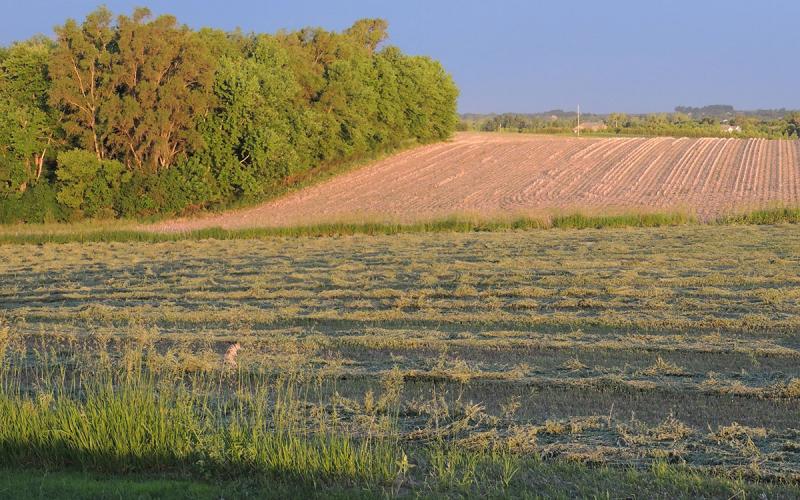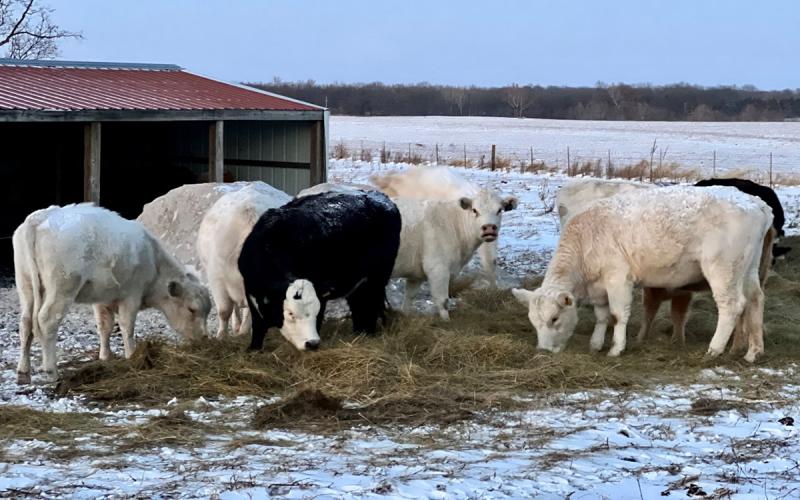
Forage testing is a management tool that both forage and livestock producers should incorporate into their operations. Different classes of livestock have different nutrient requirements, and knowing the quality of the feed being provided allows producers to meet those needs more accurately and cost-effectively. Without a forage analysis, the risk of overfeeding or underfeeding livestock increases substantially, potentially affecting both production costs and animal performance.
Forage testing can also benefit forage producers by providing insight into how management practices and environmental conditions influence forage quality from year to year. Tracking forage quality over time can help identify opportunities to improve production and better meet the needs of livestock.
Forage Test Measures
Forage test results provide producers with a plethora of information, which can be overwhelming at times. Most common measurements and their definitions include:
- Dry Matter (DM) – fraction of remaining feed material once water has been removed
- Crude Protein (CP) – estimate of total protein content
- Acid Detergent Fiber (ADF) – measure of the least digestible portions of a forage
- Neutral Detergent Fiber (NDF) – measure of the total plant fiber or cell wall content
- Relative Feed Value (RFV) – an index of forage digestibility and quality, most accurate for legume-heavy forages
- Relative Forage Quality (RFQ) – an index of forage digestibility and quality that is appropriate for both legumes and mixed-grass forages
- Total Digestible Nutrients (TDN) – An estimate of the energy value of a feed
What Measures Deserve the Most Attention?
The values that warrant the most attention depend on both the forage being evaluated and the class of livestock being fed. While a forage analysis may contain dozens of measurements, only a handful typically drive feeding and management decisions. Rather than trying to interpret every value individually, focus first on the nutrients most likely to influence animal performance.
For most operations, CP and TDN provide the best initial snapshot of forage quality. Protein supports rumen microbial activity, while energy is a large predictor of whether an animal can maintain body condition, grow, reproduce, or produce milk. If either of these nutrients fall below the requirements for that animal, supplementation may be necessary to support performance regardless of forage appearance and yield.
Fiber measurements are the next nutrients to pay closest attention to. Neutral detergent fiber provides an estimate of how much forage an animal is likely to consume while ADF is more closely related to digestibility. Higher ADF generally indicates lower digestibility and less available energy, or in other words, poorer quality forage. Together, NDF and ADF measurements help explain why two hay lots with similar CP concentrations may support very different levels of livestock performance.
Relative feed value and RFQ combine several forage nutrient measurements into a single index. While these values are convenient for comparing hay lots, they should not replace evaluation of individual nutrient concentrations. Relative feed quality is a newer index and generally provides a more accurate estimate of forage quality because it accounts for fiber digestibility, making it particularly useful when comparing mixed-grass forage options. Relative feed value is most accurate when comparing heavy-legume forages such as alfalfa hay and is not a good measure for mixed-grass forages. However, neither RFV nor RFQ should be used alone when balancing rations.
Ultimately, the importance of each measurement is dependent on the livestock being fed. High-producing dairy cows, growing calves, lactating beef cows, dry cows, and replacement heifers all have different nutrient requirements. The same hay that adequately meets the needs of a mature beef cow during mid-gestation may be insufficient for a lactating cow or growing calf.
How the Results Work Together
The most important lesson when interpreting forage test results is that no single measurement tells the whole story. Every value provides one piece of the puzzle and meaningful interpretation comes from considering the relationship between the numbers rather than focusing on any one measurement.
For example, CP often receives the most attention because it is easy to understand. However, forage containing adequate protein may still fail to support livestock performance if digestibility is poor or energy is limiting. Likewise, hay with moderate protein but excellent digestibility may outperform hay with higher protein concentrations because cattle are able to consume more of it and extract more usable nutrients.
Fiber measurements illustrate this relationship well. A forage with relatively low NDF allows greater voluntary intake because it occupies less rumen space. If ADF is also low, a larger proportion of the forage is digestible, increasing the amount of energy available to the livestock. Conversely, when both NDF and ADF are high, livestock typically consume less feed, digest smaller proportion of that feed, and receive fewer nutrients overall. These relationships explain why mature, weather hay often has lower feeding value than leafy, vegetative forage harvested earlier in the season.
Comparing forages demonstrates why evaluating multiple values together is important. Imagine two grass hay samples that each contain 10% CP. At first glance, they appear similar. However, one sample has a TDN of 60%, an NDF value of 55%, and an ADF value of 34% while the other has a TDN of 50%, an NDF of 68%, and an ADF of 44%. Although protein is identical, the first hay is likely to support greater intake and provide substantially more usable energy than the second. Looking only at CP would overlook these important differences.
Putting the Test to Use
A forage test is only valuable if it influences management decisions. The primary goal is to match forage quality with the nutrient requirements of the livestock being fed. Feeding high-quality hay to animals with relatively low nutrient demands may unnecessarily increase feed costs. Conversely, providing low-quality forage to livestock with higher nutrient requirements can reduce performance and increase supplementation costs.
One of the simplest and most effective ways to utilize forage test results is to sort hay lots according to quality and reserve the highest-quality forage for animals with the greatest nutrient demands. Lactating beef cows, replacement heifers, and growing calves typically require greater concentrations of energy and protein than dry, mid-gestation cows. Lower-quality forage, on the other hand, may be a cost-effective option for mature cattle with modest nutrient requirements when appropriate supplementation is provided.
Forage analyses can also help determine whether supplementation is necessary and which type of supplement is most appropriate. For example, if crude protein is adequate but TDN is low, an energy supplement may provide greater benefit than additional protein. Evaluating forage quality before purchasing supplements allows producers to address actual nutrient deficiencies instead of relying on assumptions or routine feeding practices.
Beyond the current feeding season, forage tests provide valuable long-term information. Maintaining forage test records over multiple years allows producers to evaluate how harvest timing, weather conditions, fertility programs, forage species, and storage practices affect forage quality. Identifying these trends can lead to improved management decisions, greater forage quality, and enhanced livestock performance over time.
Conclusion
A forage analysis provides far more than a list of laboratory values; it offers valuable information that can guide feeding and management decisions. By understanding how key measurements work together, producers can more effectively match forage resources to the nutritional needs of their livestock. Taking the time to interpret forage test results can improve feeding efficiency, reduce unnecessary supplementation costs, and support better animal health and performance. When used as part of an overall nutrition program, forage testing is one of the most practical and cost-effective tools available for making informed management decisions.
Producers with questions about interpreting forage test results or balancing rations should consult their local SDSU Extension educator, nutritionist, or veterinarian to ensure feeding programs meet livestock nutrient requirements while making the most efficient use of available forage resources. Visit the Our Experts page to find an expert near you.