Content by Philip Rozeboom

Critical Period of Weed Control: A good, but not perfect guideline
The critical period of weed control is the period during a crop lifecycle when weeds need to be managed to avoid a significant yield loss.
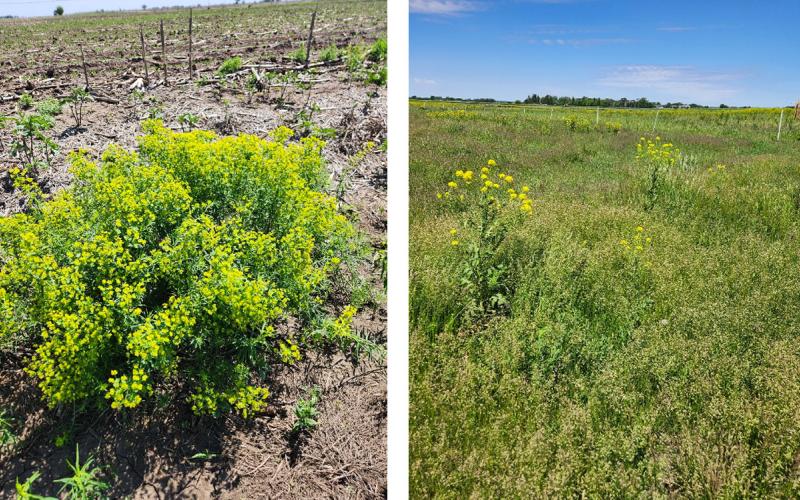
Leafy Spurge or an Imposter?
Leafy spurge is a statewide noxious weed that can be difficult to manage. However, are the recent yellow flowers appearing throughout South Dakota landscapes leafy spurge or another species?
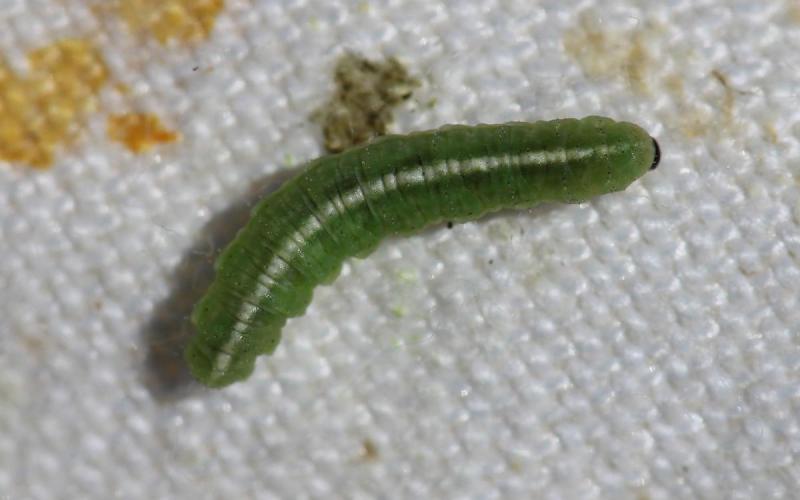
Alfalfa Weevil Activity Prediction Update: May 29, 2024
Most alfalfa weevil larvae that were observed this week were between the first and second instar, but it is likely that later instars are present in southern counties.
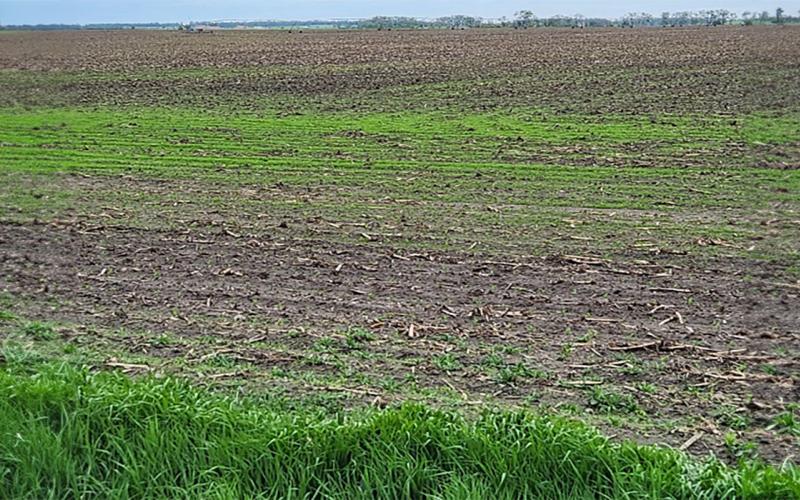
Weeds Are Starting to Emerge: Even After a Preemergence Herbicide Application
During recent scouting, weeds were noticed in plots treated with preemergence herbicides. Learn some troubleshooting considerations to help determine why some weeds emerge following preemergence treatments.

Common Stalk Borer Activity Estimate: May 24, 2024
Throughout South Dakota, common stalk borer caterpillars are still active in alternative weed and grass hosts.
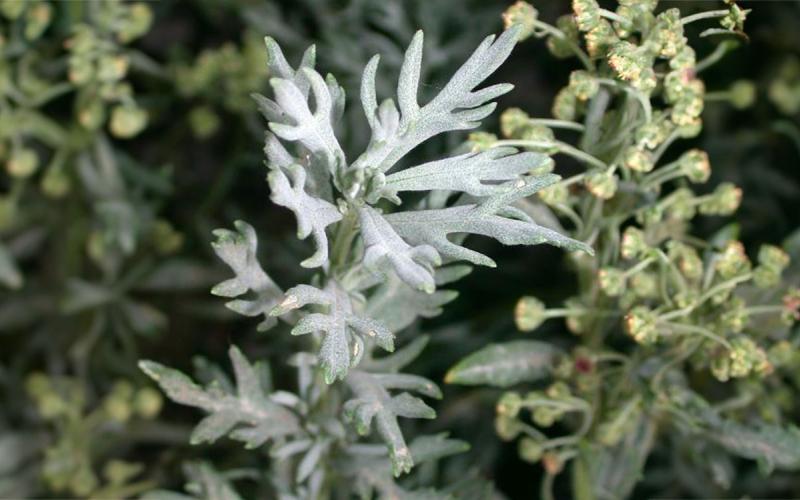
Absinth Wormwood Control in the Spring
Absinth wormwood is a difficult-to-control, noxious weed that can produce great amounts of seed (50,000 seeds per-stem) and spreads only by seed, illustrating the importance of management prior to seed production.
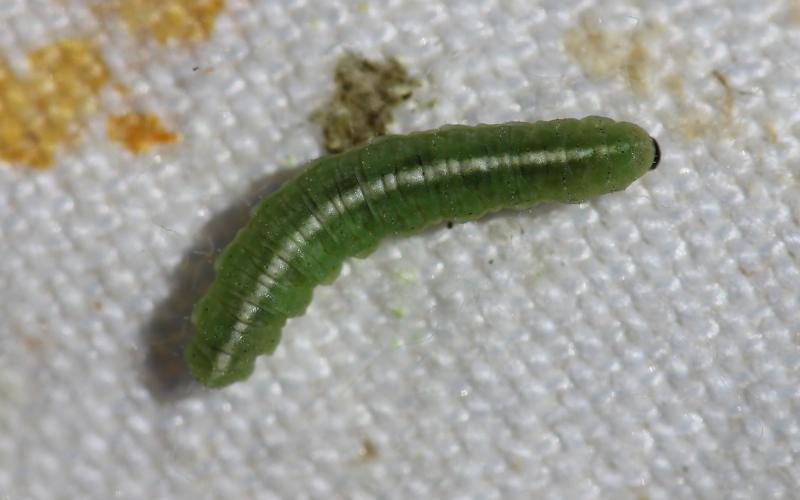
Alfalfa Weevil Activity Prediction Update: May 16, 2024
South Dakota finally warmed up and as a result, alfalfa across the state should be scouted for alfalfa weevil larvae.
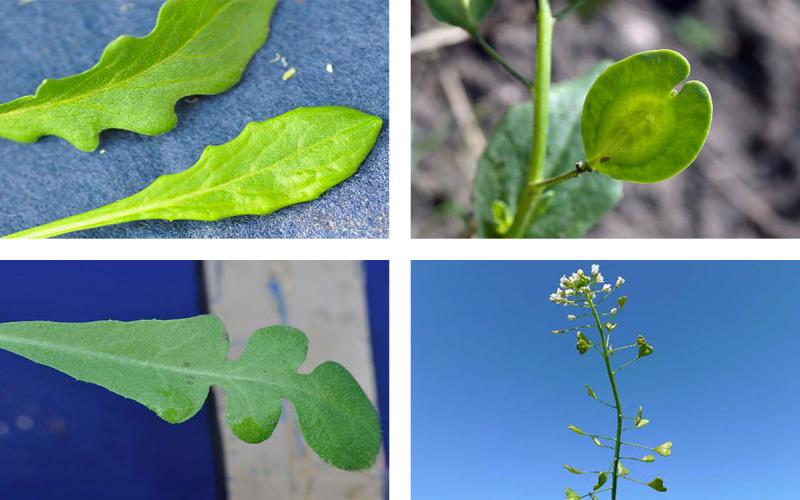
Early Season Prevalence of Field Pennycress and Shepherd’s Purse
Many fields that are planted to winter wheat or have yet to be tilled may have a healthy infestation of field pennycress or shepherd’s purse. Learn some expert tips for identifying and managing these weeds before they become a problem this growing season.
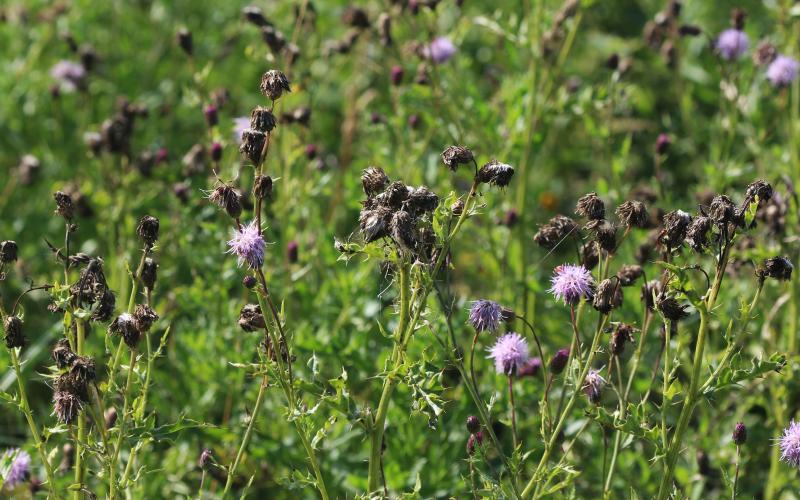
Current State of Noxious Weed Management in South Dakota
Results of an online survey to determine how South Dakota stakeholders are currently managing noxious weeds.
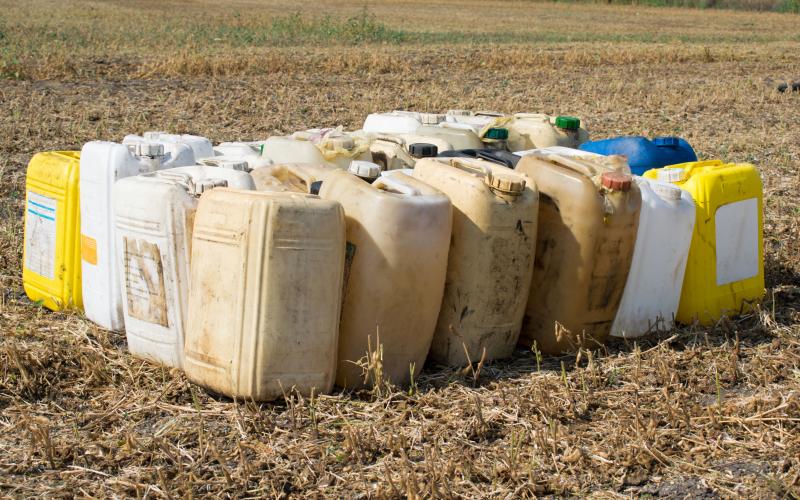
Herbicide Group Classification
The intent of providing herbicide group numbers and mode/site-of-action information on labels is to help develop herbicide plans that reduce the selection pressure on herbicide-resistant weeds. Learn how understanding this information can help improve your plans.