Content by Connie Tande
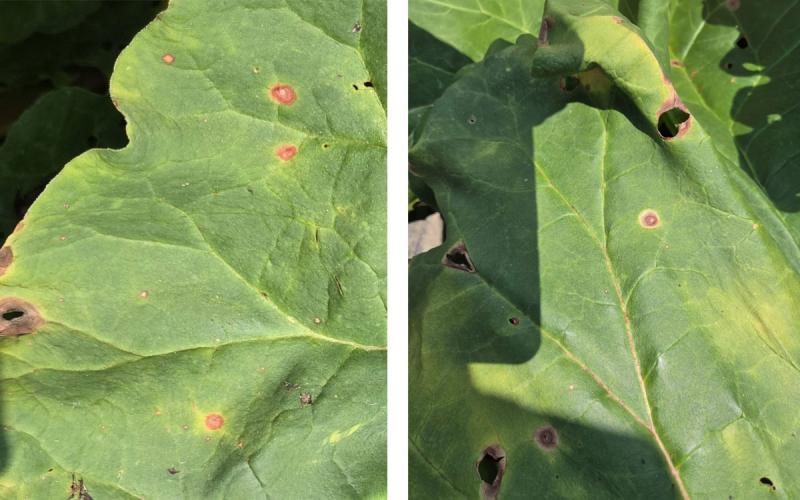
Leaf Spot Diseases of Rhubarb in South Dakota
In South Dakota, rhubarb is generally hardy, but it can develop several diseases that, when left unmanaged, cause severe damage and decline of plants. Leaf spots caused by the fungi Ascochyta rhei and Ramularia rhei are the most-common diseases we observe.
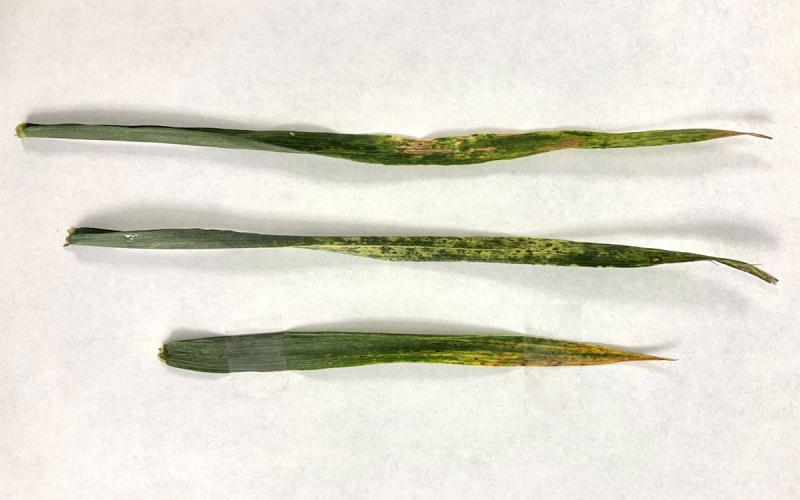
Secondary Wheat Diseases: Alternaria Species Detected
In wheat observed this summer, the Alternaria species, a group of secondary fungal pathogens were identified in samples collected east of the Missouri river. This pathogen is infectious on its own and can cause Alternaria leaf spot disease.
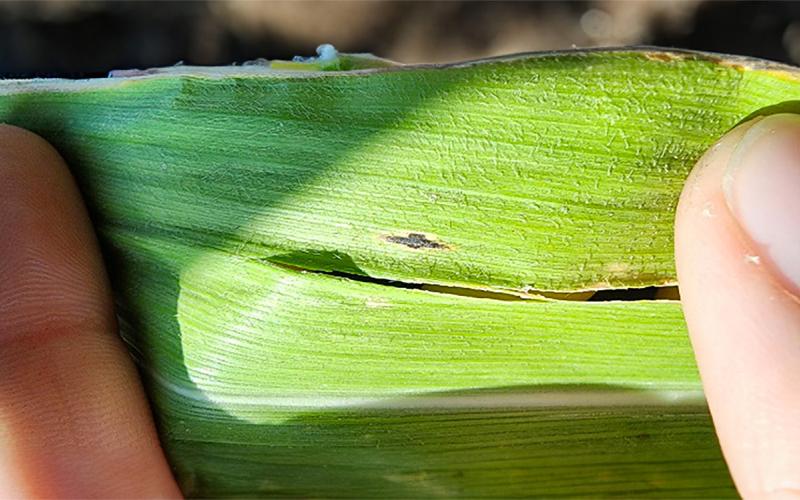
Online Reporting of Crop Diseases for Statewide Monitoring Efforts: How You Can Get Involved
Did you know that you can become involved in disease reporting and monitoring across the state? Thanks to a new tool from the Crop Protection Network, producers, crop consultants, and homeowners can report disease sightings on a variety of crops across the state.
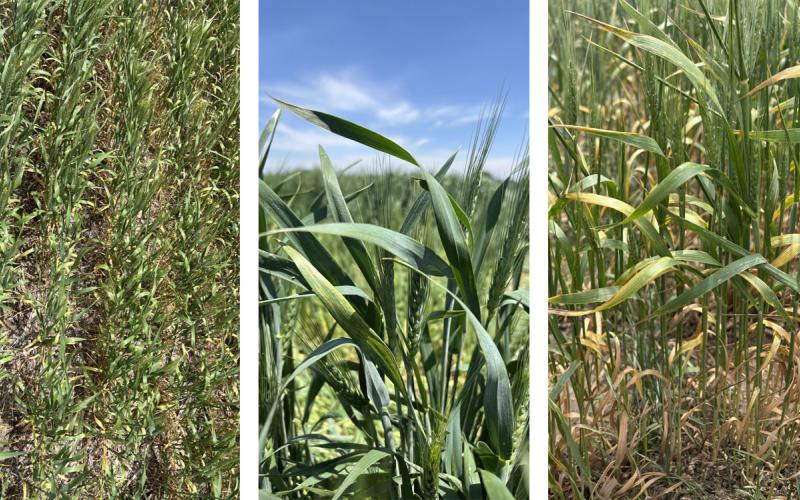
South Dakota Wheat Streak Mosaic Virus Disease: 2026 Update
Wheat streak mosaic virus is on the move across South Dakota wheat fields. Due to the mild winter and overwintering in winter wheat, viral activity has had a jump start in 2026, and the occurrence and intensity of disease pressure is comparable to the 2025 season.
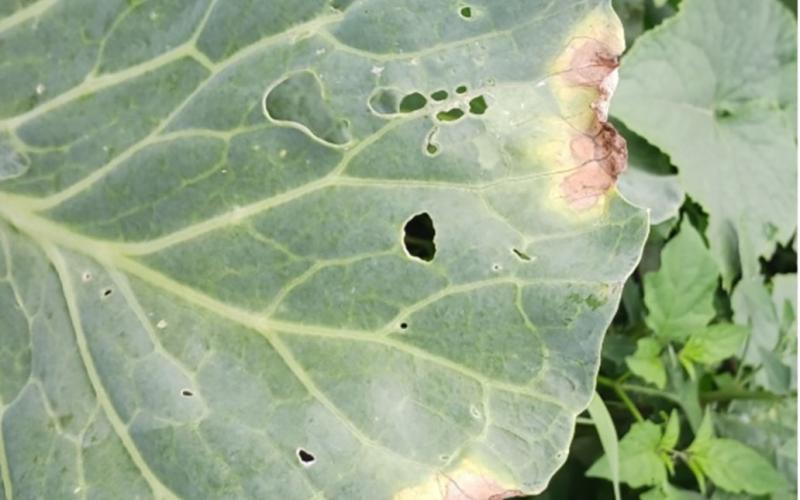
Black Rot of Brassica Crops
Overview and management of Black Rot for Brassica Crops.
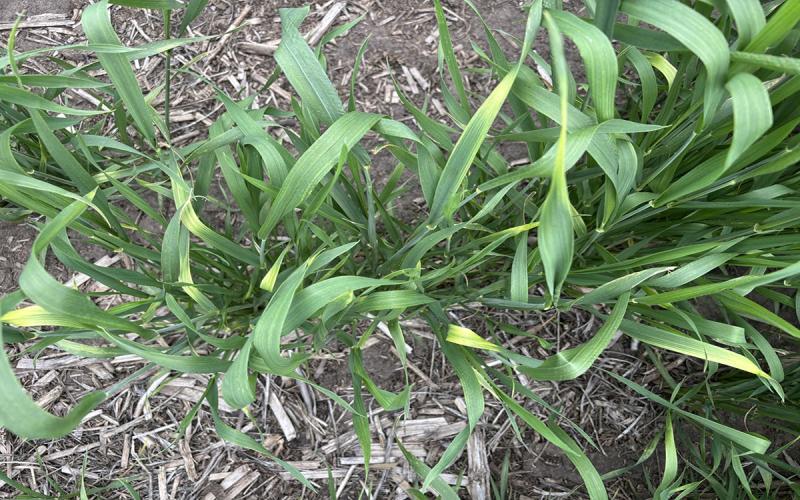
Wheat Streak Mosaic Virus Confirmed in 2026
At the end of April, a winter wheat sample was submitted to the Plant Diagnostic Clinic displaying typical viral symptoms of chlorosis and streaking. Upon testing, this sample was determined to be positive for Wheat Streak Mosaic Virus.
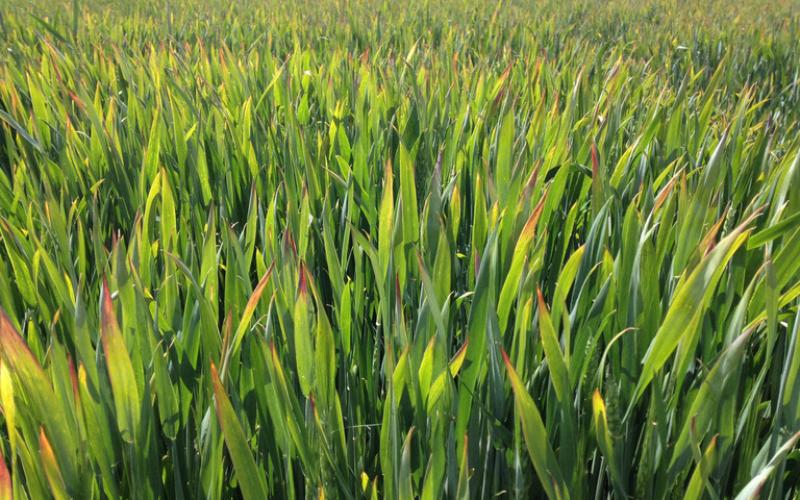
Grass Diseases of South Dakota Identification Guide
Common grass disease identification guide.

Bacterial Ring Rot: Yet another devastating disease of potato
Ring rot is primarily a disease of stored tubers and seed potatoes, where it produces black or brown lines just below the surface of the potato.
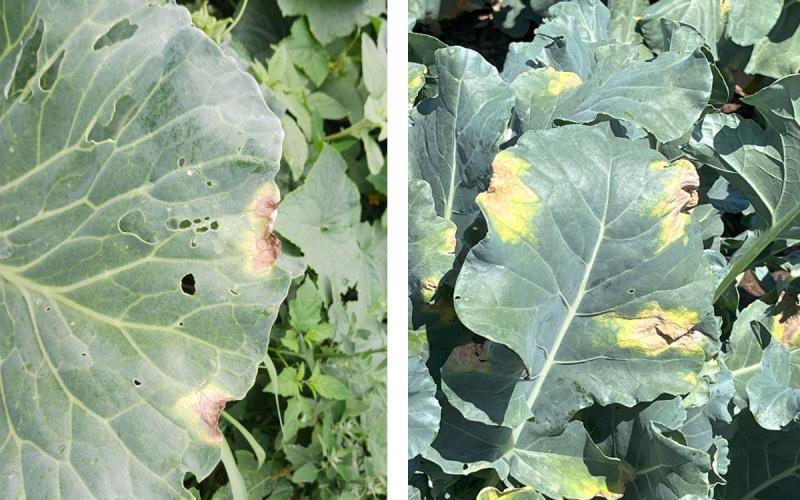
Black Rot of Brassica Crops
Black rot is an uncommon, but devastating bacterial disease in South Dakota that can develop during extended periods of hot and wet weather, leading to rapid and widespread crop loss.
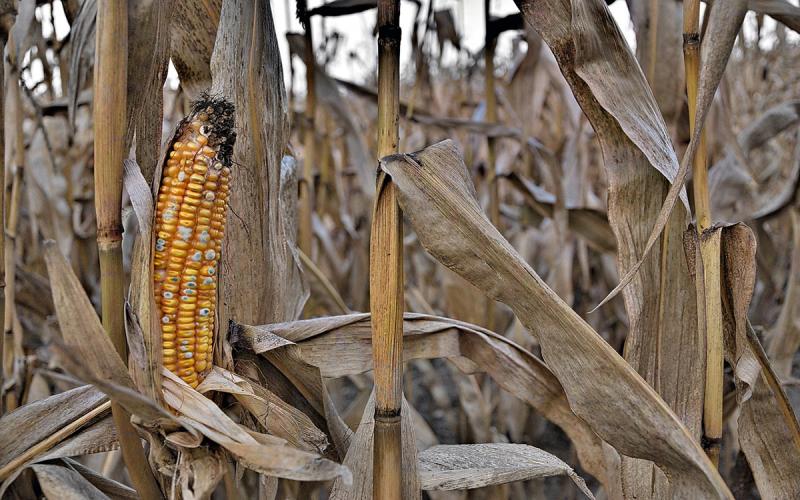
Mycotoxins: Should you be concerned?
Environmental stress caused by the weather or damaged crops increases the potential for mold and mycotoxin development. Learn some answers to common questions about mycotoxins and how to manage them.