Content by Russ Daly
Johne’s Disease Management: Preventing Manure Contact is Key
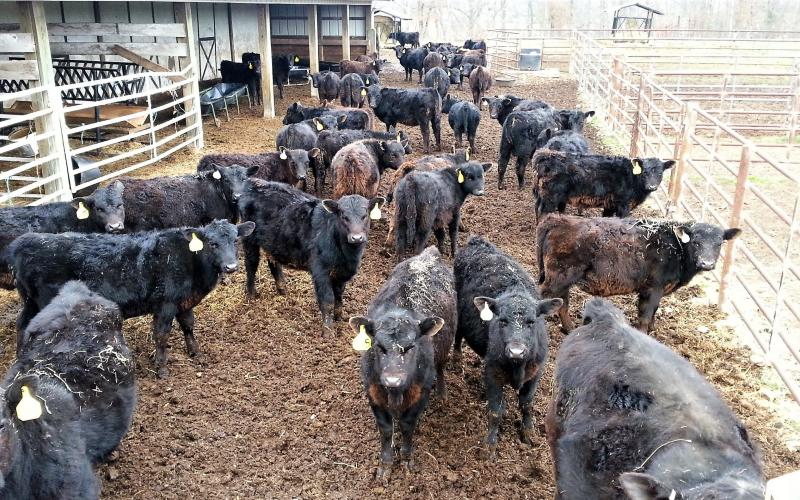
The key to decreasing Johne’s Disease transmission is preventing young stock from coming in contact with manure from potentially infected animals.
Small Ruminant Abortions: Cleanup and facility considerations
Sheep and goat producers in the upper Midwest rely on annual lamb or kid crops to maintain economic viability. Reduction in the lamb or kid crop due to abortion (premature birth) and stillbirths are a common occurrence on many farms. Some of these problems have implications for human health as well as animal health.
Can You “Make” a Cow Deliver Better Colostrum?
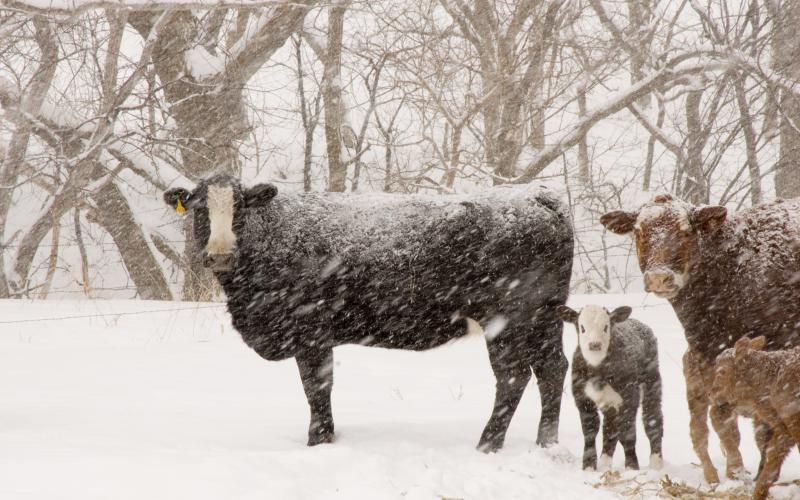
Cattle producers and veterinarians are aware of the large body of evidence clearly pointing to the benefits of colostrum for baby calves. As such, much attention has been given to the “intake side” of the equation (the calf’s side): how to ensure a calf consumes an adequate amount of high-quality colostrum.
Where Do the Sharps Go?
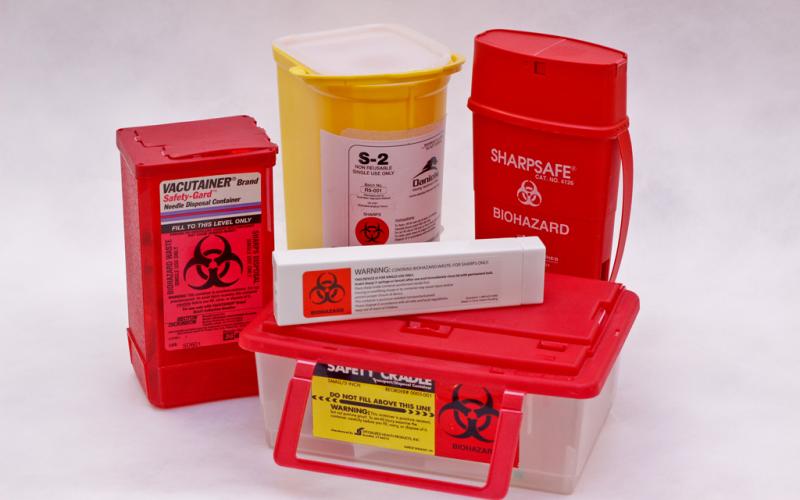
Sharps used in livestock husbandry practices are considered medical or infectious waste. Regardless of why an animal received a shot, it is important to dispose of the needle in a safe way.
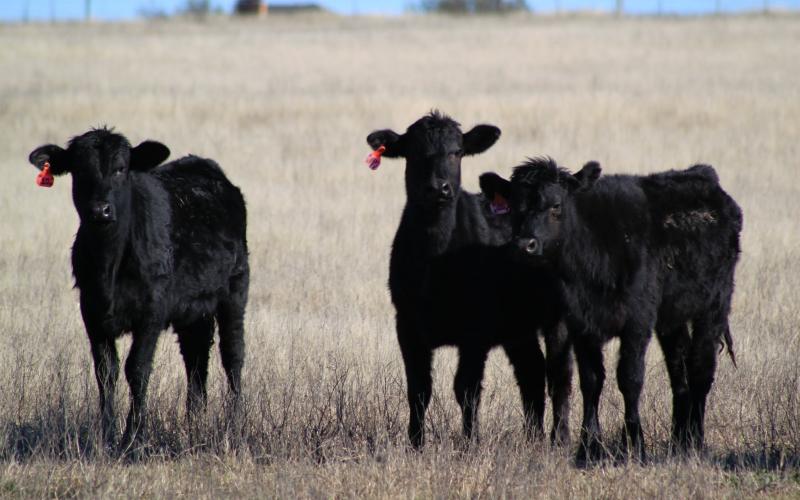
Springtime Vaccines: Tools For Healthy Summer Calves
Vaccines can be a valuable tool for cattle producers looking to help keep their calves healthy on summer pasture.
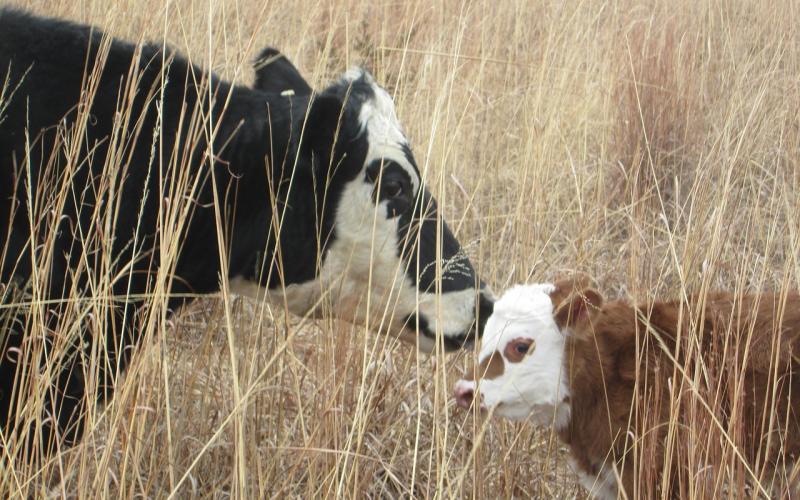
Preparing the Beef Calf for Weaning
One fact on which cattlemen, veterinarians, and animal scientists can agree is that of all the events in most calves’ lives, weaning is the most stressful of them all. If a calf can weather this stress unscathed, they have cleared a major hurdle to a productive future in the feedlot or as a replacement in the breeding herd.
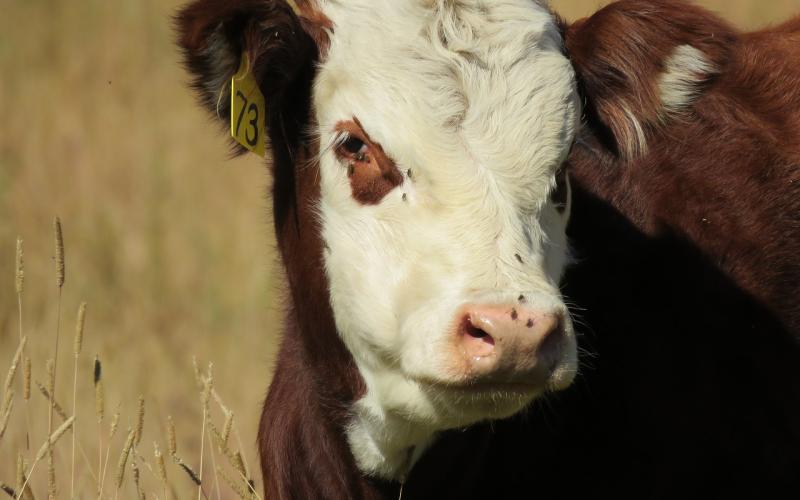
The Different Sides of Pinkeye Treatment
Pinkeye (or infectious keratoconjunctivitis) is a scourge that most cattle operations will deal with at some point. Regardless of the type of cattle affected or time of year, prevention always beats treatment.
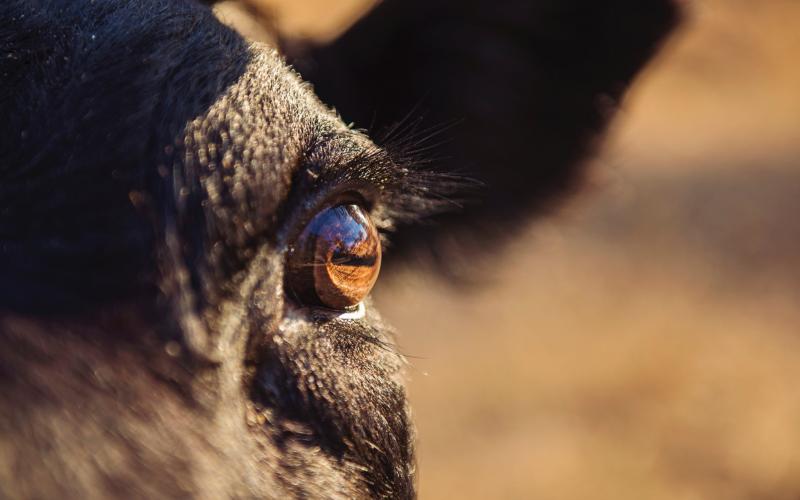
Anthrax: Vaccination Considerations
Anthrax is caused by bacteria, Bacillus anthracis, which has the ability to form very resistant spores in the soil. These spores can remain viable for many years on pasture, and become reactivated when the right environmental conditions exist. Fortunately for cattle producers, losses due to anthrax can be prevented through use of a vaccine that has proven its effectiveness through the years.
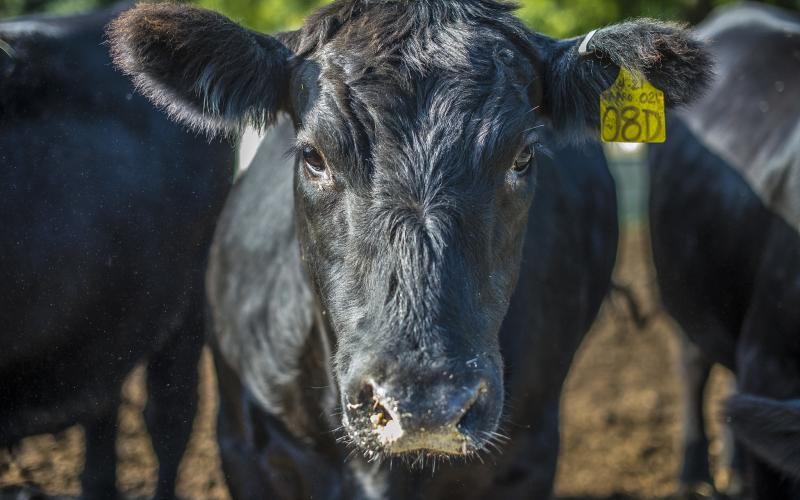
Foot Problems in the Feedlot
While we usually think of foot problems in feedlot calves occurring in conjunction with warm, muddy conditions, wintertime also brings a certain set of conditions that can create lameness in these animals.