Content by Russ Daly
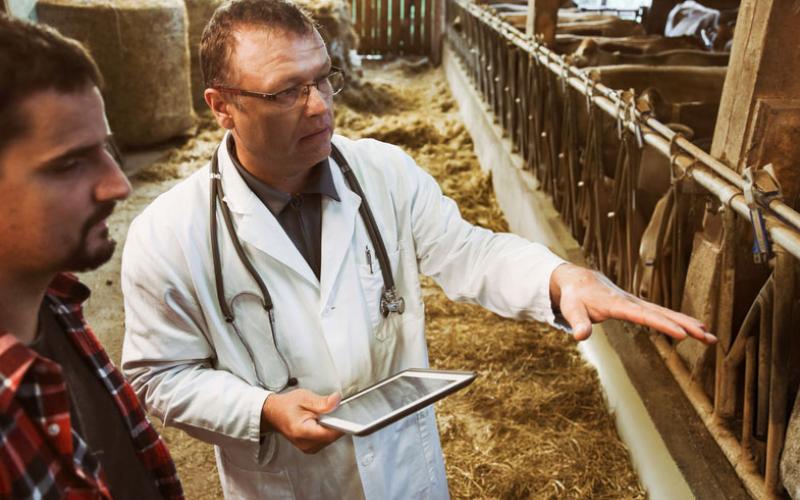
Bangs Vaccine and Talking to Your Veterinarian
As spring arrives, many cattlemen have selected their replacement heifers for breeding and should be considering pre-breeding and brucellosis vaccination in their replacement females as soon as possible to set them up for a successful breeding season.
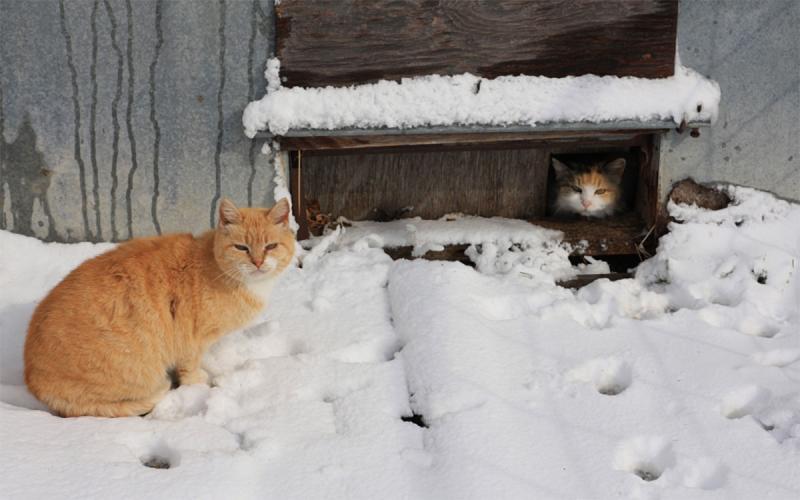
Cat Death Losses Due to Highly Pathogenic Avian Influenza in South Dakota
Veterinarians and laboratory diagnosticians are fielding reports of death losses in cat populations linked to avian influenza infections.
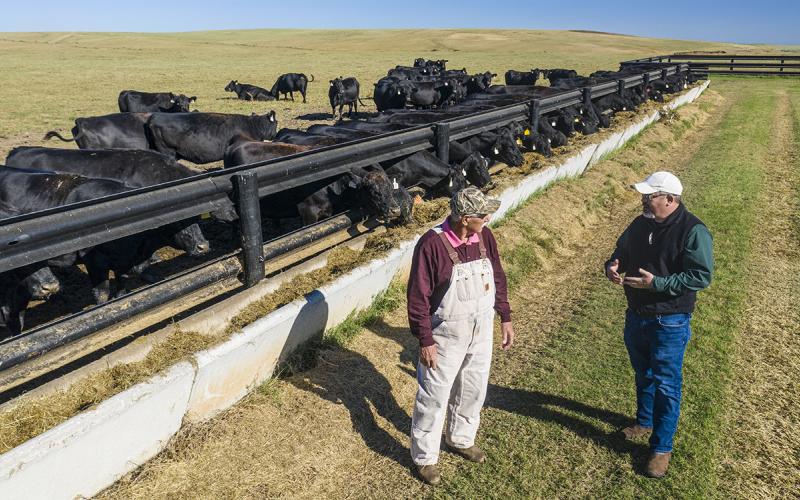
Salt Toxicity: Water Deprivation
Salt toxicity is a result of either a high concentration of salt in a diet or water deprivation. Learn how to recognize its symptoms and work with your veterinarian to prevent it from impacting your animals.
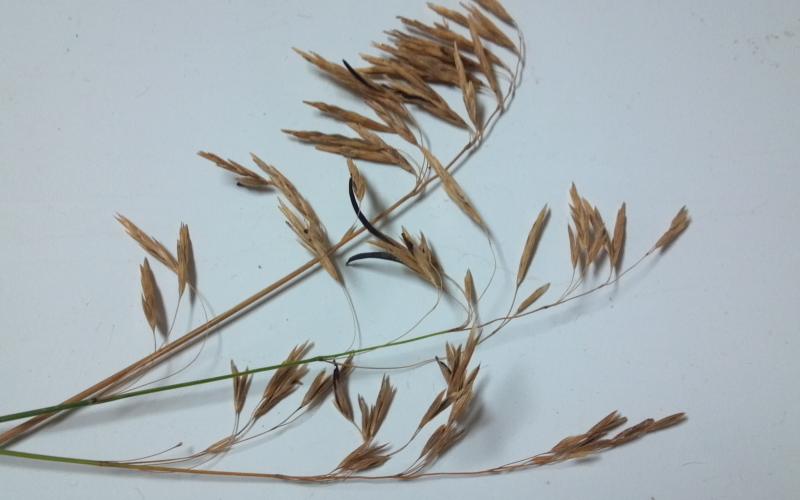
Ergot: A Potential Livestock Poisoning Problem
Cool, damp weather followed by warmer temperatures favors grasses becoming infected with ergot bodies, which can cause a certain kind of poisoning that can affect cattle on pasture.
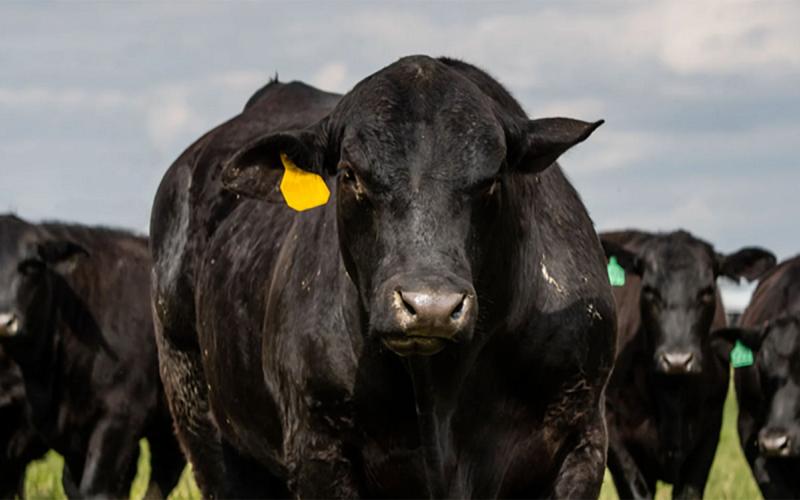
Trichomoniasis: A Tricky Cause of Reproductive Failure in Beef Cattle
Trichomoniasis in cattle is caused by a protozoal organism that lives indefinitely in the sheath of infected bulls. Once transmitted to a cow or heifer, it causes an inflammation in the female reproductive tract that results in the eventual loss of the pregnancy.
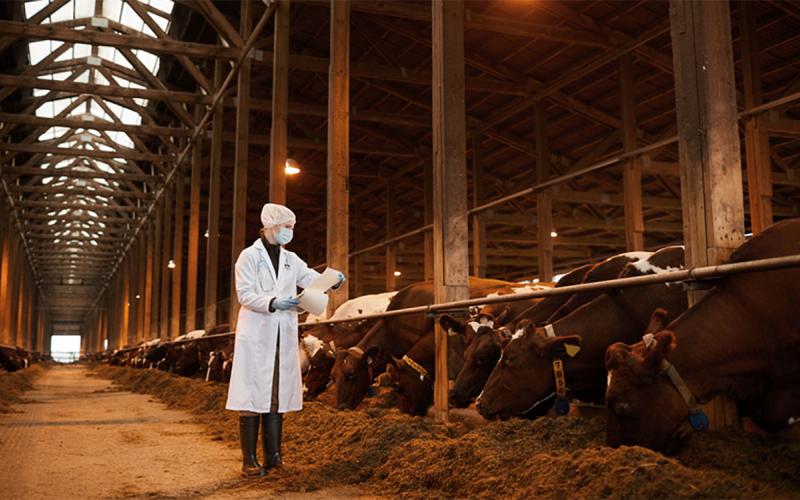
Avian Influenza Viruses in Dairy Cows: What is the role of biosecurity?
The recent finding of an avian influenza virus in dairy cows suffering from a previously unknown disease syndrome has brought attention to disease control and detection methods on dairy operations.
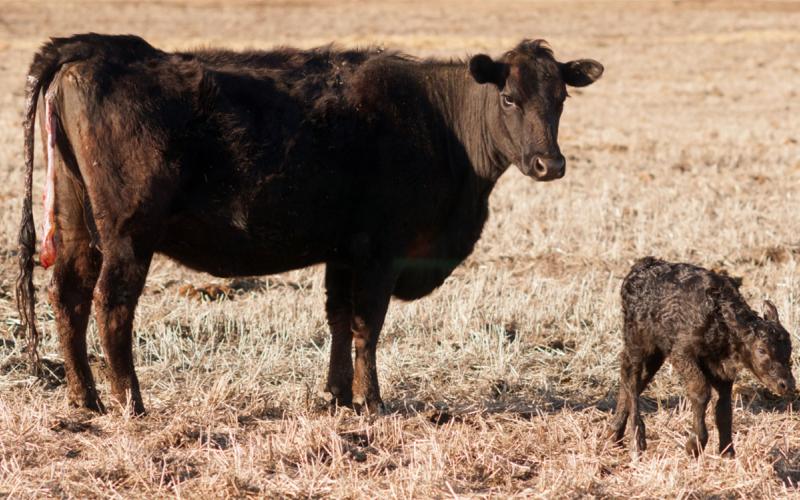
Calf Health Following Calving
Considering calf health following calving is a number one priority for calving season and to better prepare the calf for the rest of its life.
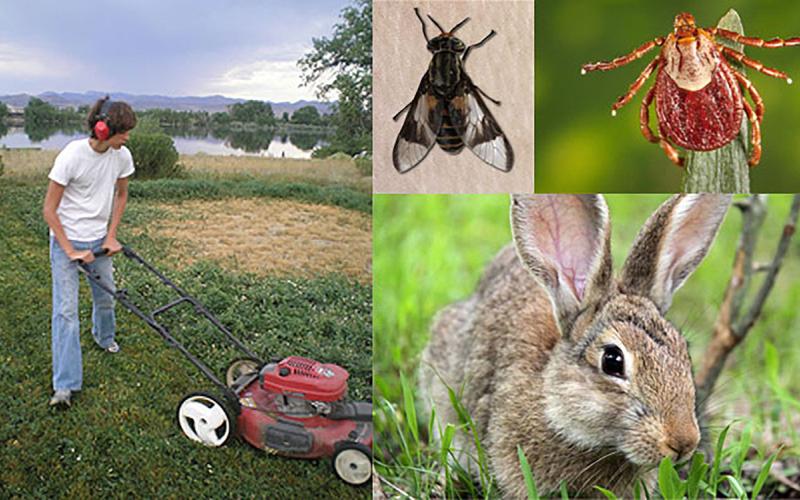
Tularemia in Animals in South Dakota
Tularemia is a relatively rare, but serious, disease that has potential to cause disease in people through their contact with infected animals or insect vectors. Learn how it's transmitted, diagnosed and treated.
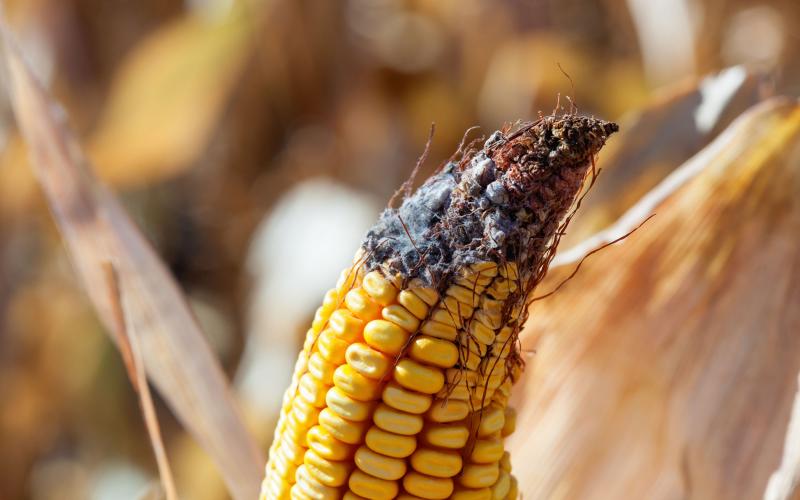
Can Livestock Utilize Moldy Grain?
While livestock producers know that moldy grain and forage are not ideal feedstuffs, they also know that stored feed occasionally contains a small amount of visible mold, and that their animals consume it with no obvious adverse effects. The question arises, how much mold is too much for a feed to be unsuitable for animals?
Veterinarians Remind South Dakota Cattle Producers To Include Anthrax Vaccination This Spring
May 23, 2022
SDSU Extension and South Dakota Animal Industry Board veterinarians are encouraging South Dakota cattle producers to include the anthrax vaccine in their vaccination program when they turn out cattle to summer pastures this spring.