Oilseed
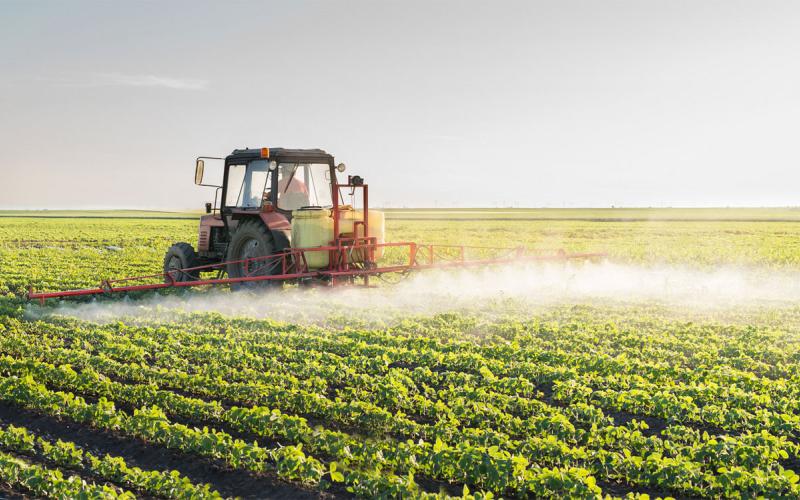
Current State of Row Crop Weed Management in South Dakota
Results of an online survey to determine how South Dakota stakeholders are currently managing row crop weeds.
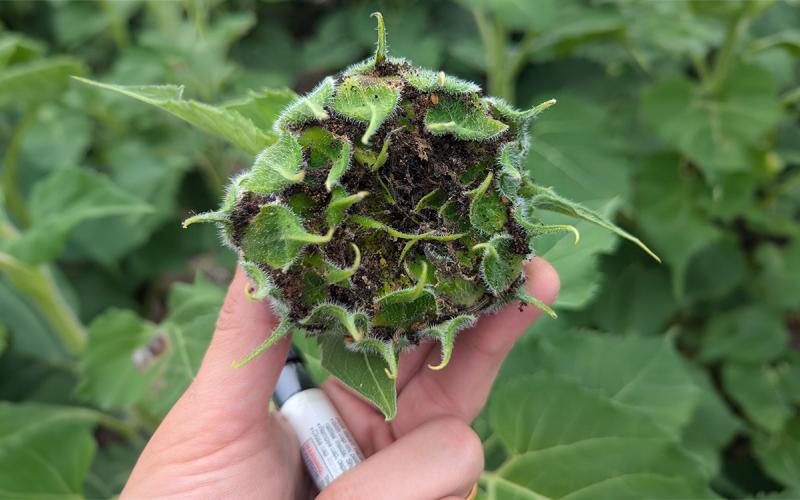
Sunflower Moths Causing Problems
While scouting late-planted sunflowers two weeks ago, there were increased observations of sunflower moth caterpillars in the heads that were later than the rest of the field. Sunflower moths are best managed as moths or early instar larvae.
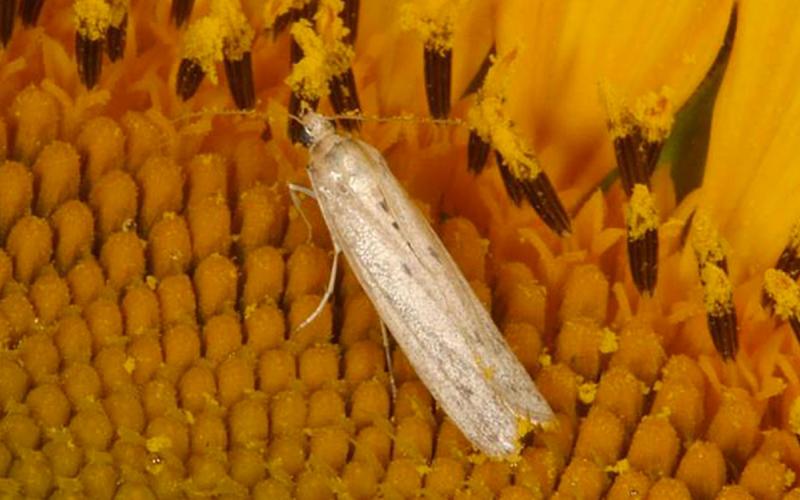
Sunflower Moths Observed in South Dakota
Sunflower moths have been observed in South Dakota sunflower fields this week. Sunflower heads are most susceptible to damage caused by the sunflower moth caterpillars from the onset of flowering to when the ray petals begin drying.
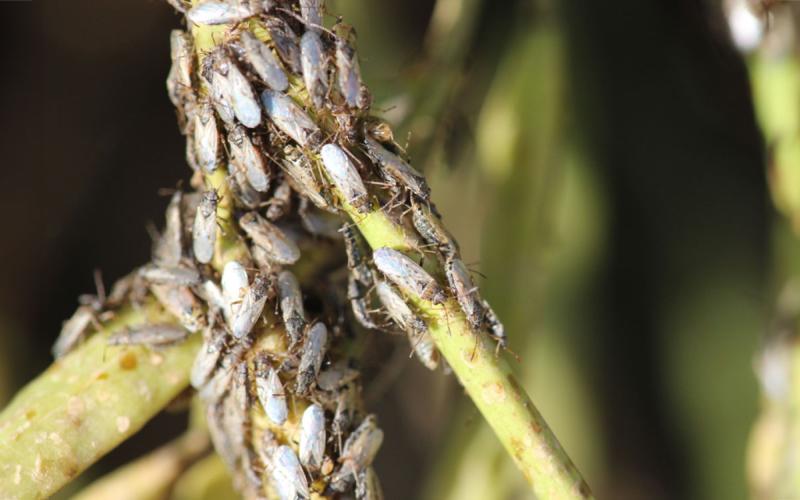
Wet Spring Brings Surge of False Chinch Bugs
Within the past week, large populations of false chinch bugs have been reported across western South Dakota. In high numbers, these pests can pose a threat to Brassica plants.
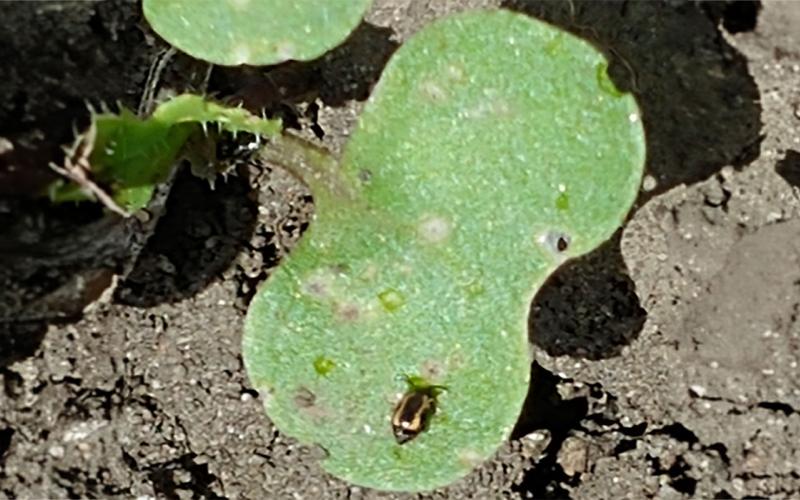
Don’t Forget to Scout Canola for Flea Beetles
Canola emergence is well underway and ahead of emergence at this time in 2023. There are three species of flea beetles that commonly infest canola and feed on the leaves.
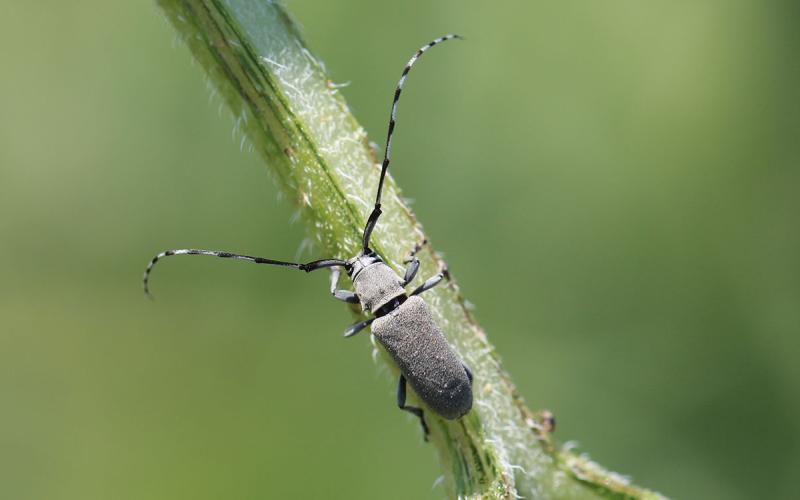
Another Year of Dectes Stem Borer Issues in Sunflower?
Based on the current drought conditions in our sunflower production areas, it is likely that Dectes stem borer will cause issues earlier than normal in the areas experiencing drought.
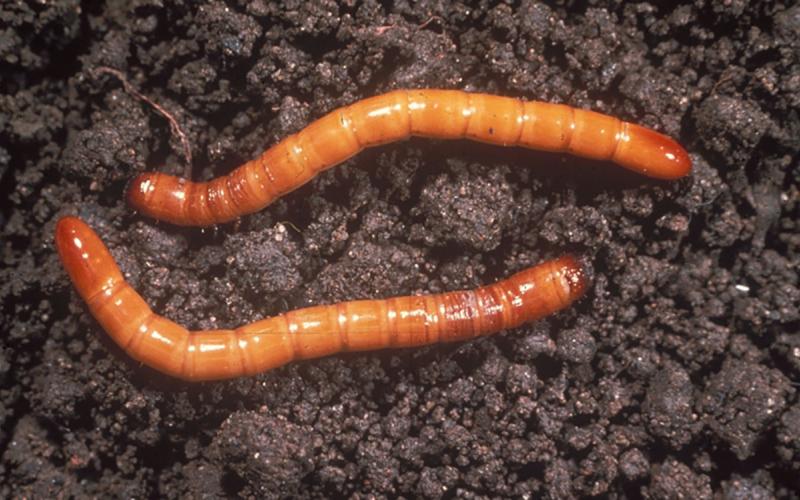
Wireworms Causing Problems in South Dakota Sunflowers
Some sunflowers in South Dakota are currently being attacked by wireworms. Wireworms are the larvae of click beetles, which are easily observed throughout the summer.
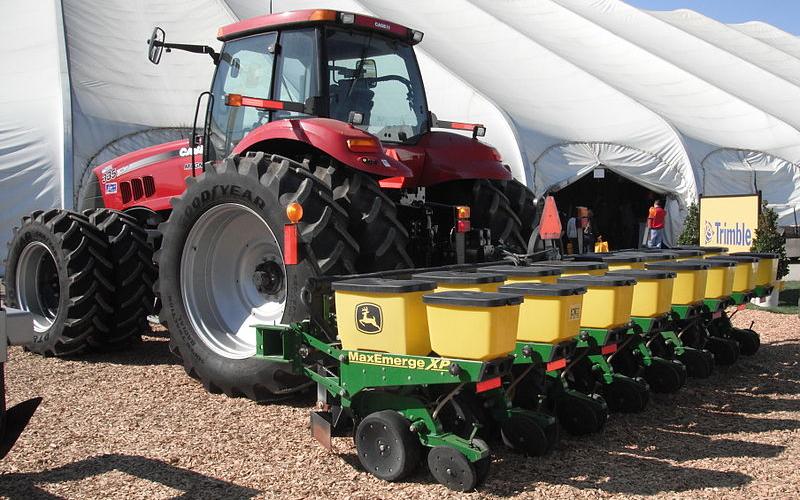
Why Precision Agriculture?
When precision agriculture comes into a conversation a few questions arise. Three of those questions might be: What is precision agriculture? How does precision agriculture make our farm more profitable? What do I do with all this data?
Crop Tolerance to Soil Herbicide Residual
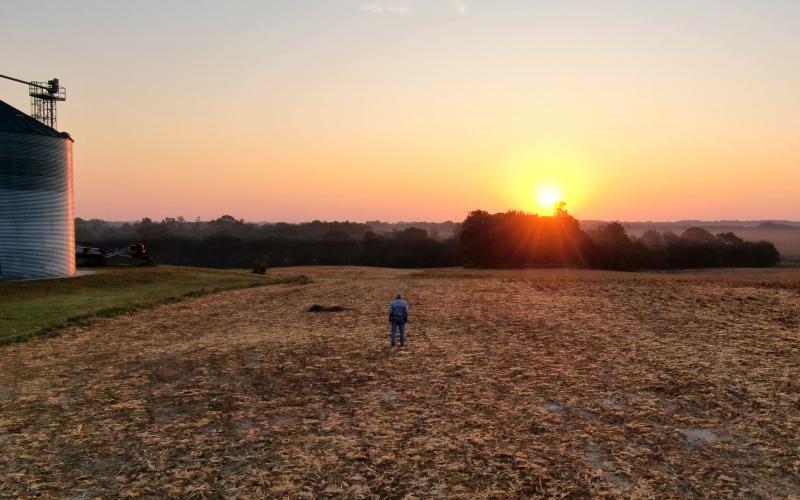
Some herbicides can persist in soil, especially dry soil. Herbicide carryover could be an issue in 2021 across the state depending upon last year’s moisture levels and field conditions.
Spring and Winter Camelina in South Dakota
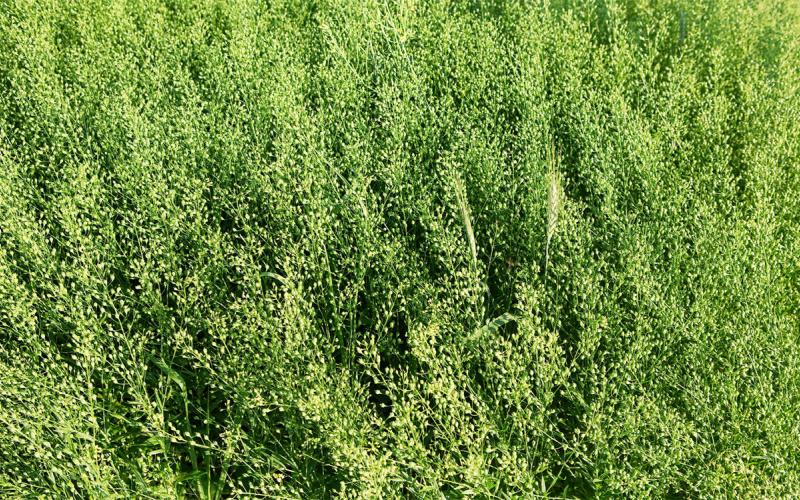
In the semi-arid, western portion of South Dakota, camelina has potential value as a fall-seeded cover crop, providing flexibility in crop rotations for improving soil health.