Oilseed
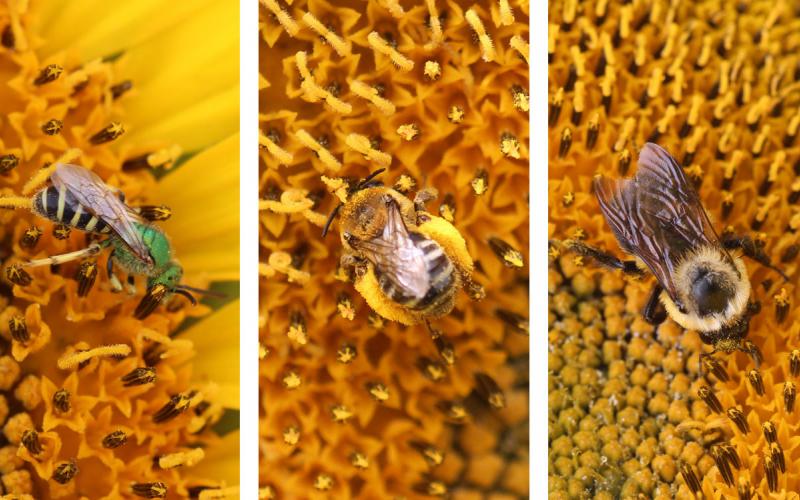
Pollinators Are Active in Sunflower
While scouting sunflowers, it’s hard to not notice the constant buzzing present in the field, which is produced by numerous species of bees. While sunflower varieties grown in the United States were bred for self-fertility, there is evidence that both honey bees and native wild bees can improve pollination.
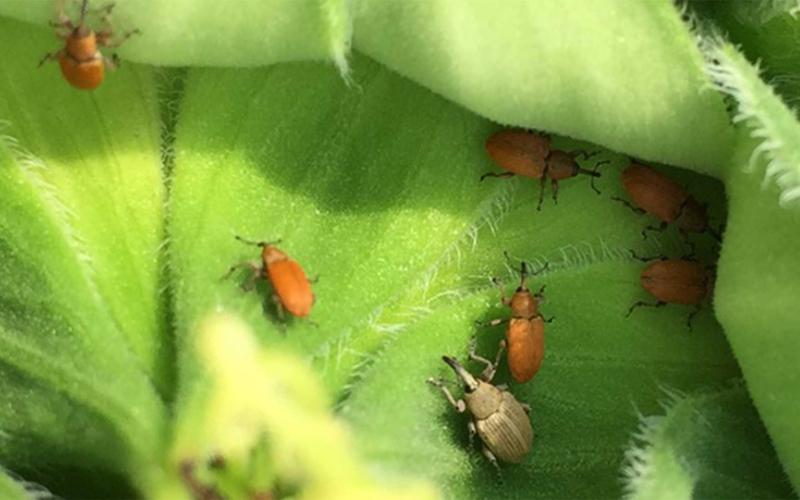
Red and Gray Sunflower Seed Weevil Identification
While scouting sunflower, it’s not uncommon to observe both red and gray sunflower seed weevils on the same developing head. Differentiating these two species isn’t difficult, as there are obvious size and coloration differences.
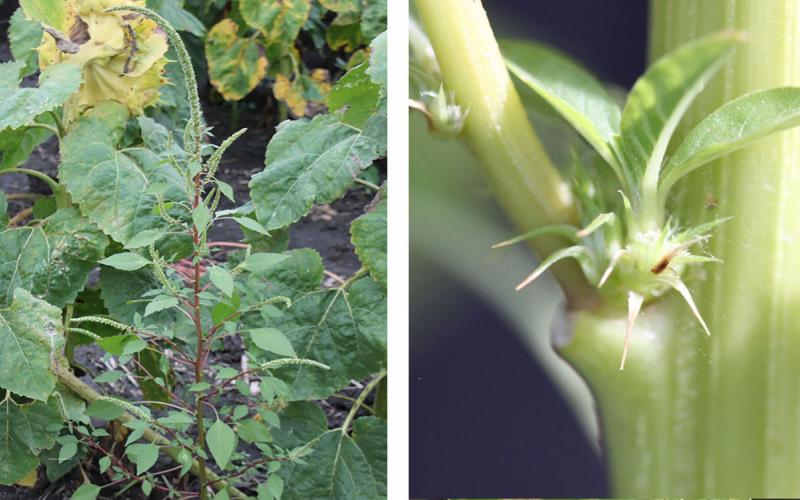
Palmer Amaranth: Now Is the Time to Scout
South Dakota State University (SDSU) Extension encourages farmers, ranchers and other landowners to start scouting for Palmer amaranth, a weed that has been rapidly spreading north into the United States and is likely to be glyphosate-resistant.
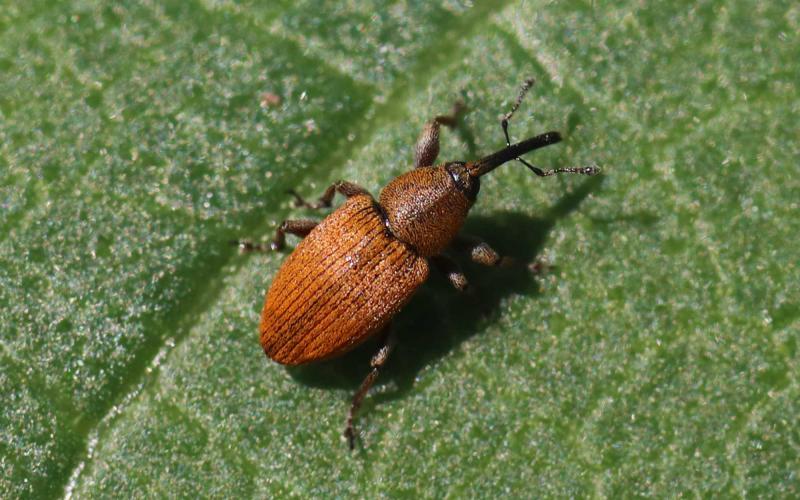
Red Sunflower Seed Weevils Are Active
Red sunflower seed weevils are active in South Dakota sunflowers. We noticed that many fields at R5 stages are already being sprayed, but scouting should still continue in those fields after application, and it should begin for fields that will reach the R5 stage within the next week.
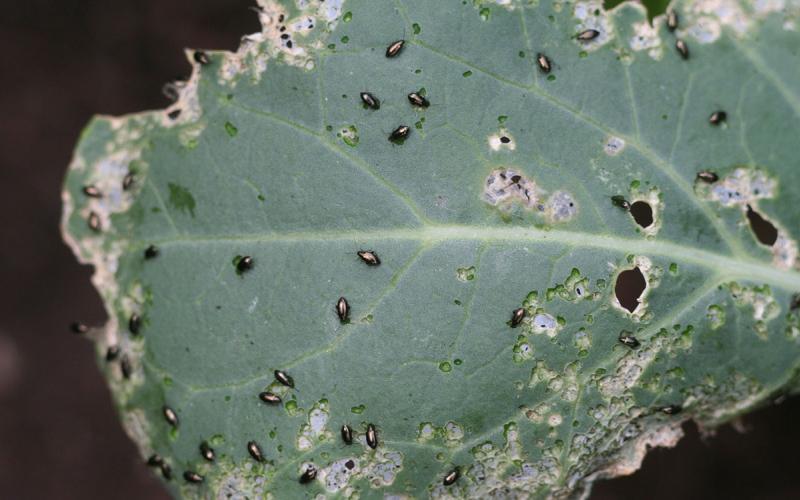
Flea Beetles Causing Issues in Canola
Large flea beetle populations in canola have been observed in neighboring states and within South Dakota. The hot, dry and sunny conditions that we have been experiencing throughout 2021 have been ideal for flea beetle populations.
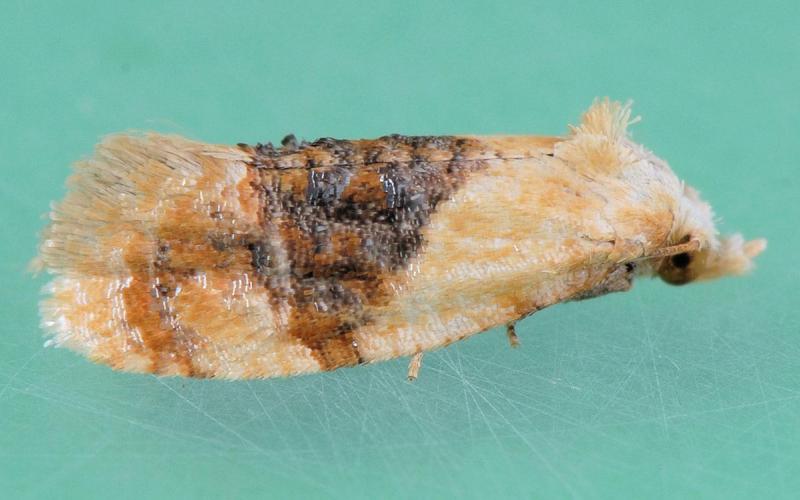
It’s Time To Start Scouting For Banded Sunflower Moths
Sunflowers throughout South Dakota are quickly approaching the R3 growth stage, which means it’s time to start scouting for banded sunflower moths. Banded sunflower moths are capable of reducing yields due to their caterpillars feeding on the bracts, florets and seeds.
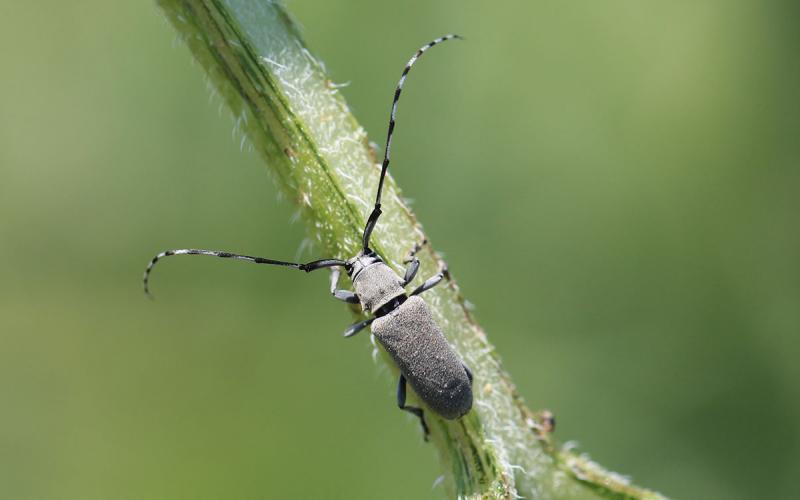
Dectes Stem Borer May Be More of an Issue During 2021
Dectes stem borers are an annual pest of sunflower in South Dakota. During most years, they do not cause major issues in sunflower. However, we have observed increased issues with this pest during dry years.
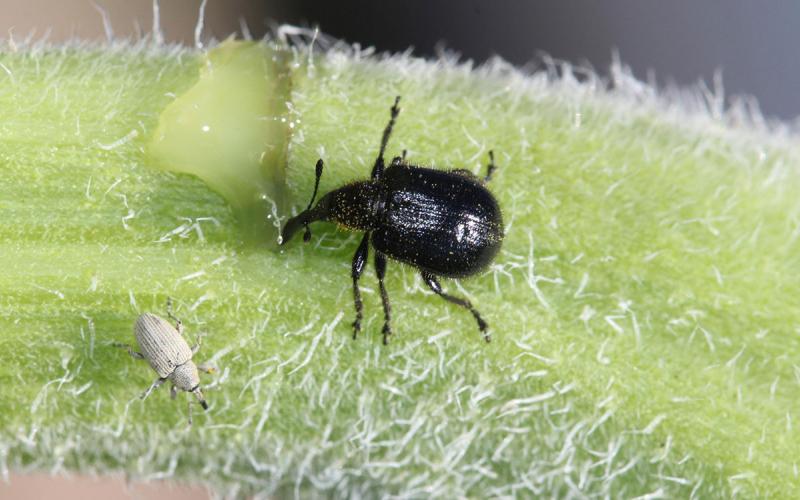
Headclipping Weevils in Sunflower
Headclipping weevils have been active in some sunflower fields and in ornamental sunflower throughout South Dakota. Although the headclipping weevil is considered a minor pest of commercial sunflowers, it can cause a lot of problems for individuals trying to maintain sunflowers in their yards and gardens.
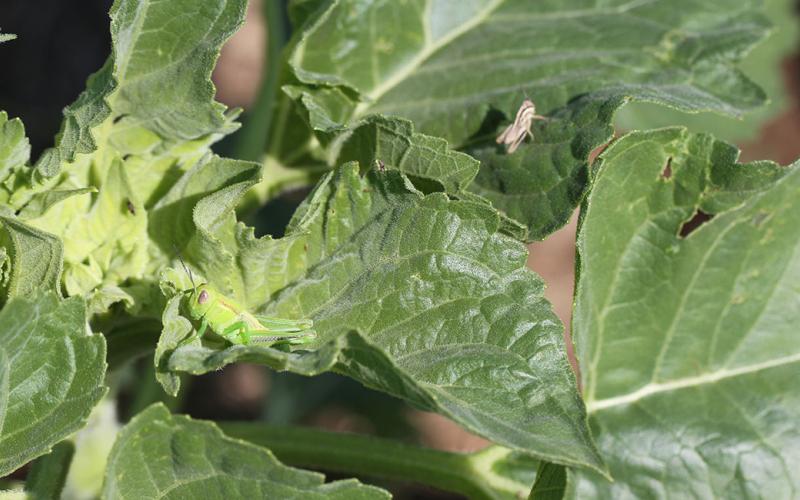
Grasshoppers Already Moving Into Sunflower Fields
With grassland food sources being depleted earlier than usual due to drought, grasshoppers are moving into nearby crops in search of vegetation. In parts of western South Dakota, grasshopper nymphs have already been observed feeding on young sunflower plants.
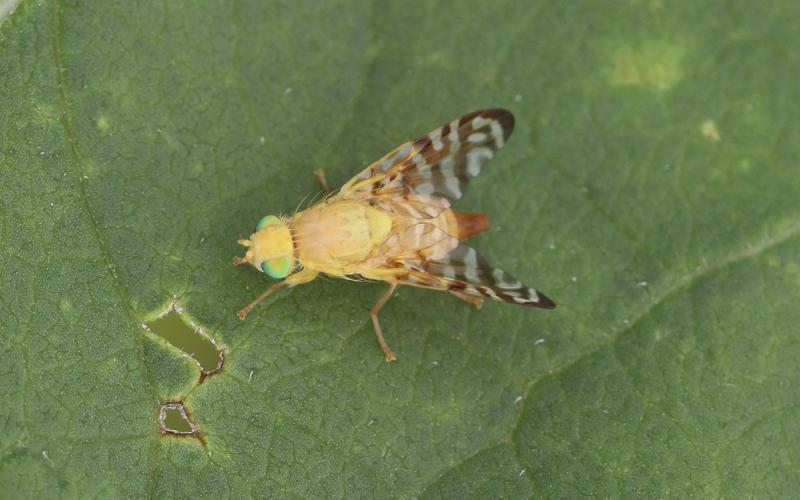
Sunflower Receptacle Maggot Flies Spotted in Sunflower
Quite a few sunflower receptacle maggot flies have been spotted in South Dakota sunflower fields. The adults don’t feed on sunflower, but the larvae of this insect are considered minor pests of South Dakota sunflower.