Goats

Hidden Dangers of Prussic Acid
Prussic acid is a herbivory defense mechanism used by numerous plant species, but is most-associated with sorghum and sudangrass hybrids. While the risk of prussic acid poisoning is greatest in sorghum species, several additional species present across South Dakota can produce prussic acid at varying levels of concern.
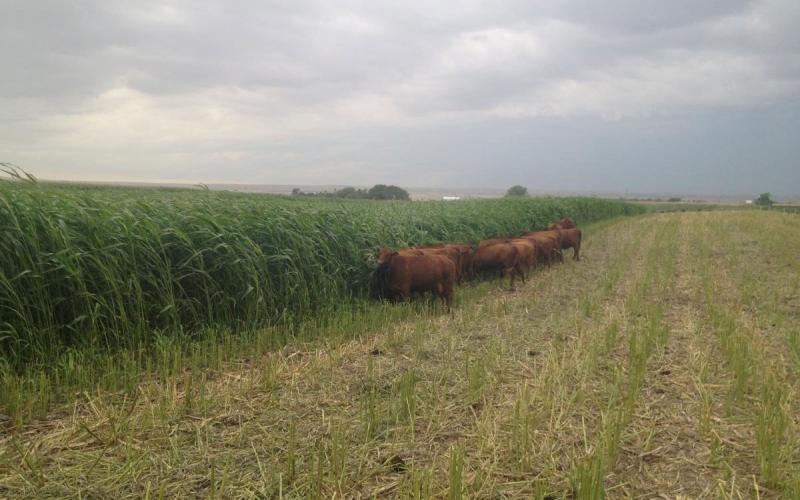
Prussic Acid Poisoning
As the first frost date approaches, producers often have concerns about the risk of prussic acid poisoning in livestock. Certain forage plants, especially sorghums and related species are associated with an increased risk of death loss because of prussic acid poisoning.
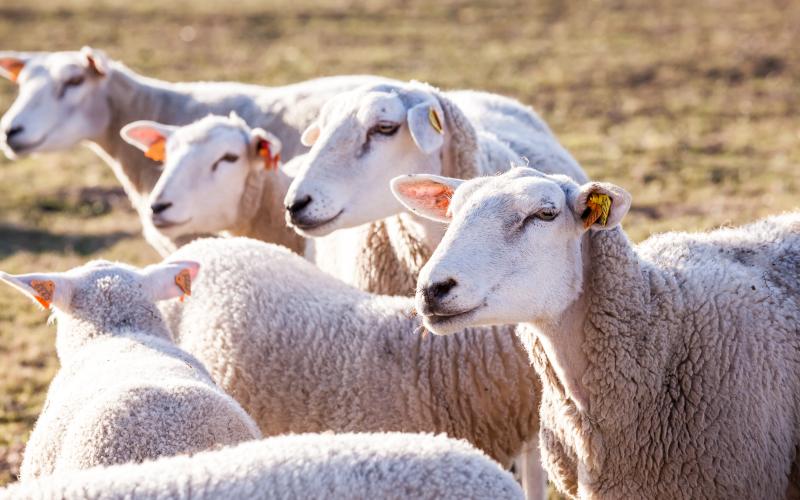
Sheep & Goats
South Dakota ranks sixth nationally in sheep and wool production. And the industry is growing.
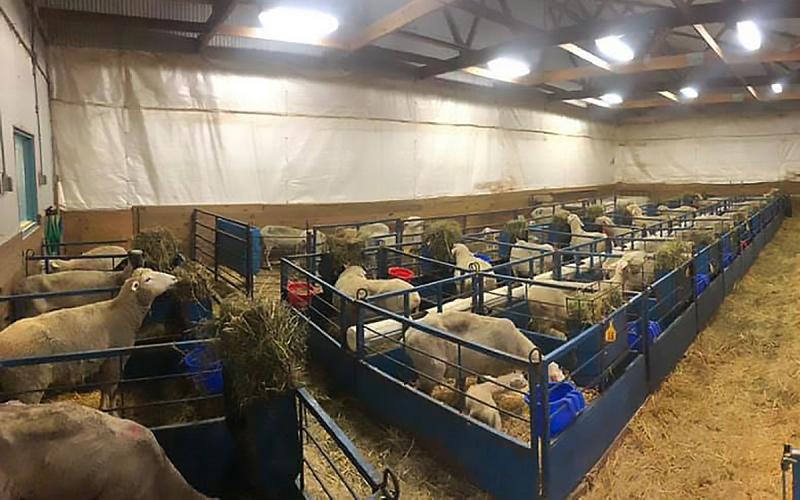
Defending Your Flock Against Scrapie
Scrapie is a prion disease occurring in sheep and goats that results from proteins within the body becoming incorrectly structured. Understanding scrapie and the role sheep producers play in its eradication is key to protecting flock health and supporting successful eradication.
Livestock
South Dakota is home to a dynamic livestock industry.

SDSU Extension welcomes new sheep and goat specialist
July 09, 2026
South Dakota State University Extension is pleased to welcome Ryan Spurling as a new assistant professor and Small Ruminant Production Specialist.
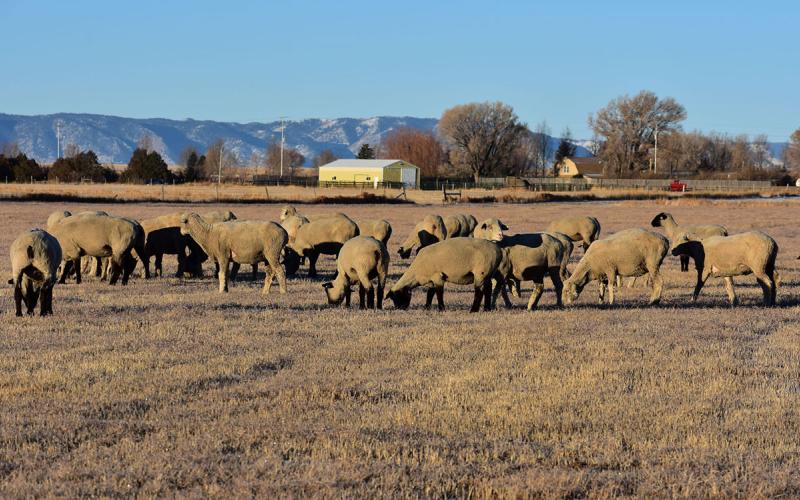
Using Livestock to Promote Healthy Rangelands
Fact sheet about using livestock to promote healthy rangelands
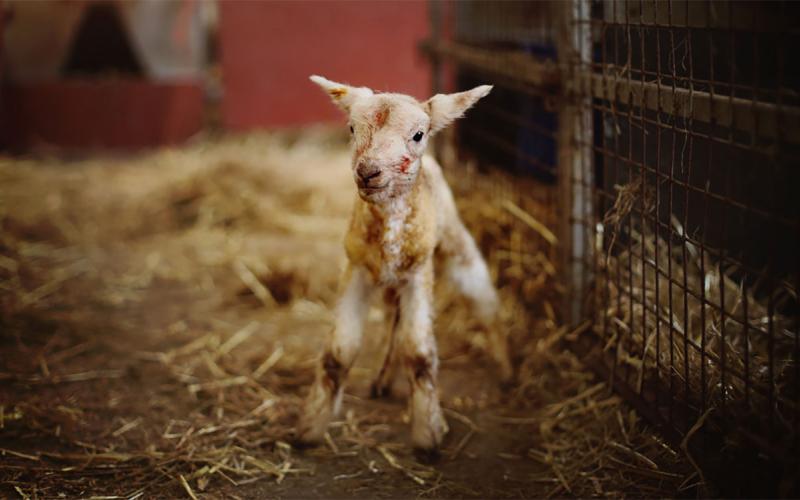
Navel Dips for Lambs and Kids
Treating umbilical cords with a navel dip at birth is recommended to ensure a healthy start for lambs and kids and preventing the occurrence of navel (joint) ill.
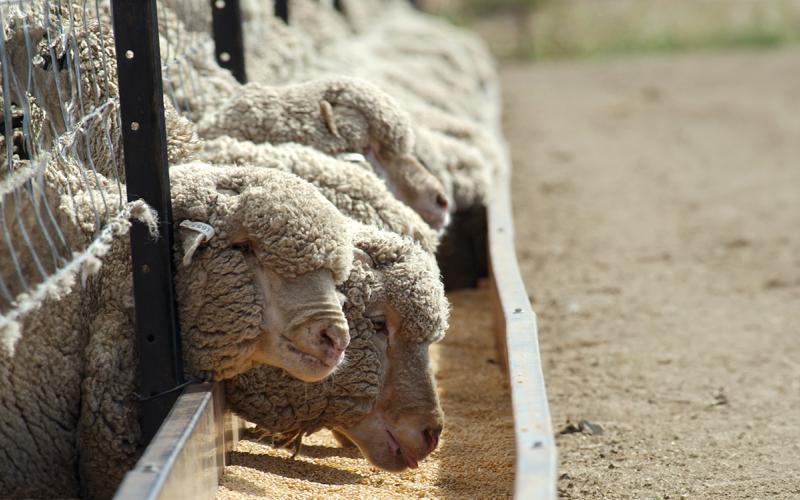
Waterbelly in Small Ruminants
Waterbelly (urolithiasis or urinary calculi) is a concern in male sheep and goats on high-concentrate rations. Knowing its symptoms, forms, and prevention strategies can help you make the best decisions for your flock.
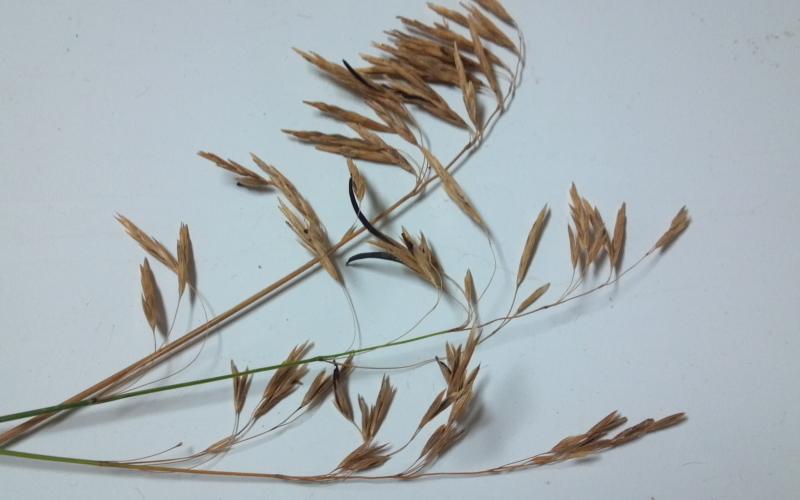
Ergot: A Potential Livestock Poisoning Problem
Cool, damp weather followed by warmer temperatures favors grasses becoming infected with ergot bodies, which can cause a certain kind of poisoning that can affect cattle on pasture.