Farm Business Management

Agricultural Risk Coverage (ARC) and Price Loss Coverage (PLC) Decisions in South Dakota
For South Dakota producers, choosing between Price Loss Coverage (PLC) and Agricultural Risk Coverage (ARC) is an important part of managing farm risk. Before deciding, producers should weigh expected prices, county yields, and which program better fits their operation.

Pasture, Rangeland and Forage – Rainfall Index Crop Insurance Program: Overview and Guidelines for South Dakota Producers
The Pasture, Rangeland and Forage – Rainfall Index crop insurance program has been available in South Dakota since 2013, and some South Dakota producers have used its payouts to protect their operation from the risks of forage loss when rainfall falls below the local average.

Crop Insurance
The SDSU Extension crop insurance team is here to answer all questions related to crop insurance endorsements, as well as to provide information and materials needed to make crop insurance decisions.

Corn Residue Grazing and Rental Rate Considerations
Crop residue makes excellent fall forage for cattle and helps prevent volunteer corn in fields the following growing season. With many corn fields around, farmers and ranchers can work together and find a way to use residue grazing for adding soil nutrients and gaining feed access that benefits each party, respectively.
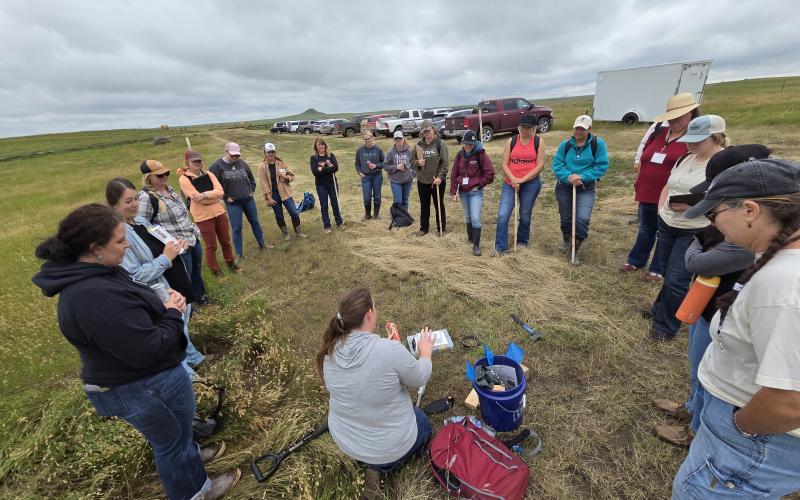
Women in Agriculture
SDSU Extension's women in agriculture programs are open to all. These programs are designed to provide practical education and a strong support network to benefit farmers, ranchers, business professionals and those who support the agricultural industry.
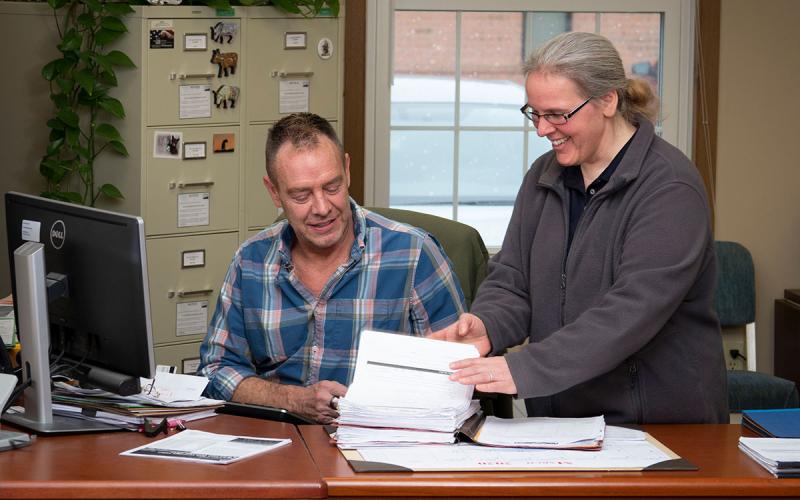
Ag Business
Modern agriculture requires savvy financial planning and strategy.

Should We Sell Corn Stalks?
Grazing and baling corn stalks may have financial and agronomic benefits for the landowner and provide feed resources for cattle producers. Learn how to determine if it's the right decision for your operation.

Cover Crop Economics: Costs, Benefits, and Cost‑Share Programs
Cover crops are gaining attention across South Dakota as more producers look for ways to improve soil health, manage risk, and strengthen long-term productivity. Research consistently shows that cover crops improve soil structure, increase water holding capacity, reduce erosion, and help buffer crop losses during drought or extreme weather.
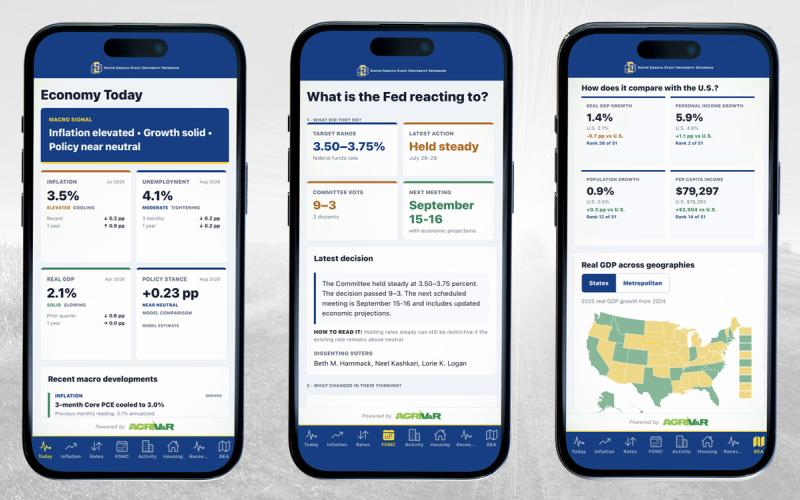
Explore the Economy With the Macroeconomic Report App
The Macroeconomic Report mobile app brings current economic data and practical interpretation together in one place. It is designed for agricultural producers, businesses, lenders, students, policymakers, and anyone who wants to understand how inflation, employment, economic growth, housing, financial markets, and Federal Reserve policy are changing.
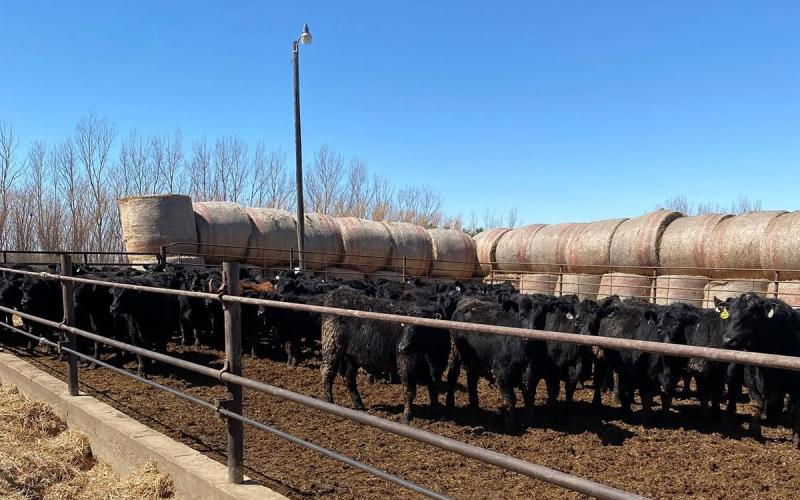
Cow and Heifer Values
The mid-year Cattle inventory report from NASS continues to reflect the difficulty U.S. producers face when trying to expand beef operations. While the total cattle inventory was higher compared to July 1, 2025, the number of beef cows was lower and not offset by the small, absolute level of beef replacement heifers.