Farm Business Management

SDSU Extension to discuss estate tax at Sustaining the Legacy conferences
December 03, 2025
South Dakota State University Extension will continue to assist farmers and ranchers with long-term planning through its Sustaining the Legacy conferences across South Dakota this winter.
SDSU Extension to host virtual Annie’s Project event
November 21, 2025
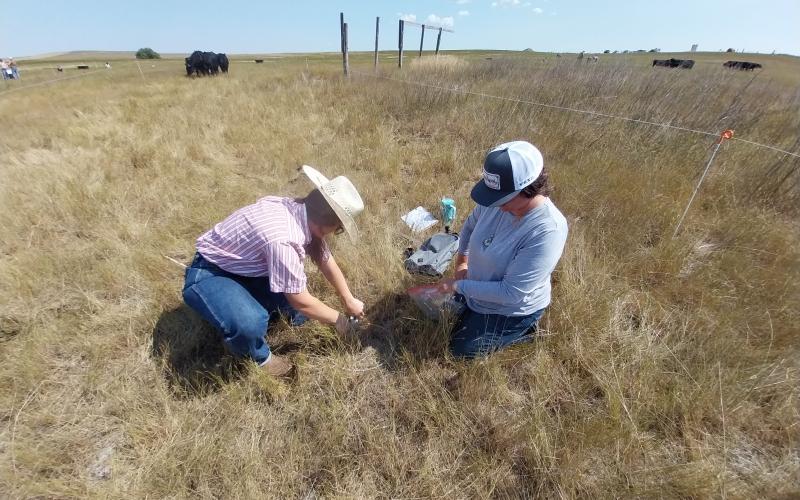
South Dakota State University Extension is inviting everyone to attend its virtual Annie’s Project workshops in January and February.
Why Cropland Grazing Now?
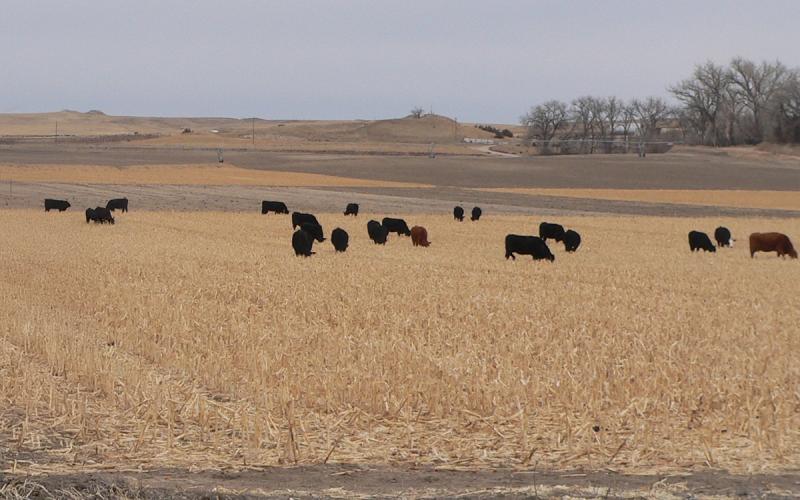
The evidence is consistent: cropland grazing delivers measurable economic returns, proven soil health benefits, and growing adoption in South Dakota.
SDSU Extension hosts Sustaining the Legacy Conferences
October 28, 2025
South Dakota State University Extension will continue to assist farmers and ranchers with long-term planning through its Sustaining the Legacy conferences across South Dakota this winter.

Changes to the Commodity Title from the One Big Beautiful Bill Act: Impact on South Dakota crops
The One Big Beautiful Bill Act contains several changes to the Title I Commodity Programs. Learn how these changes may impact crops in South Dakota compared to crops grown in other regions in the United States.

SDSU Extension offers farm planning programs in Winner
October 15, 2025
South Dakota State University Extension will offer additional Whole Farm Planning workshops on Nov. 12 and 19, 2025, in Winner.
Dairy Production in South Dakota: Growth and Consolidation
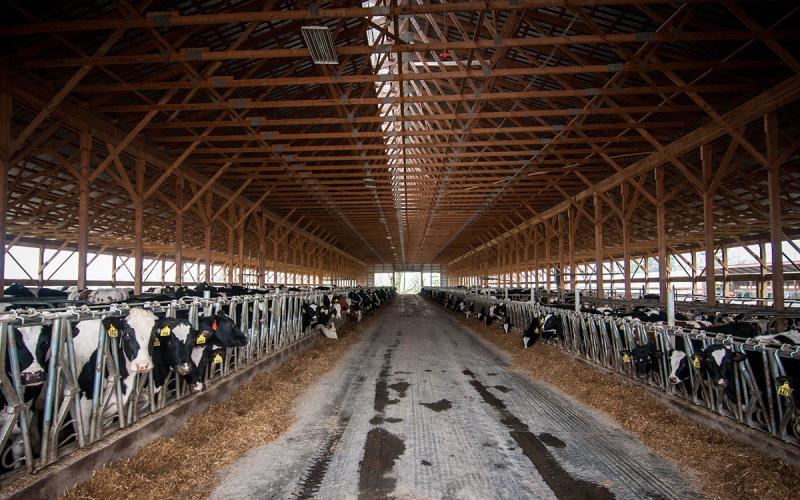
Research has found continued growth in dairy production in South Dakota over the past two decades, with most growth concentrated in large operations in Eastern South Dakota, indicating a trend of consolidation with large farms in concentrated regions.
An Analysis of Margin Protection Crop Insurance on Corn and Soybeans in South Dakota
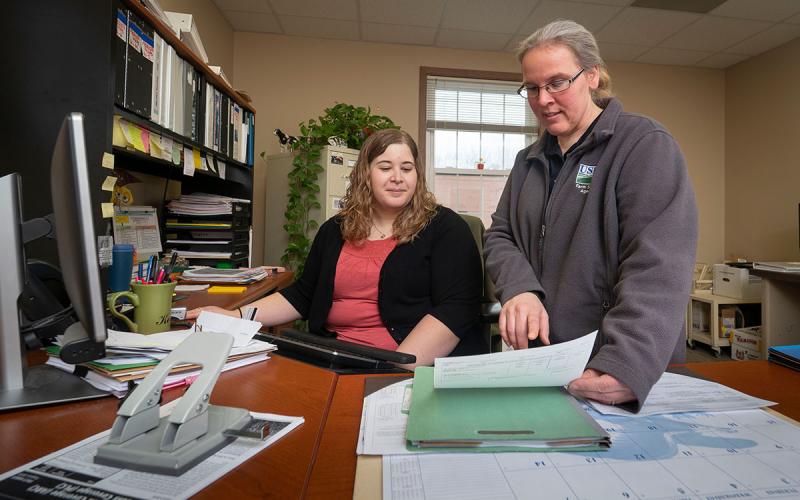
Margin protection crop insurance, an endorsement/policy that insures producers against rising input costs, is growing in popularity in South Dakota. Recent research investigated how South Dakota margin protection payouts compared to our neighboring states.
Sustaining the Legacy
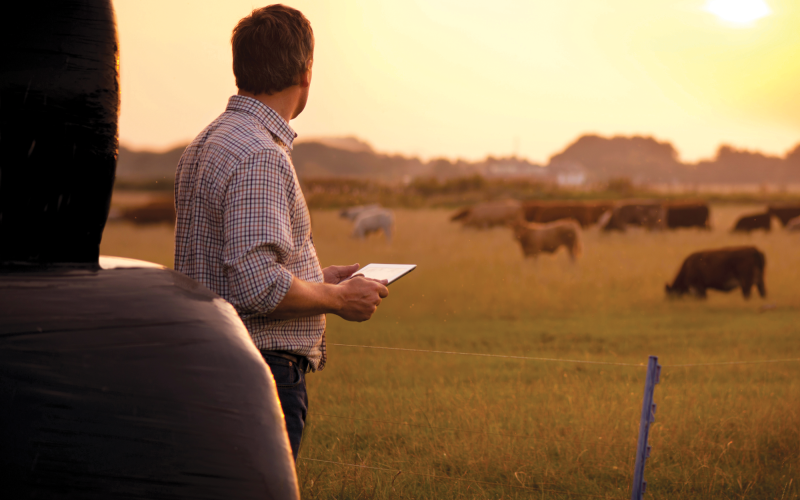
Agriculture is the lifeblood of South Dakota's economy. Sustaining the Legacy is the educational link to planning the continuance of multi-generational farming and ranching operations.
Making Decisions With Hail-Damaged Row Crops
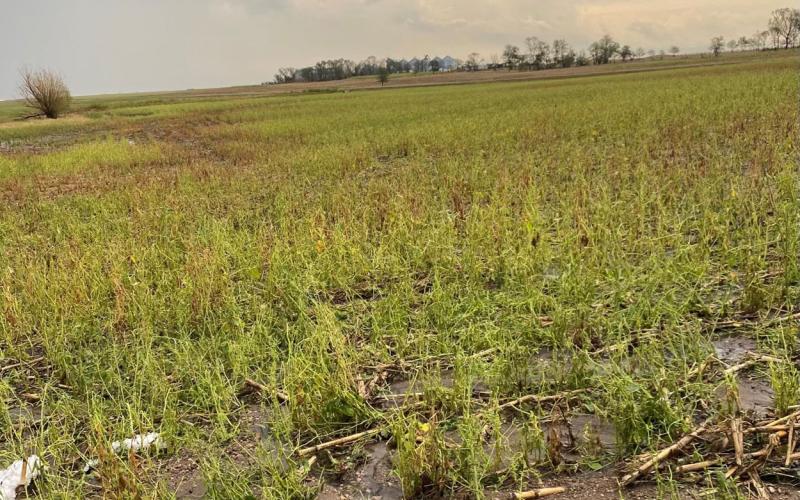
Late-season hail damage can leave growers wondering what to do next. Before deciding what to do with your hail-damaged fields, take some time to consider a variety of management options.