Beef Nutrition
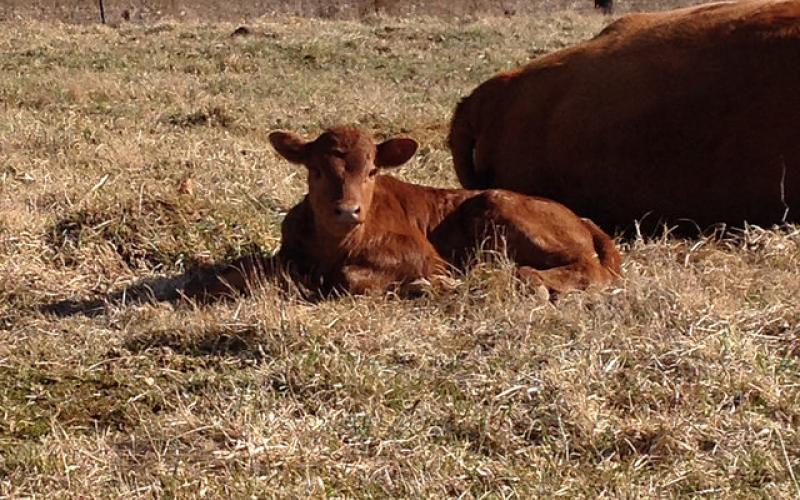
Early Weaning as a Drought Management Strategy
Successfully managing drought conditions requires balancing the amount of forage demanded by grazing livestock with the amount produced.
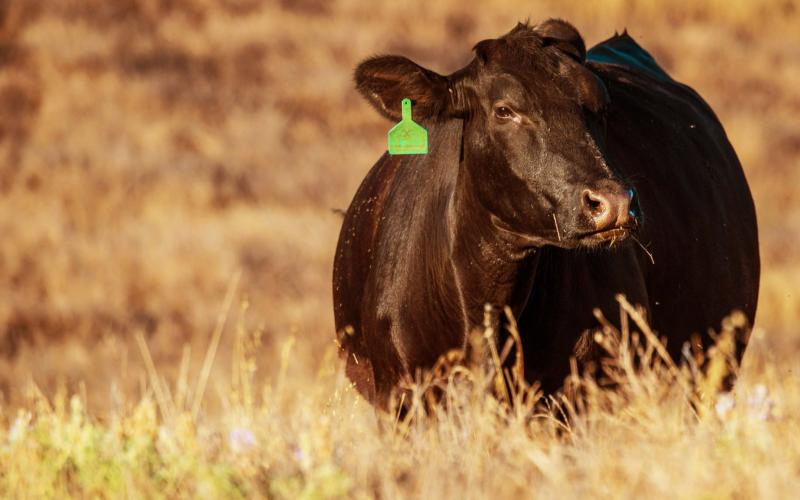
Hot Weather Challenges Beef Cattle
Hot weather conditions create challenges for grazing beef cattle.
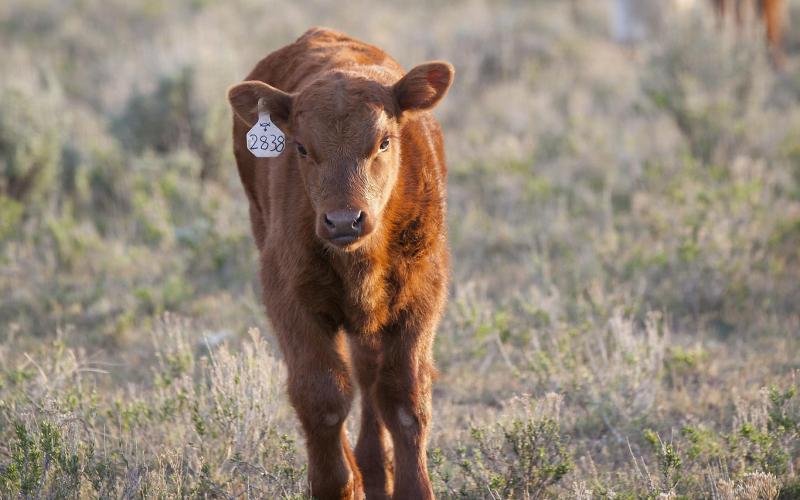
Managing Light-Weight Calves
Weaning calves early is a powerful management tool to reduce demands on range and pasture.
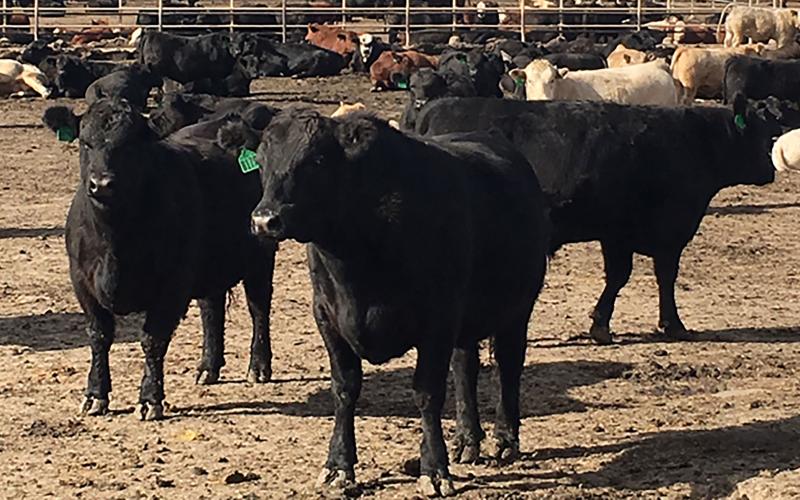
Drylotting Cow-Calf Pairs
Whether because of reduced forage production caused by drought, or increased competition for grazing acres, feeding lactating cows in a drylot is being at least considered as an option by more ranchers.
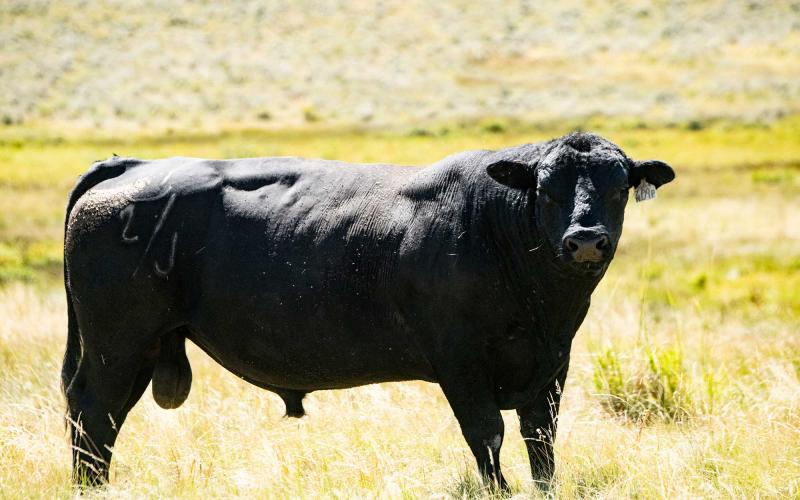
Bull Nutrition
This publication focuses on nutrient requirements for developing bulls, feeding programs to “let down” overconditioned bulls, and feeding during the period between breeding seasons.
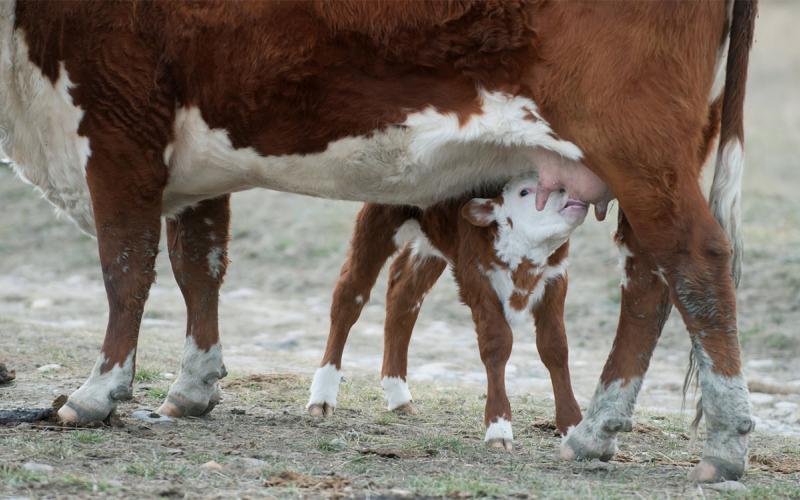
Updated Guidelines for Monitoring Colostrum Consumption and Antibody Transfer in Calves
Dairy and beef producers have long understood the importance of colostrum for the short- and long-term health of their calves. Calf health experts have determined the minimum level of serum protein to categorize a calf as having received sufficient colostrum.
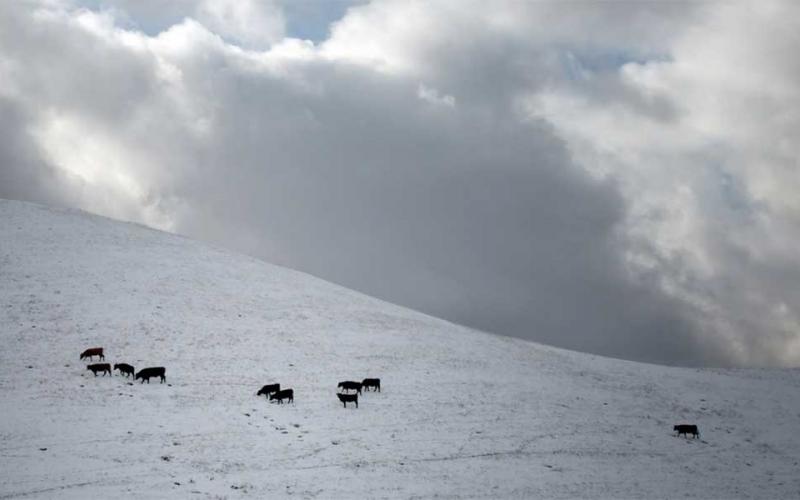
Rotational Grazing During Winter
Winter feed represents one of the largest costs for a livestock production enterprise. Grazing pasture that has been stockpiled for winter use is a rational alternative to limit costs resulting from both harvest and feeding of hay.

Grain Overloads: A Possible Consequence of Cornstalk Grazing
Corn residues are a great source of winter feed, but in certain situations, cattle producers should be aware of the possibility of grain overloads, which can impact herd health.
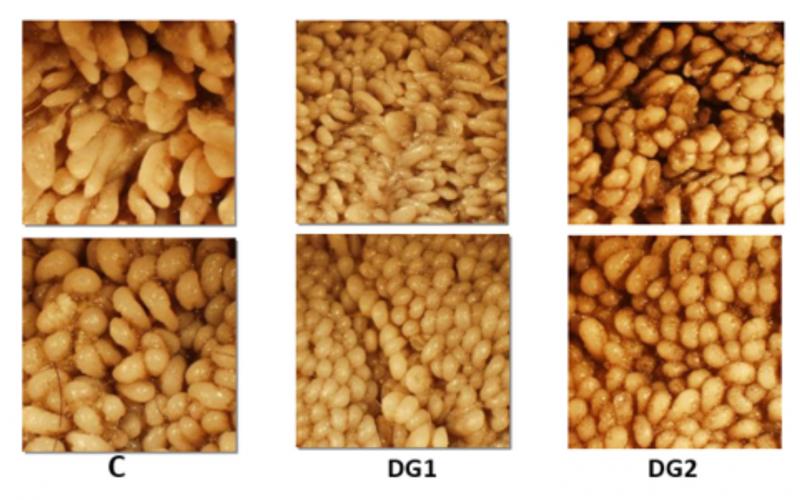
Distillers’ Grains and Rumen Papillae Growth
Distillers grains are without a doubt one of the most versatile ruminant feedstuffs. Aside from their high concentration of sought-after nutrients (i.e. protein, energy, phosphorus), their impact on the digestibility of other feeds is minimal. In fact, by not interfering with the digestion particularly of structural carbohydrates, they allow for more energy to be obtained from forages.
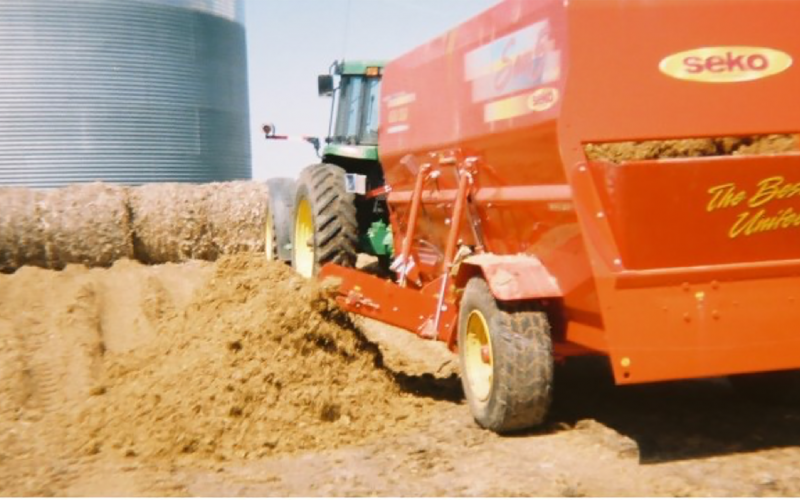
Storing Wet and Modified Distillers Grains
One of the primary challenges for livestock producers in the coming months could very well be feedstuff cost and availability due to the fact that the corn planted acreage and crop progress are both well behind normal benchmarks. One opportunity that might help cattle feeders proactively secure feed supplies would be storing wet or modified distiller’s grains now to be fed at a later date.