Search
Garden Hour
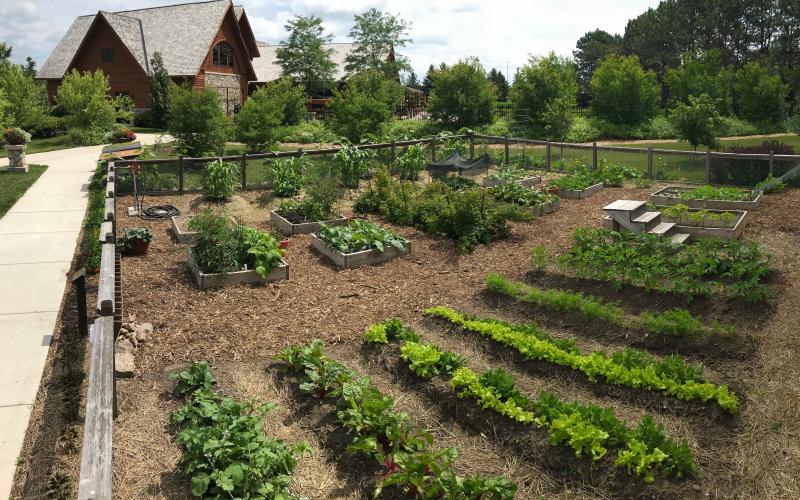
Make the most of your garden and landscaping with weekly insights and ideas from our team of experts.

4-H Health Project
Today’s world is very health conscious with limitless choices and opportunities. You might ask what can I learn and pursue in the health project area?

Healthy Aging in Midlife: Is Midlife Crisis Real?
Midlife can be defined as a pivotal time in life where changes occur related to physical health, cognitive functioning, and well-being.
Impact of Swine Manure on Soil Organic Carbon
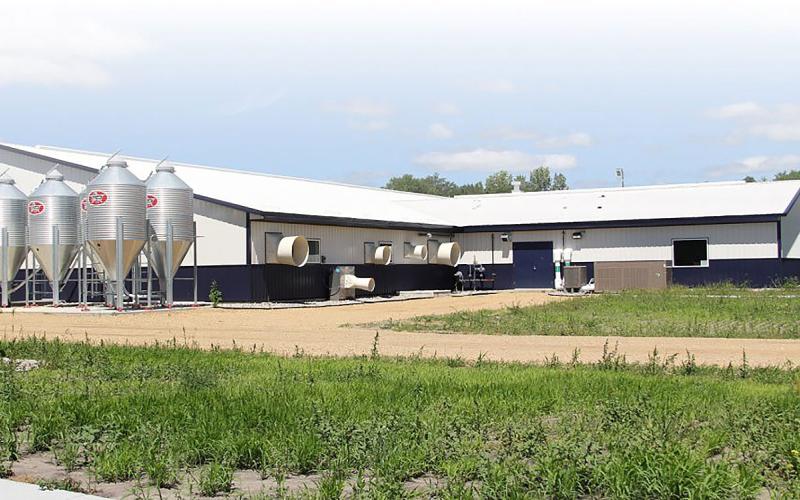
This fact sheet summarizes what research shows about how swine manure affects SOC and what that means for field-level decisions.
Make Grazing Simple Again – Winter corn residue grazing
During this episode of Cattle HQ, Taylor Grussing, Cow/Calf Field Specialist visits with Dr. Rick Funston Professor and Extension Reproductive Specialist with the University of Nebraska Extension and based out of the West Central Research and Extension center in North Platte, NE.
Best Practices for Swine Manure Application
This fact sheet summarizes research-based practices to help producers, consultants, and conservation professionals make practical decisions that protect both productivity and stewardship.
Range Roundup: Virtual Fencing Project Takes Place at the Cottonwood Field Station
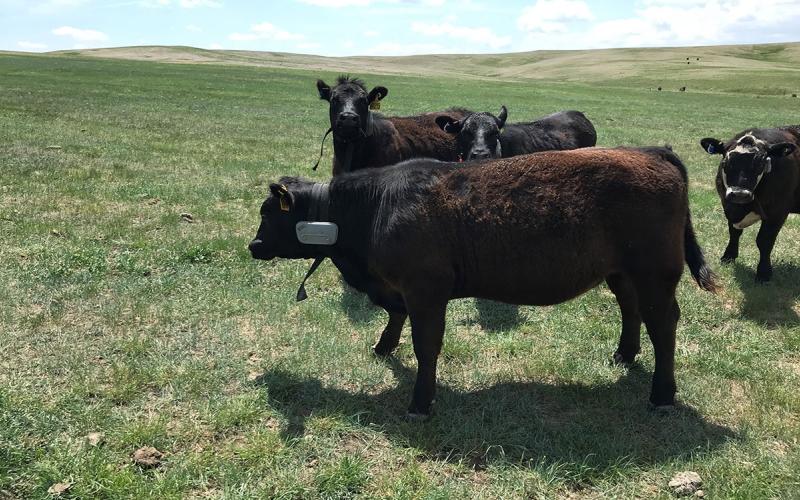
Virtual fencing (borders without physical barriers) has started making waves in the cattle industry, and it can be used to implement precision grazing management. Our team is researching its use and utility at the SDSU Cottonwood Field Station starting this summer.
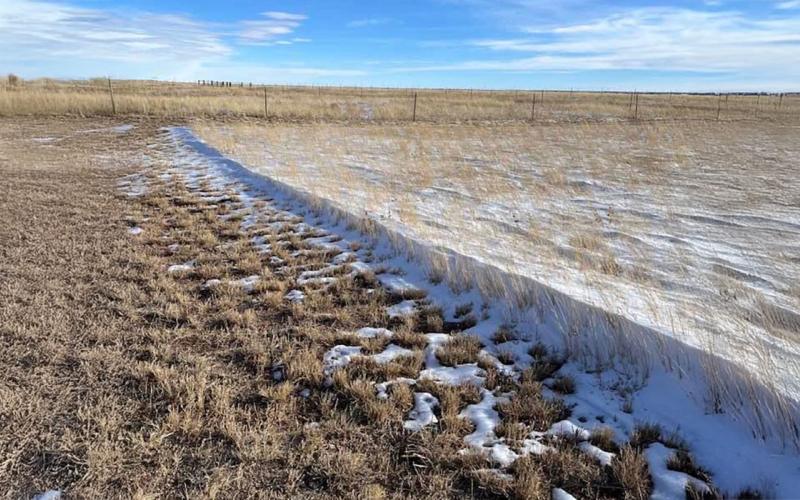
Winter Pasture Report: What’s your plan for spring?
Widespread drought conditions persist across the upper Great Plains into the beginning of 2025. During drought conditions, it is extremely important for producers to regularly assess precipitation and forage resources so they can manage livestock accordingly.

Resources for Consumers Whose Income is Interrupted
An interruption in income can make a well-planned spending plan a useless financial tool. If you do not have a savings buffer to get you through an income interruption, there are resources available to get your spending plan back on track.
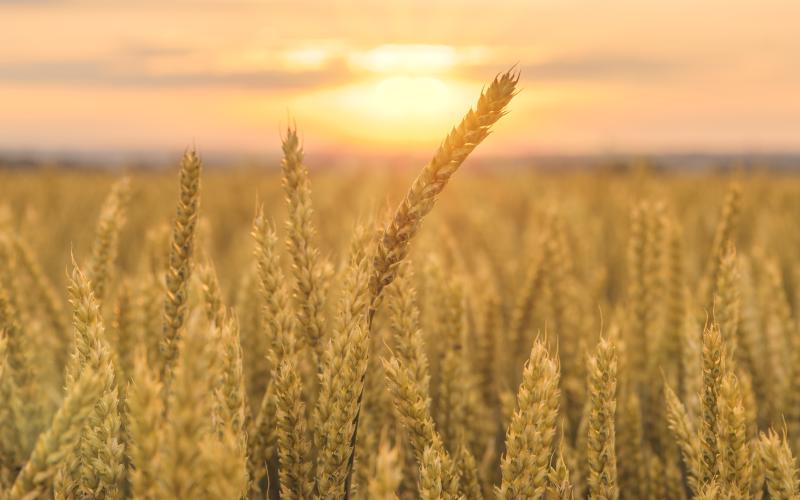
2018 Field Plot Summaries for Wheat Disease Management Trials
The wheat disease management field experiments conducted in the 2018 growing season evaluated several experimental and commercially available fungicides for managing foliar, head or root diseases of spring wheat. Foliar and spike/head diseases incidence and severity were assessed. The field experiments were implemented at Volga Research Farm and Northeast Research Farm (NERF) near South Shore, SD. Results of the same experiment may vary between Volga and Northeast due to environmental differences between the two locations.