Search
Woody Encroachment Field Tour @ Mitchell
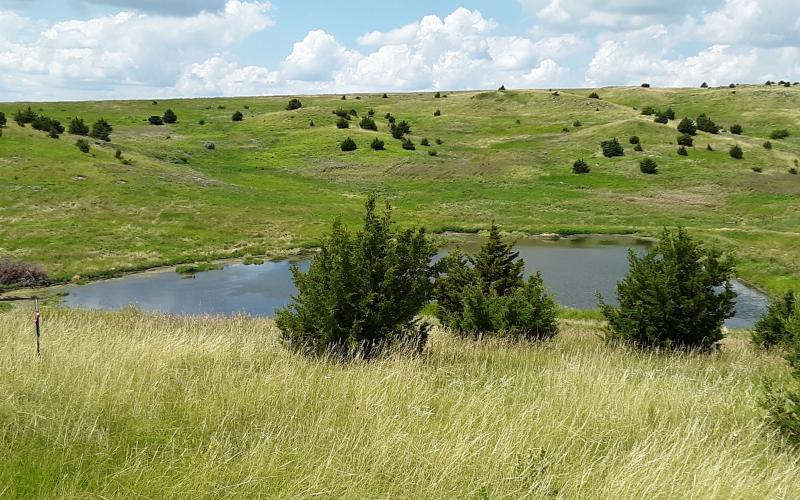
SDSU Extension and its partners will host a field tour near Mitchell on August 12 at 5:30 p.m to discuss woody encroachment treatment options.
Natural Resources & Conservation
South Dakota is home to many unique land, water and wildlife resources. Our experts and partners offer research-based information through to help people enjoy, preserve and profit from these natural resources.
Testing Forages for Nitrates
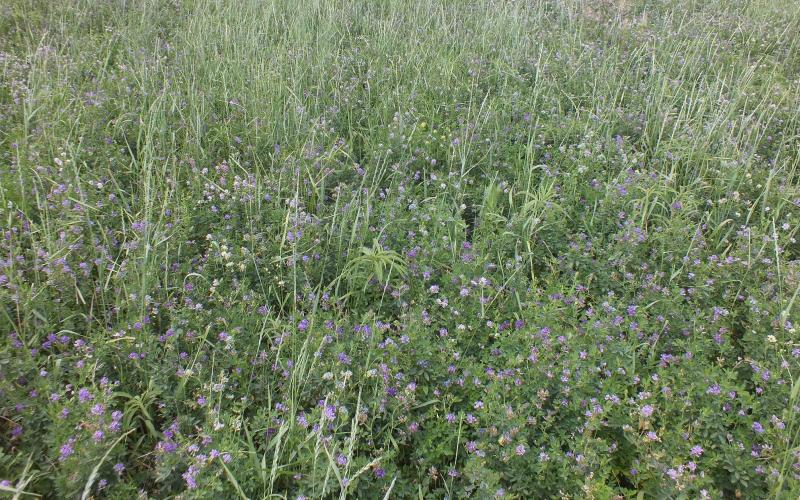
Free nitrate testing is available at various locations across the state. Nitrate testing strips are used to provide a semi-quantitative value of nitrate levels in forages. It allows producers to make decisions based on the presence or absence of nitrates and appropriate timing for cutting.
2026 South Dakota's Greatest Gardens Contest
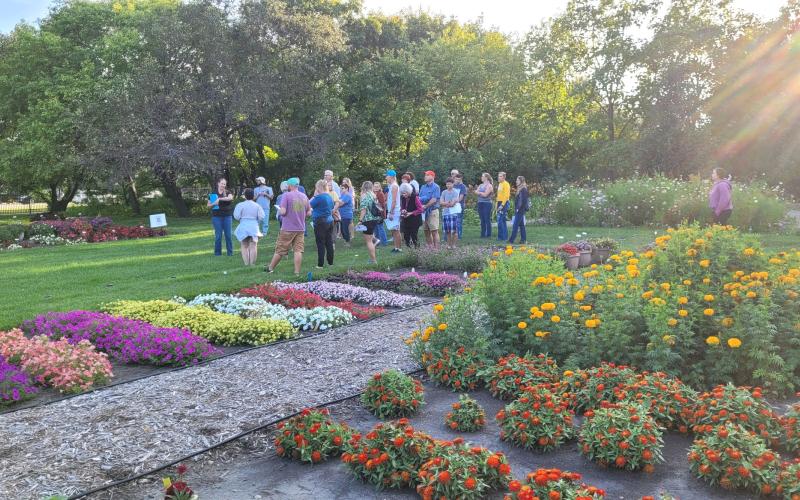
SDSU Extension is hosting a contest in search of South Dakota's Greatest Gardens. The contest will last from July 1 through August 23.

Replacing Legal and Financial Documents in South Dakota
Fact sheet covering various document types that may be lost, destroyed, or stolen and provides sources for information to replace them.

West Nile Virus Update: July 2, 2026
On June 15, 2026, the South Dakota Department of Health released a press release that the first West Nile Virus positive pool of mosquitos was detected in Brown County. Although much of the state is still experiencing drought, recent heavy rains will promote already active mosquito populations.
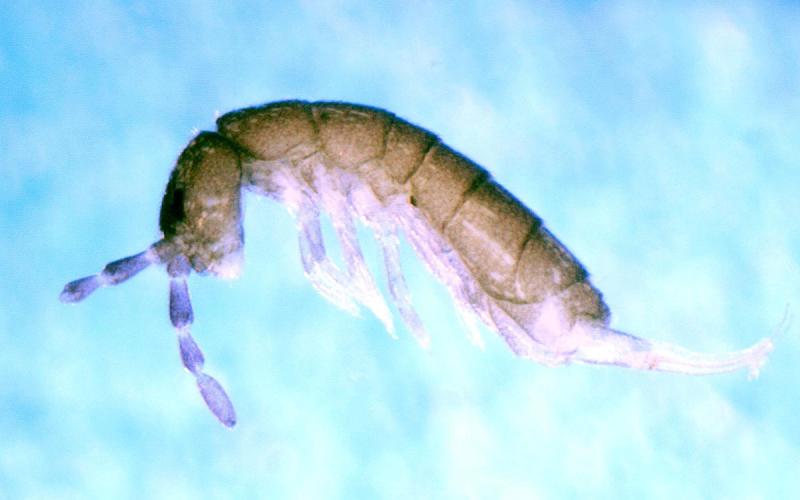
Springtails Are Active in South Dakota
Recent reports of seemingly millions of very small insects moving around on driveways and around homes was the result of a springtail population boom. Springtails typically become a nuisance during drought conditions or saturating rains.

The Impact of Mature Cow Size on Profitability in Cow-Calf Operations
The mature weight of the U.S. cow herd has steadily increased over time. While larger cows are often perceived as more productive, this trend brings several economic challenges.

Large Grasshopper Nymph Populations Detected in Southeast South Dakota
This week we received several reports of large grasshopper populations originating from southeast South Dakota. The populations were well above threshold and actively defoliating crops.
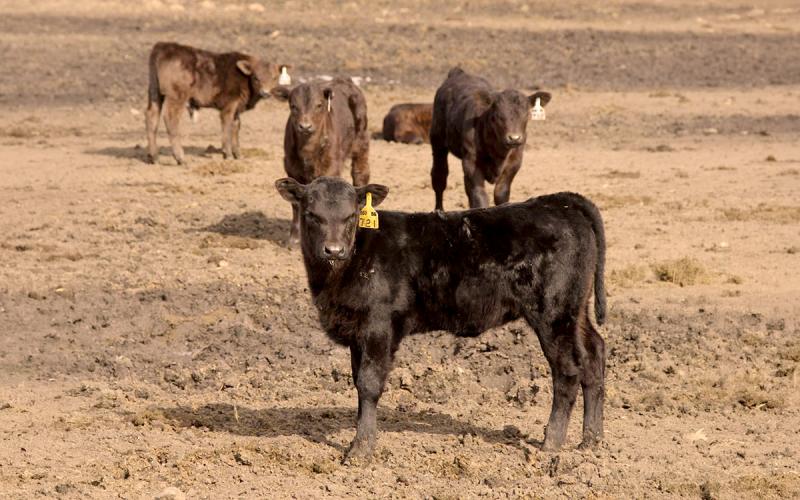
Vaccinating Early-Weaned Beef Calves
In most years, pre-weaning vaccinations are a task completed in early fall. However, in dry years, poor pasture conditions forcing producers to wean calves early may push up that timeline.