Seasoned cow-calf producers know the long list of everything that has to go right for a cow to become pregnant during breeding season. Nutrition, as measured by cow body condition, needs to be right. The number of fertile bulls needs to be sufficient for the number of cows to be bred. Heat waves, dry spells, infectious diseases from the neighbor’s cows over the fenceline – the harmful effects of all of these have to be managed so they don’t interfere with the cow’s ability to become pregnant and to maintain that pregnancy.
Cows confirmed pregnant in the fall and winter have so far dodged all that adversity. Fortunately, once mid-gestation is reached (4-5 months post-breeding), it’s uncommon for anything bad to happen to that pregnancy; cows that are deemed pregnant at preg-check time yet open at calving time are an unusual occurrence. Studies have shown that once gestation hits even 42 days, herd pregnancy loss is only 2% at the most.
Yet late term pregnancy loss occasionally happens. Within a given herd, it’s not unusual for a sporadic cow or two to expel her calf prematurely, oftentimes for no discernible reason. In even rarer situations, exposure to a germ or toxin can cause large numbers of pregnancy losses.
Germs such as BVD virus, IBR virus, and Neospora are often mentioned as the usual causes of infectious abortion outbreaks. But there’s another interesting cause of pregnancy loss that cattle producers in less mountainous areas maybe haven’t heard of before – Ponderosa Pine needles.
For at least the past 50 years, consumption of Ponderosa Pine tree needles (and those from a few other pine tree species) by pregnant cattle has been recognized as a cause of abortions during the last trimester (three months) of gestation. A compound called isocupressic acid in the pine needles causes the problem. Once in the pregnant cow’s system, this chemical interferes with the production of normal hormones like progesterone that help maintain pregnancy.
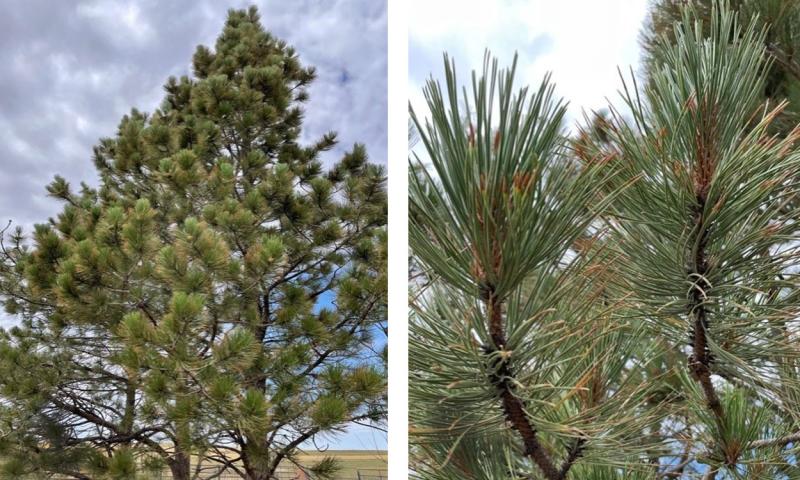
One might think it unusual for cattle to eat pine tree needles, of all things. For the most part, that’s correct. When these animals have an ample source of more typical, more palatable feed, they usually won’t resort to pine needles as a source of dietary sustenance. It’s during cold winter temperatures and deep snow conditions that cattle start thinking about consuming them. Cows hunkering under trees to avoid wind will encounter fallen needles to chew on (dead needles still contain the chemical). Unfortunately, those winter weather conditions often coincide with the last trimester of gestation when the fetus is most susceptible to the effects of the chemical.
A great number of cattle producers won’t ever have to worry about this potential exposure since Ponderosa Pines are fairly unusual in their locations. On the other hand, for cattle producers in the Black Hills of South Dakota for example, where the trees are plentiful, the threat is all around them. Ponderosa Pines are also common in other parts of southwestern South Dakota (they’re the namesake of “Pine Ridge”), northern Nebraska, and throughout mountain forests in the western US.
There’s no vaccine against pine needle abortion, nor are there preventive medications or antidotes. The only tool at our disposal against the problem is to make sure pregnant cattle don’t have the chance to consume the needles. It’s especially important during winter once snowfall and cold temperatures encourage cows to look to these needles as something to eat. Avoidance doesn’t just apply to the standing trees themselves, but also to brush piles from pine trees and fallen needles on the ground underneath the trees.
Pine needles are just one more pregnancy threat to put on the list for cattle producers to manage. If you’re a cattle producer in areas where the trees are prevalent, it’s certainly something to pay attention to.