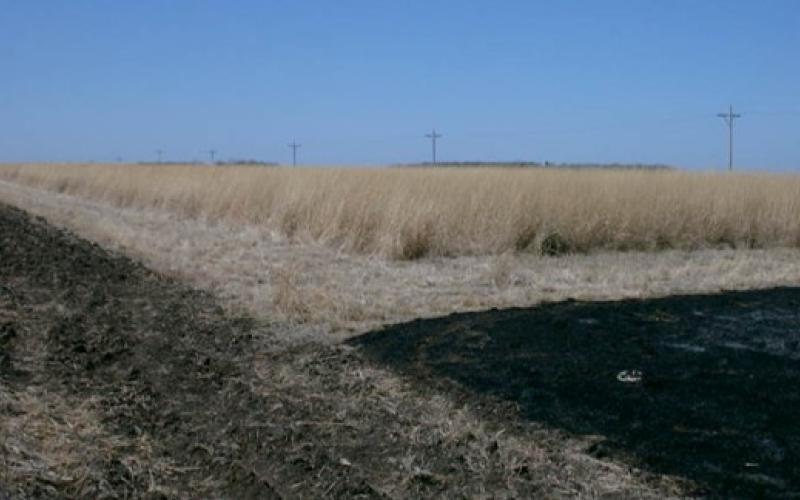
Winter often feels like the quietest season on a ranch. Grasses are dormant, cattle are settled into winter feed sources, and it can feel like the landscape is resting. Yet for range and grazing management, winter is one of the most revealing times of the year. What we observe now – long before green-up – can provide clear signals on how last season’s management affected the land and what adjustments may be needed for the coming year. Dormant plants tell the truth. They don’t hide their response to grazing pressure behind fresh growth or moisture-driven recovery. For this reason, winter is an ideal time to “read the range,” using simple visual assessments to understand forage carryover, plant vigor, ground cover, and areas that you may need to provide some more recovery for before the next grazing season.
Why dormant-season assessment matters
Rangelands enter winter carrying the story of the previous year – every decision about timing, duration, rotation speed, stocking rate, and distribution leaves an imprint on the landscape. While spring and summer monitoring is essential, winter offers a perspective that is less influenced by active plant growth and more reflective of long-term trends.
From a management standpoint, winter assessments can provide three benefits:
- Clarity
With dormant plants, it’s easier to see residual height, stubble distribution, litter cover (a.k.a. soil armor), and patches that received heavy or light use. - Predictive value
Dormant-season condition strongly influences how plants respond once growth begins in the spring. - Decision readiness
Early detection of problems gives managers time to adjust stocking rates, plan rest periods, or target infrastructure improvements before the grazing season starts.
In other words, winter provides the opportunity to look back with precision so spring can begin with intention.
What to look for
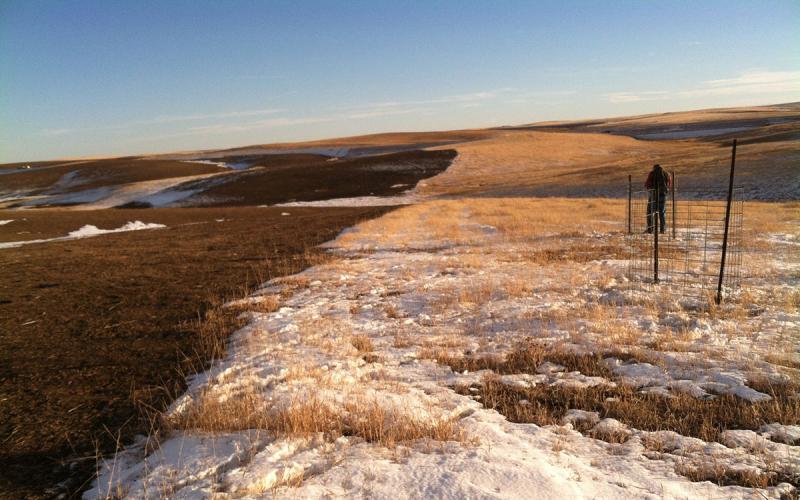
Stubble height and residual forage
Residual height is one of the best indicators of last season’s grazing pressure. If stubble is consistently low – especially on key species such as western wheatgrass, green needlegrass, or little or big bluestem – it signals that plants may need more recovery this coming year. You can assess this by looking for patterns:
- Uniform low stubble suggests the stocking rate was likely too high.
- Patchy low stubble suggests distribution issues (water placement, shade, mineral, or terrain).
- Adequate stubble with diverse heights indicates balanced use.
Litter (soil armor) and ground cover
Litter, fondly referred to as soil armor, is last year’s dead plant material. It plays a critical role by supporting moisture retention, seedling establishment, soil protection, and nutrient cycling. Sparse litter or bare ground patches often reflect chronic overuse or repeated grazing at the same time each year.
A helpful question is: Do I see the soil surface more than I see litter? If yes, the pasture likely needs a rest period or adjusted timing this season.
Grazing distribution
Snow and wind often make livestock behavior more predictable, but distribution patterns from the previous growing season remain visible. Trails, congregating zones near water, and heavily used riparian edges are often easy to spot in the winter.
Ask yourself:
- Where did cattle spend most of their time?
- What encouraged that behavior?
- How can I shift distribution next year?
Sometimes there might be simple fixes such as salt placement, temporary fencing, or developing new water sources that can dramatically improve distribution.
Plant community composition
Even dormant plant communities tell an important story. Heavy use the previous year may show up as an increase in opportunistic, ‘weedy’ species (e.g., curlycup gumweed, Kentucky bluegrass), shifts in functional groups (e.g., changes between cool and warm season grasses), or visible stress on desirable grasses. Winter scouting helps catch these changes early, before they become long-term trends.
The value of winter monitoring
Using winter observations to plan for spring
The value of reading the range in the winter lies in turning observation into action. A few simple steps can guide planning for the spring and subsequent grazing season:
- Prioritize recovery
Pastures showing heavy use or minimal/weak litter cover should receive early-season rest. - Revisit stocking decisions
Dormant-season conditions often reveal whether stocking levels were sustainable. - Plan distribution improvement
Use winter insights to decide where to place salts, minerals, supplements, or temporary fences once grazing begins. - Make small adjustments
Small adjustments made now often prevent large problems later in the season.
A winter check-in that strengthens the whole year
Winter monitoring isn’t complicated, and it doesn’t require specialized equipment. It is simply a practice of attention and looking closely at the land during its quiet season so you can guide it wisely during its most active. With a few hours in each pasture, managers can gather a season’s worth of insight and set themselves up for a more resilient grazing year. What you notice now becomes the foundation for the decisions you will make in spring, and the health of your pastures for years ahead.