Search

SDSU Extension welcomes new sheep and goat specialist
July 09, 2026
South Dakota State University Extension is pleased to welcome Ryan Spurling as a new assistant professor and Small Ruminant Production Specialist.
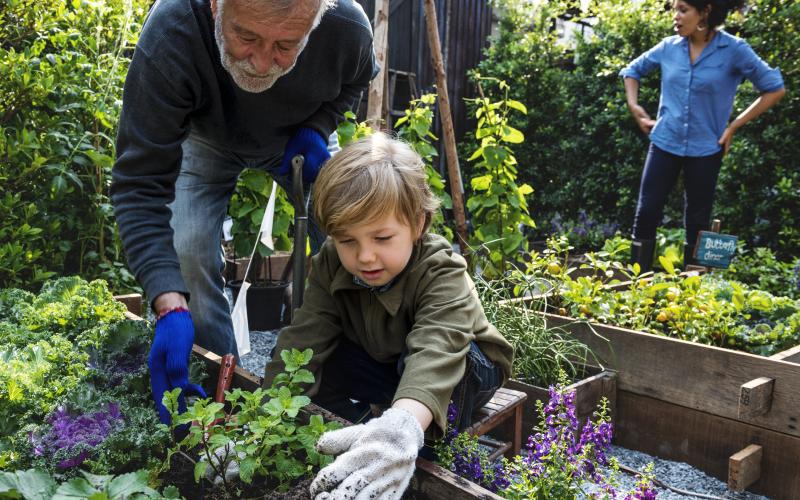
Housing Across the Life Span: Consumer knowledge, preferences, and barriers
The goal of this study was to understand perceptions of aging in place and identify next steps to remove barriers to successful aging in place.
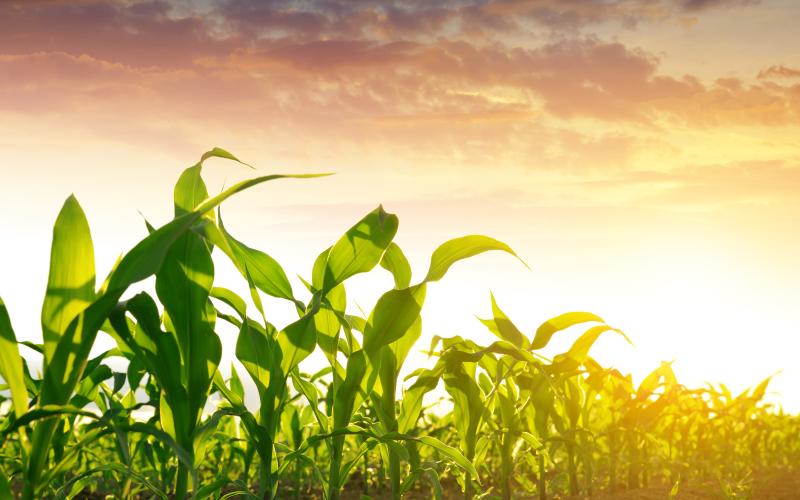
Corn
Nearly one out of every three dollars generated by South Dakota agriculture starts in a corn field. Two of every three rows of corn become ethanol.

Nursery Pig Performance Impacted by Total Dissolved Solids in Water
Because water quality can vary considerably between production sites, it is important to identify the qualities of water that impact the growth performance of nursery pigs.
Organic Farming
In this episode of Cattle HQ, Kiernan Brandt and Olivia Amundson, former SDSU Extension Cow/Calf Field Specialists, discuss organic farming with a Madison, SD organic farmer, Aaron Johnson.
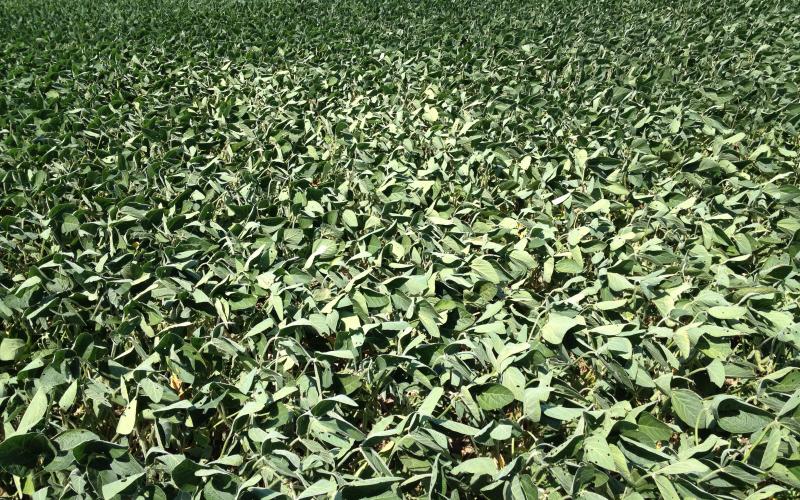
Drought Stress Symptoms in Soybean
Soybeans in South Dakota are in their moisture-critical reproductive stage. Drought stress during this growth stage can significantly impact yield, so here are some things to look for.

Healthy Alternatives to Sugary Beverages
Consuming excess sugar can result in weight gain, increased chronic disease risk, and poor dental health. Learn some expert tips to ‘rethink your drink’ and choose healthier alternatives to sugary beverages!
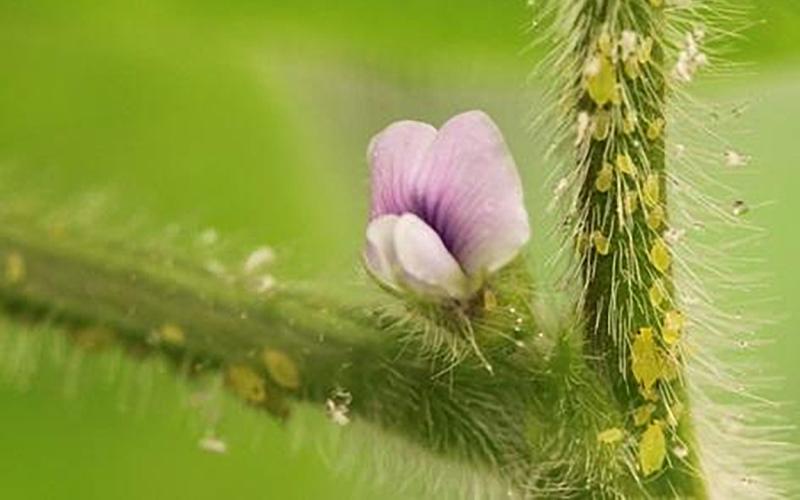
Soybean Aphids Detected in South Dakota
While scouting soybean aphids this week we observed small colonies of 5 to 10 soybean aphid nymphs. This indicates that the soybean aphids are just starting to arrive in South Dakota soybeans and weekly scouting for them should be occurring.
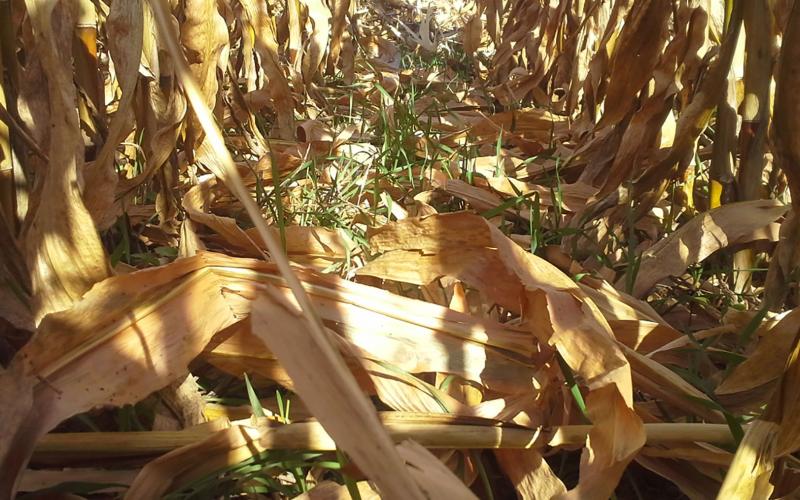
Cereal Rye Cover Crop Between Corn and Soybean
Interest in cover crops has increased in recent times. Cereal rye has been a cover crop of choice among corn and soybean growers in South Dakota due to its superior tolerance to cold temperatures and ability to overwinter in a Northern climate.
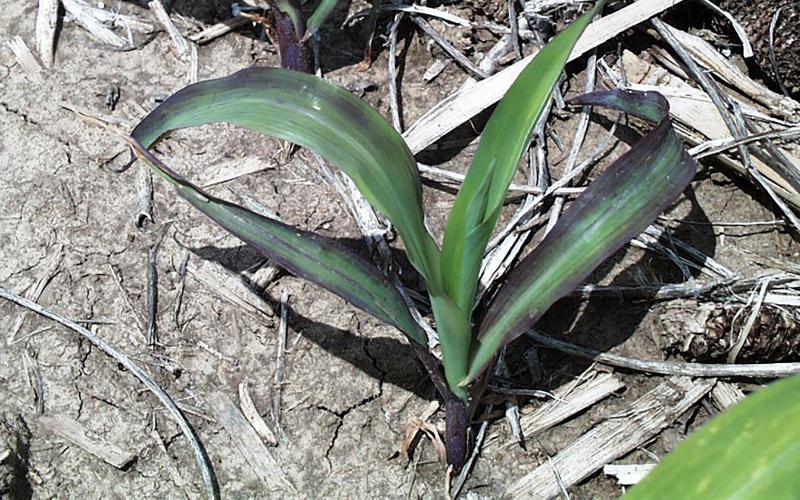
Fallow Syndrome: What is it and how do I deal with it?
Fallow syndrome received its name from the dry plains states, where fields routinely benefited from the additional moisture available after a year where the ground was fallowed. Corn sometimes had symptoms of phosphorus deficiency when grown on this previously fallowed ground, thus it received its current name, “fallow syndrome.”