Search
Dairy
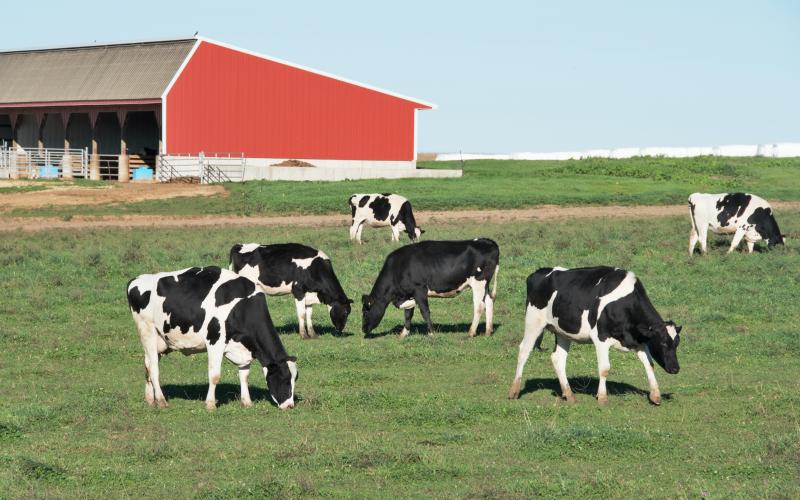
As a member of the I-29 Moo University Collaboration, SDSU Extension connects South Dakota’s producers with peers and industry experts across a five-state region.
How did a Poultry Germ Change to Cause Severe Disease in Calves and People?
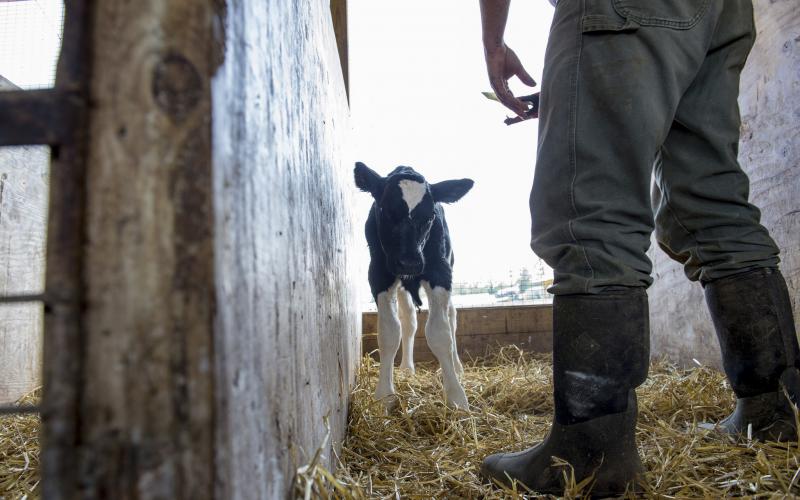
In 2015, a specific strain of a germ called Salmonella heidelberg made 56 people sick in 15 different states.
Alternative Calving Considerations
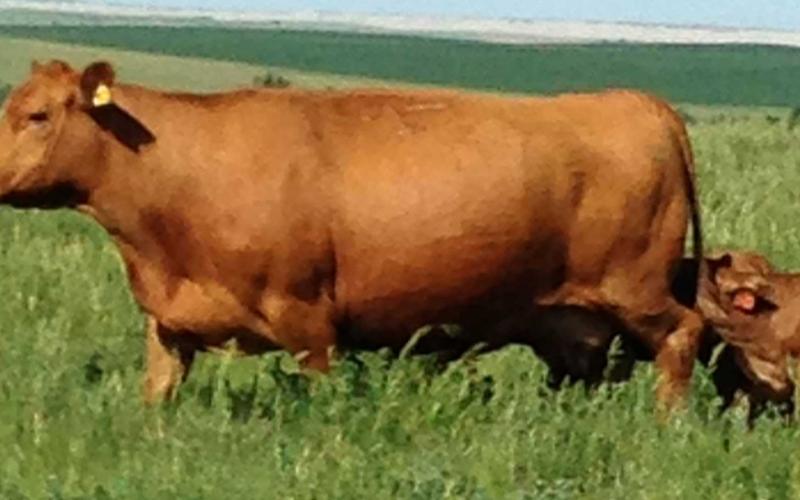
Structuring a calving program that best suites farm and ranch operations can be challenging. Of primary concern are: weather, labor, market timing, and animal health considerations, with weather possibly being the most volatile factor, as it ranges from challenging to catastrophic in some years.
Interpreting Soil Tests for Gardening
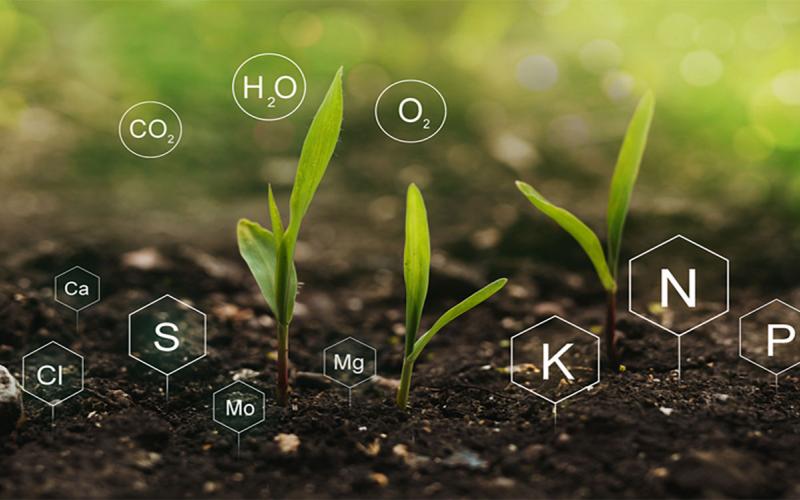
There are many different chemicals that make up plants. These chemicals include hydrogen, carbon, oxygen, nitrogen, phosphorus, sulfur, calcium, magnesium, iron, manganese, copper, boron, zinc, molybdenum, cobalt, and chlorine.
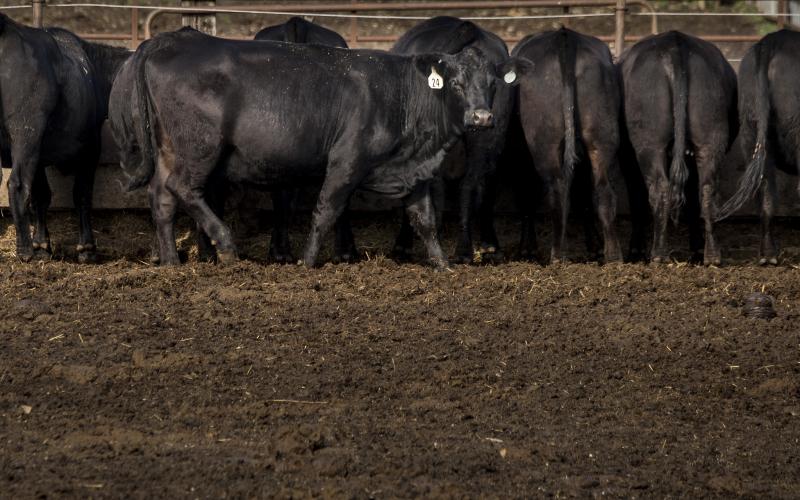
Do Temperament and Breed Type Play a Role in Feeding Efficiency and Carcass Quality?
Is there a relationship between temperament and profitability in cattle? A recent study conducted by Texas A&M University took a closer look at the impacts that temperament and breed types can have on feedlot growth performance, feed efficiency, feeding behavior, carcass characteristics, and value in finishing beef heifers.
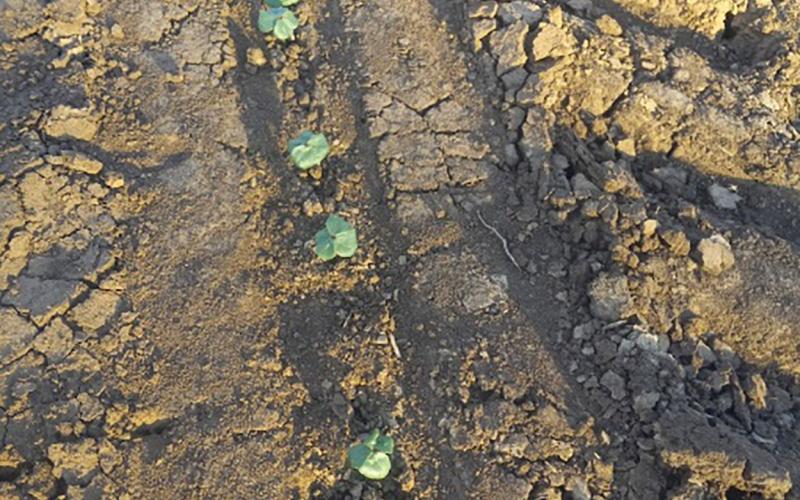
Accounting for Soil Wetness Prior to Conducting Farm Operations to Minimize Compaction
In the spring many agricultural producers are anxious to get into the field and perform tillage, planting, and chemical applications. However, if field operations are done when the soil is too wet, this can lead to soil compaction.
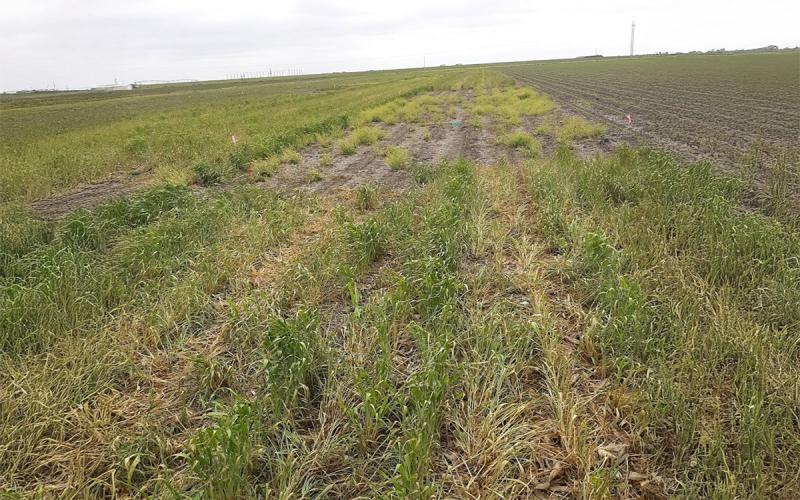
Conserving Soil Moisture During Dry Conditions
Dry conditions can create difficulties for agricultural producers. Using soil health principles can improve the resilience of agricultural systems to dry conditions.

SDSU Extension 4-H to recognize volunteers during 2023 State Fair
August 22, 2023
The 4-H Volunteer Hall of Fame and 4-H Shooting Sports Volunteer Hall of Fame will add seven new individuals during the 2023 South Dakota State Fair in Huron.
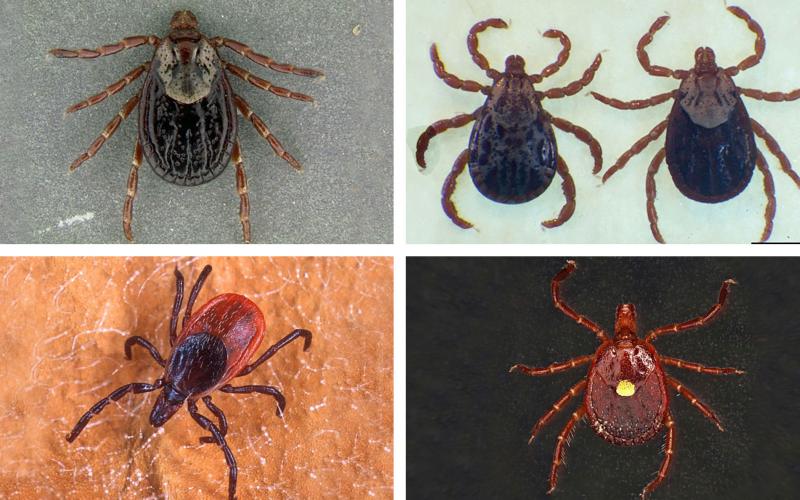
Be On the Lookout for Ticks
Ticks are one of the first pests to show up during spring. Learn some common ticks to watch out for in South Dakota, along with tips for preventing bites and removing ticks from your skin and clothing.
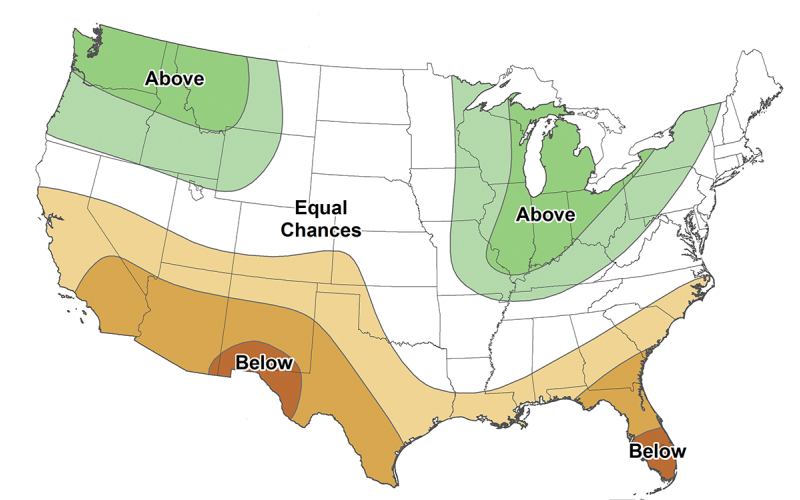
La Niña Expected to Influence 2021-22 Winter Climate
November 23, 2021
La Niña conditions have been officially declared this season by the National Oceanic and Atmospheric Administration (NOAA), but what does that mean for South Dakota’s winter climate, and this year’s outlook in particular?