Search

Johne’s Disease Testing in Beef Herds: Looking at the Available Tests
Once thought to be a dairy cattle problem, Johne’s Disease is increasingly a topic of conversation for beef seedstock and commercial producers alike. An understanding of the Johne’s Disease testing options available is a good first step in devising a herd health plan.

Energize conference inspires small SD communities
January 17, 2025
Hosted in a different South Dakota town of 5,000 or fewer people each year, Energize is an opportunity for community and business leaders to gather, gain new perspectives and share ideas about revitalizing rural communities.
SDSU Extension 2024 Garden Hour webinar series starts May 7
May 02, 2024
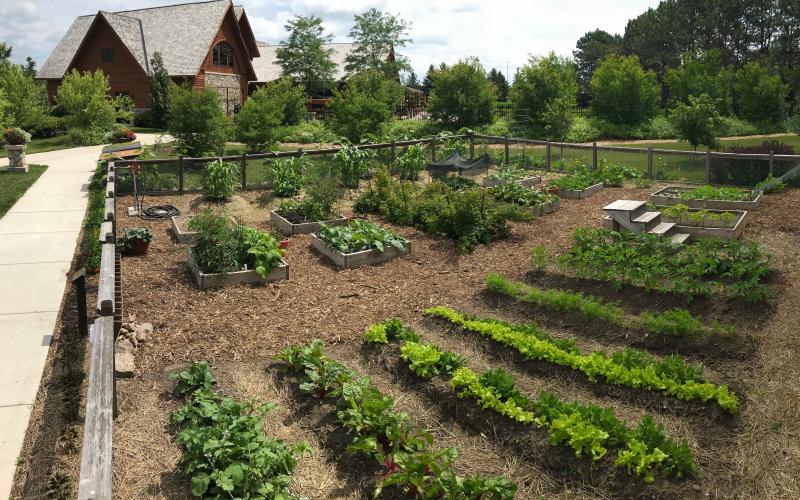
The fourth season of South Dakota State University Extension’s popular Garden Hour webinar series starts May 7, 2024.
Minimizing the Neospora Threat by Using Serology in Beef Replacement Heifer Selection
Neospora caninum is one of the lesser-known causes of infectious reproductive failure in beef herds. It’s always possible for herds to encounter new Neospora infections in a given year, but in herds in which it’s already established, using Neospora serology can be one consideration in choosing replacement heifers.
Test Your Soil for the Soybean Cyst Nematode (SCN) This Spring
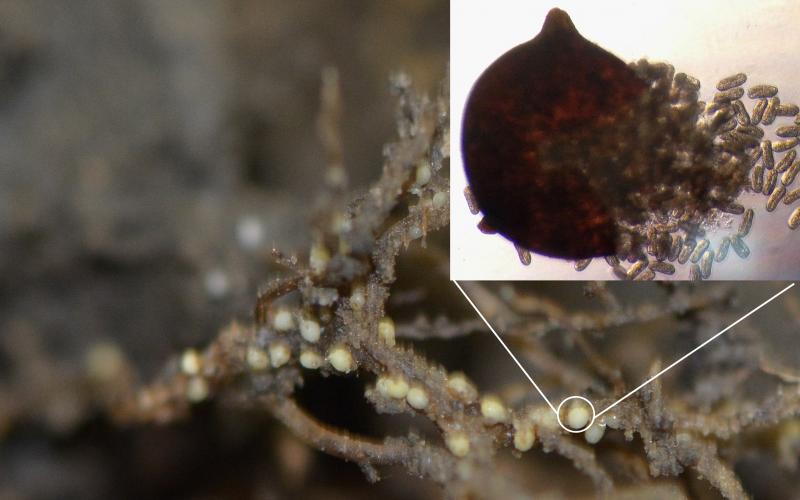
The soybean cyst nematode (SCN) is a major soybean pathogen that causes significant yield loss. Fields that were not tested for SCN last year can still be sampled this spring to determine the presence of SCN or SCN population changes if testing was done in the past.
Trichomoniasis: A Tricky Cause of Reproductive Failure in Beef Cattle
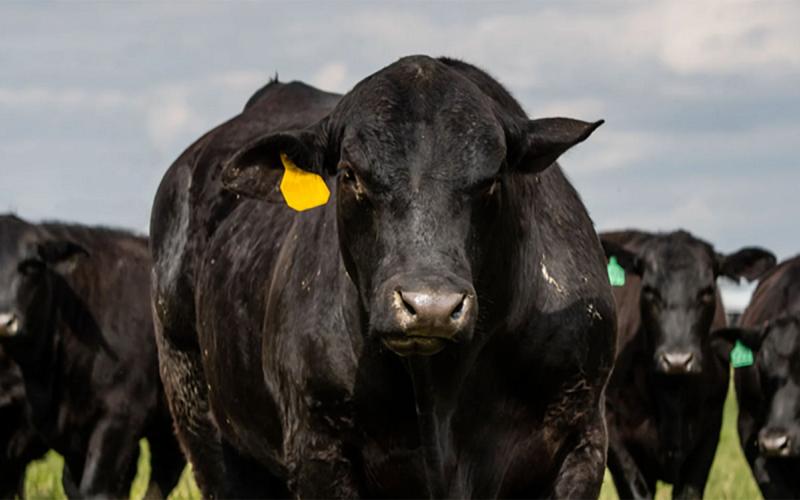
Trichomoniasis in cattle is caused by a protozoal organism that lives indefinitely in the sheath of infected bulls. Once transmitted to a cow or heifer, it causes an inflammation in the female reproductive tract that results in the eventual loss of the pregnancy.

Understanding Suspended Solids in South Dakota's Waterways
Fact sheet on understanding suspended solids in South Dakota's waterways.
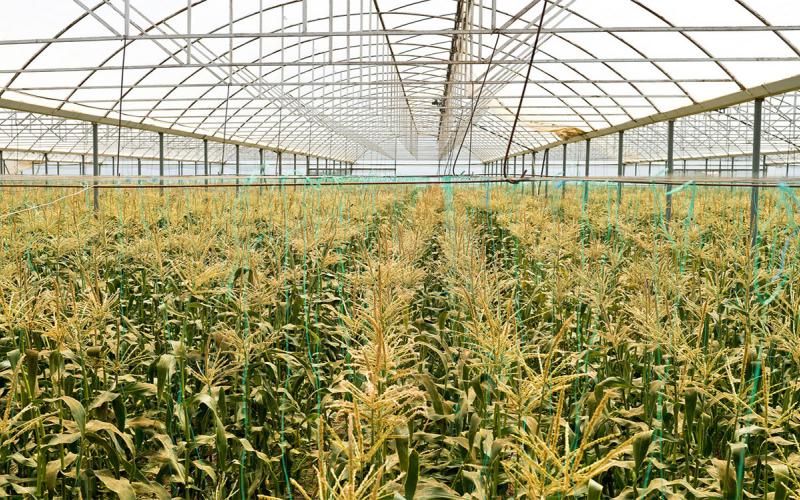
Consumer Demand for Genome-Edited Crops: Implications for Farmers’ Adoption Decisions
Genome-editing is a breakthrough technology for crop improvement that makes site-specific modifications in the genomes of cells and organisms.
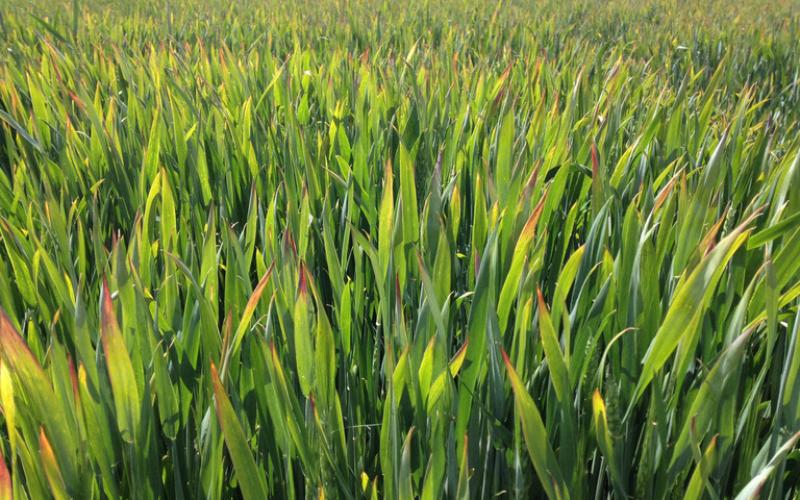
Grass Diseases of South Dakota Identification Guide
Common grass disease identification guide.
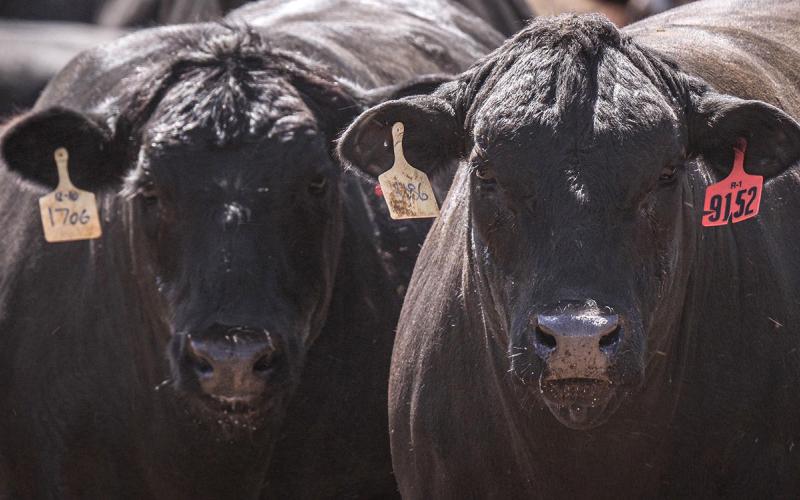
Heat Stress in Feedlot Cattle
High temperatures, humidity and low air movement create the perfect storm for heat stress in feedlots. Learn some expert tips for maintaining performance and reducing losses as we approach the hottest months of the year.