Search
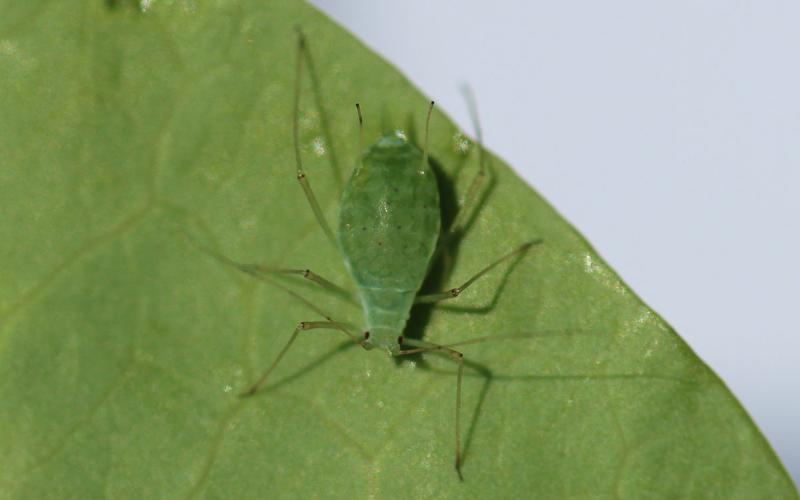
Large Pea Aphids Detected in South Dakota Alfalfa
Pea aphids are a common pest of alfalfa in South Dakota, and large populations have been detected again in 2026. When large populations are present, their feeding can cause the alfalfa fields to take on a “golden” color.

Basis Report Mobile App
The Basis Report mobile app brings the power of the SDSU Basis Report web tool directly to smart phones or tablets, giving producers real-time grain basis bids from elevators across South Dakota.

Frost and Freeze Impacts on Plants
Farmers and gardeners often use the terms frost and freeze interchangeably, but the two are not the same. Understanding these differences, along with the ways frost and freeze impact spring planting, can help protect farms and gardens.
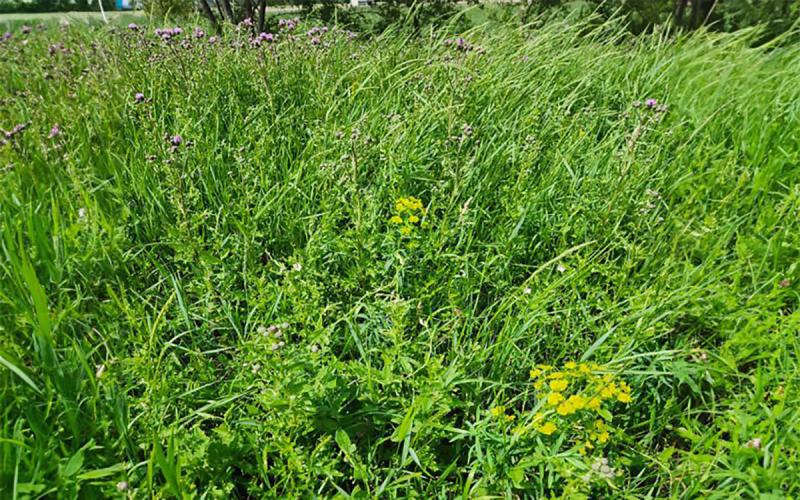
Noxious Weeds Should Be Closely Monitored for Management
Pasture, rangelands and rights-of-way are starting to turn yellow, purple, or even a mix of both due to rapid growth of noxious weeds. Now is the time to implement management tactics to ensure the weeds do not outcompete desirable vegetation and invade adjacent land.
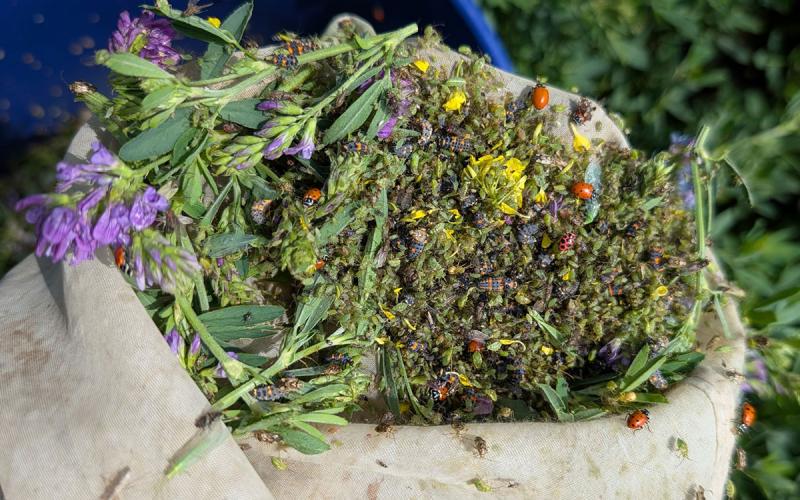
Pea Aphid Alert: Forecasted temperatures could result in rapid population increases
The temperatures during the last week and the forecasted temperatures for next week will potentially encourage rapid pea aphid population growth. Although many fields have been cut recently, pea aphids can still readily recolonize alfalfa.

Grain Report Mobile App
The Grain Report mobile app delivers comprehensive grain market data and analytics for corn, soybean, and wheat producers, traders, and analysts.

Early Season Soybean Infested by False Chinch Bug
At the end of last week, we received several reports of false chinch bugs attacking seedling to early vegetative stage soybean in South Dakota. In these cases very large populations were present on seedling soybeans as well as the ground around them.
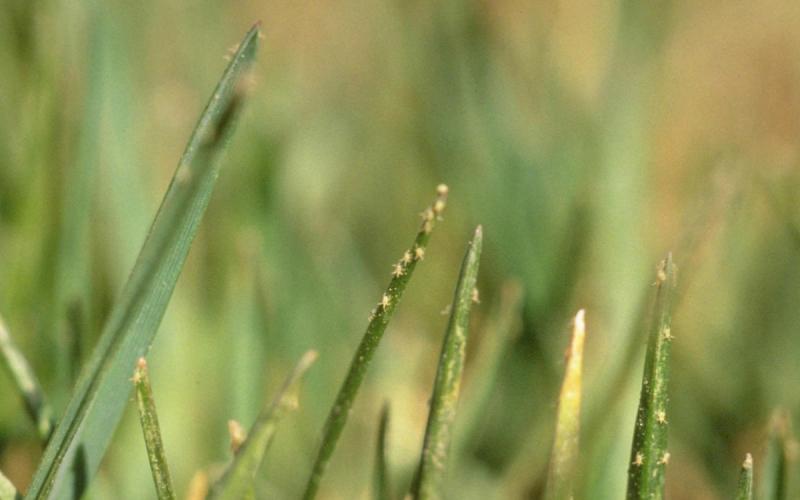
Drought Stress in Wheat Leads to Increased Banks Grass Mite Activity
There have been reports of large populations of Banks grass mites in South Dakota wheat fields. Banks grass mite populations are more successful during hot, dry weather that also increases the susceptibility of wheat due to it being drought stressed.

Keep an Eye Out for Cut Soybean Plants: A Sign of Dingy Cutworm Presence
Dingy cutworms have been observed in South Dakota no-till soybean fields. Their activity will likely continue for at least another couple of weeks.
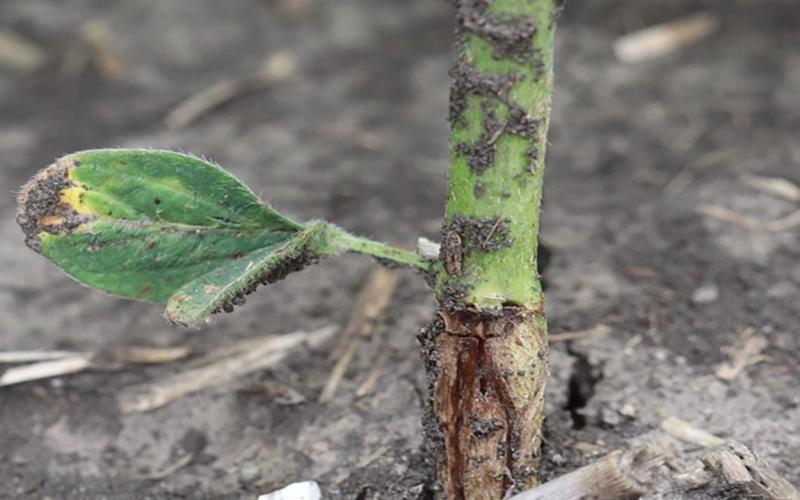
Soybean Gall Midge Larvae Active in South Dakota
Soybean gall midge larvae are active in soybean in southeastern South Dakota. The first symptoms of an infestation during this part of the season vary based on the size of the population within the plant.