Search
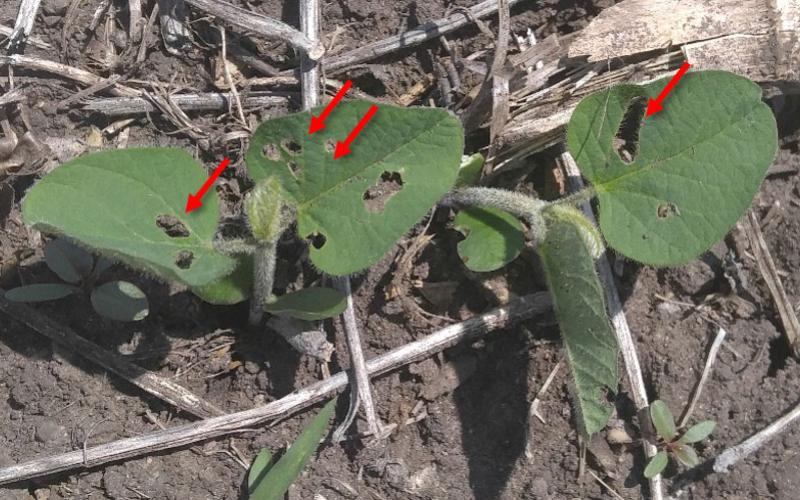
Scout Soybeans for Bean Leaf Beetle Feeding
We are receiving numerous reports and also observing very large bean leaf beetle populations this year. As a result, there is also a lot of concern about soybean defoliation due to the emergence and subsequent feeding by the overwintering adult population.
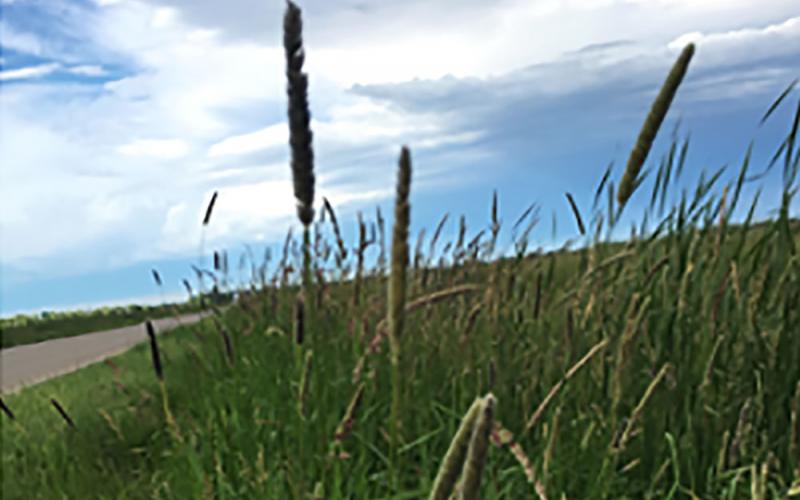
Ditch Hay: Harvesting, Quality, and Feeding
Using ditch hay to feed cattle is a common practice across the U.S. It provides livestock producers with a source of readily available forage, which can be very useful, particularly during feed shortages.
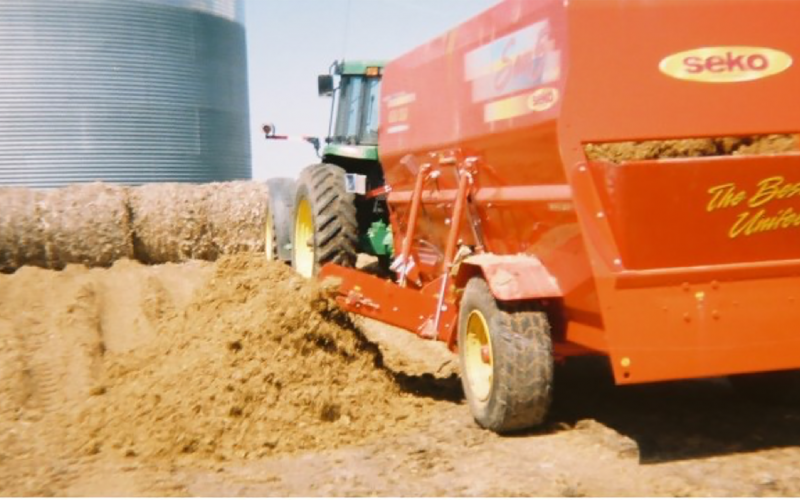
Storing Wet and Modified Distillers Grains
One of the primary challenges for livestock producers in the coming months could very well be feedstuff cost and availability due to the fact that the corn planted acreage and crop progress are both well behind normal benchmarks. One opportunity that might help cattle feeders proactively secure feed supplies would be storing wet or modified distiller’s grains now to be fed at a later date.
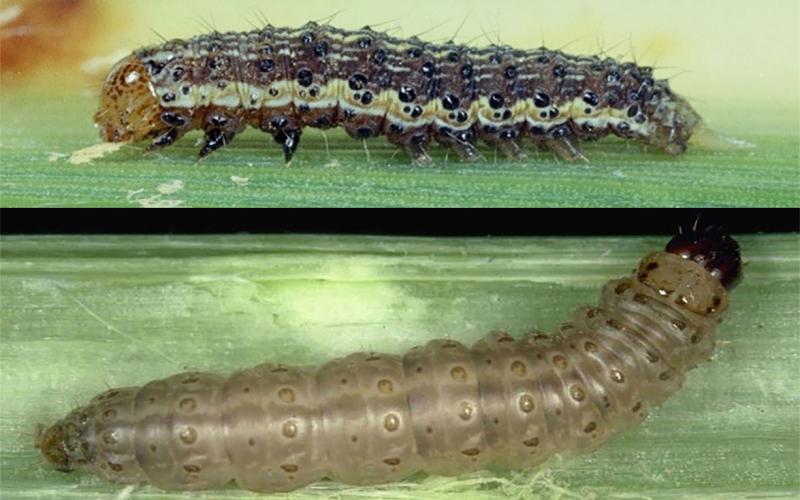
A Case of Mistaken Caterpillar Identity
Tweets about European corn borer (Ostrinia nubilalis) caterpillars in the stems of conventional corn and feeding in the whorls of corn are crossing my Twitter feed. Unfortunately, there is a problem with some of these tweets. Not all of the caterpillars that are being identified as European corn borer caterpillars are actually European corn borer caterpillars!
Herbicide Interactions With Cover Crops After Oats
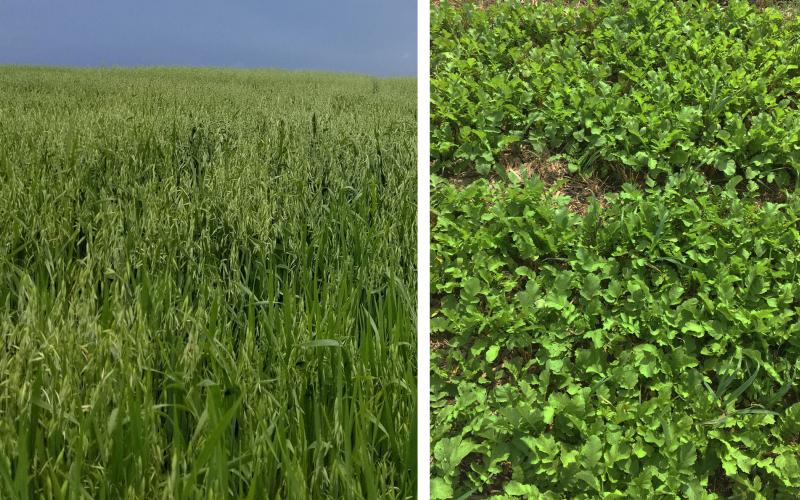
After oats have been harvested, options exist to keep a living root in the soil. This can be done through growing cover crops. In 2018 an on-farm trial was preformed near Salem, South Dakota to observe how cover crops grown after oats would germinate after common herbicides had been applied.
Saving Seed: Will the seed produce plants similar to the plant it was collected from?
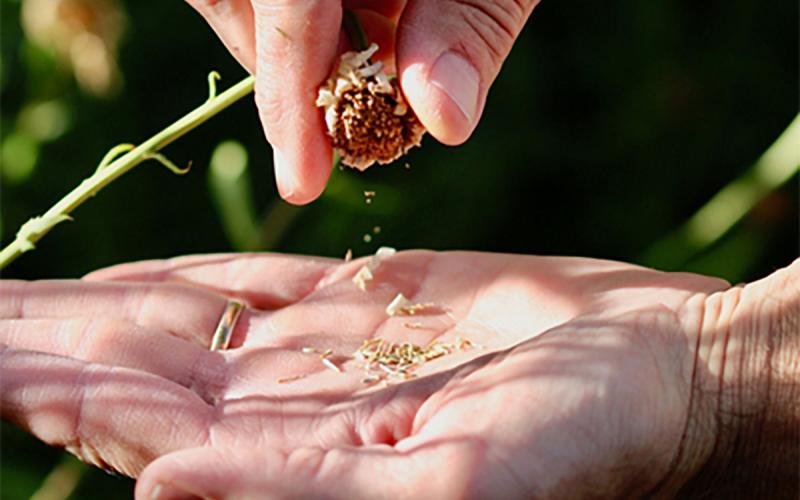
It can be very rewarding to harvest and save seed of ornamental and vegetable plants. But why is it that sometimes when we plant the seed we saved, the results do not seem to be very like the plant we collected the seed from?
Should I Spray for Soybean Aphids? What’s the Threshold?
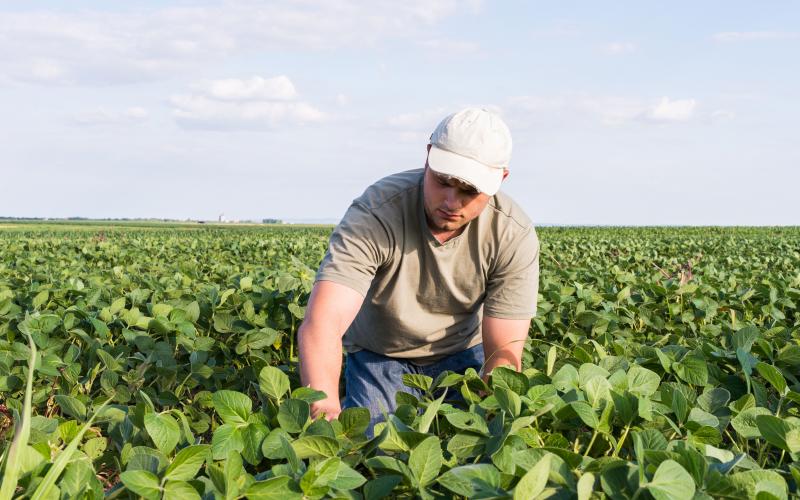
Although many soybean fields are behind schedule, so are the soybean aphid populations. In many reported areas, there are hotspots within a field where a few soybean plants may be heavily infested.
Flood
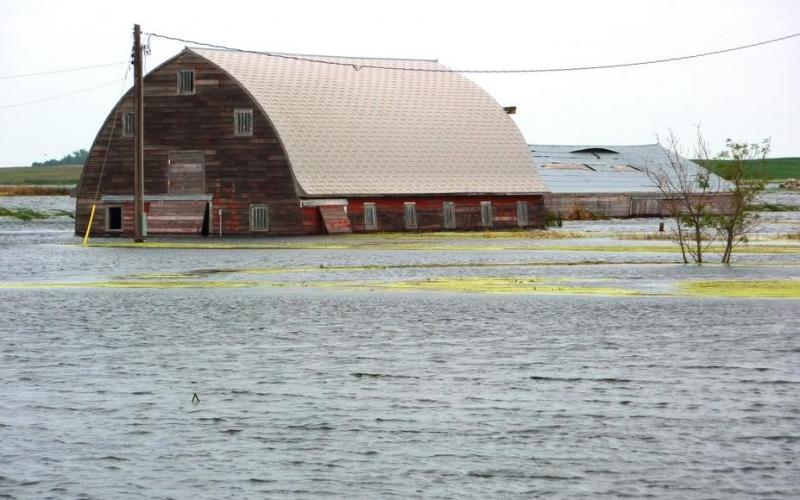
View resources to prepare for and recover from flood situations.
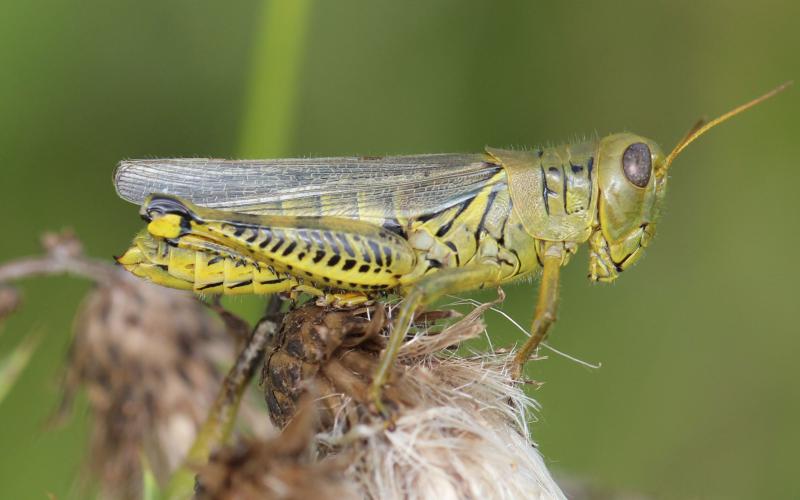
Should I Be Concerned About Grasshoppers When Planting Winter Wheat?
During 2019 we have received varying reports regarding grasshopper populations. Many reports have indicated that grasshopper numbers are down. However, we have also received reports of very large grasshopper populations in some areas of South Dakota. So why such a difference?
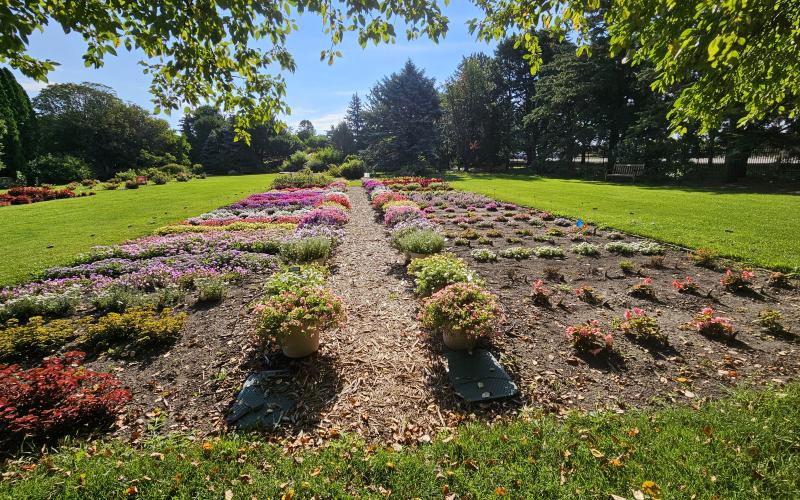
Garden Hour
Make the most of your garden and landscaping with weekly insights and ideas from our team of experts.