Search
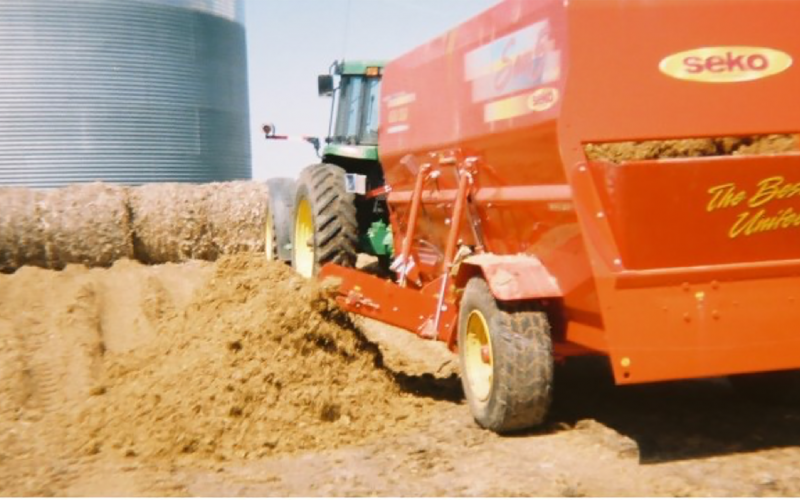
Storing Wet and Modified Distillers Grains
One of the primary challenges for livestock producers in the coming months could very well be feedstuff cost and availability due to the fact that the corn planted acreage and crop progress are both well behind normal benchmarks. One opportunity that might help cattle feeders proactively secure feed supplies would be storing wet or modified distiller’s grains now to be fed at a later date.
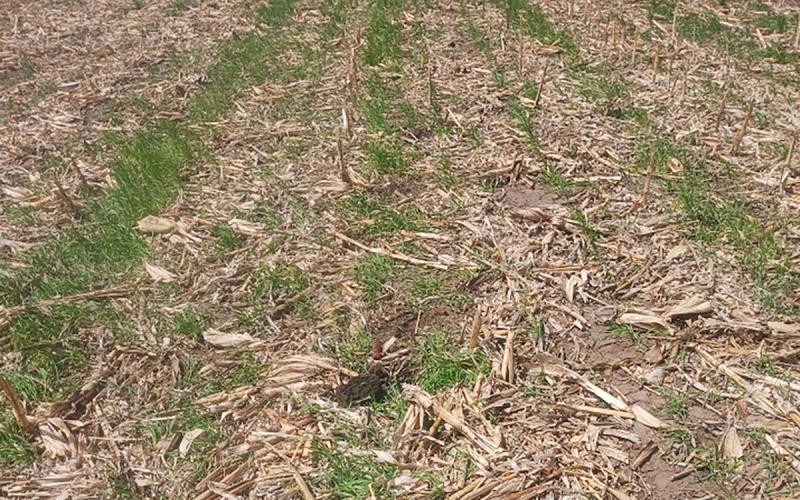
Effects of Different Cereal Rye and Winter Camelina Seeding Rates on Biomass Production and Soil Properties When Broadcast Seeded
Benefits to soil health generally increase as cover crop biomass production increases. Recent research sought to determine how the seeding rate of two cover crop species and mixtures affected biomass production and some soil health indicators.
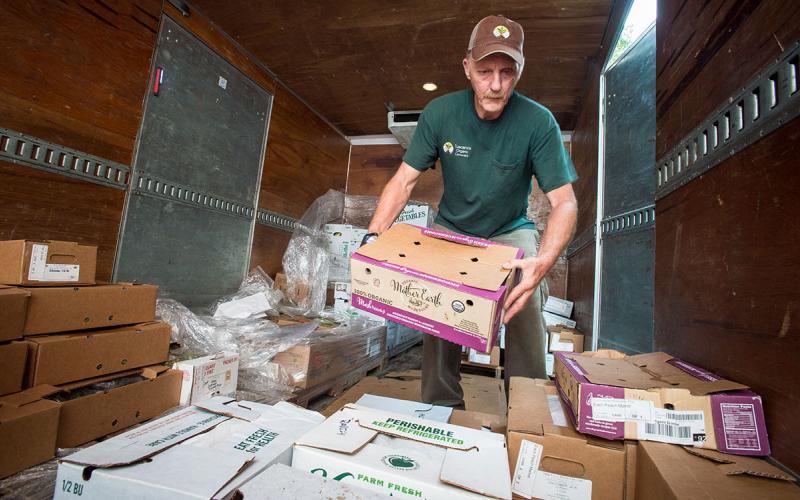
Regulatory Guidance for Selling Foods in South Dakota
Now more than ever, we are seeing food processors and entrepreneurs in South Dakota bringing their food products, not only to farmers markets, but also to retail stores. This article provides regulatory guidance and outlines the necessary steps required to allow for the sale of foods to retail stores.
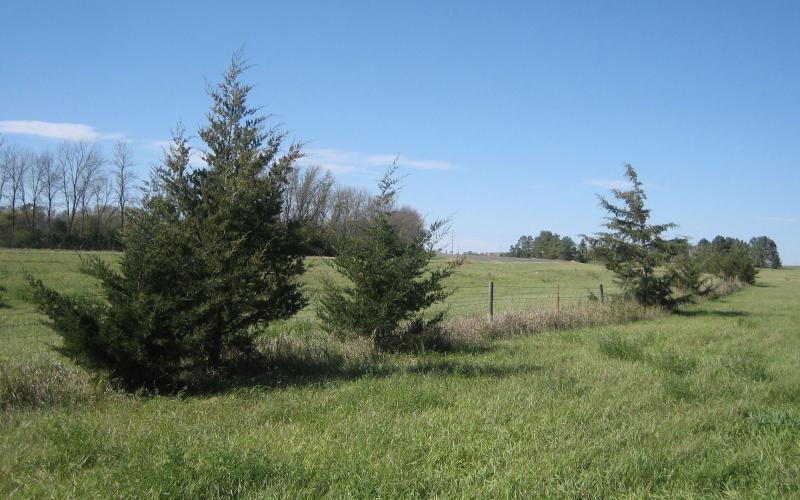
Woody Weeds: Eastern Red Cedar
While eastern red cedar (Juniperus virginiana) is native to South Dakota, and has many positive qualities, it has become a problem species over large areas of the Great Plains.
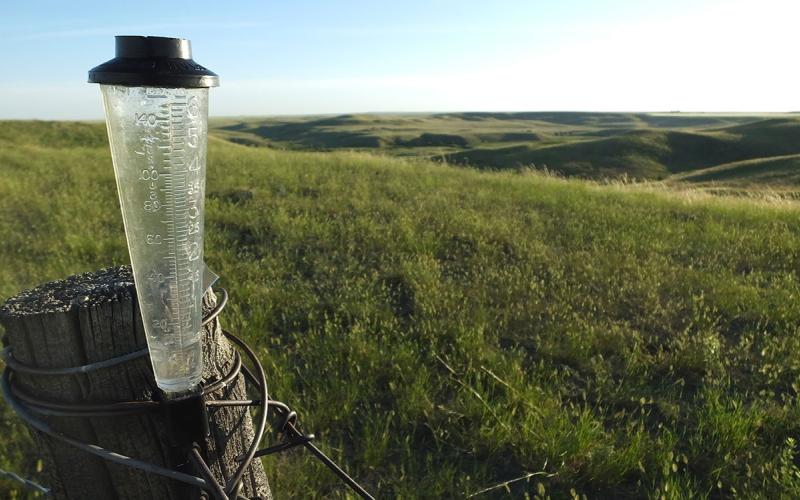
Five Range Management Principles: #5 Climate Ready
Understanding your ranching system is critical, and identifying anticipated soil-plant-animal responses during periods of dry, wet, or normal conditions will enable you to develop climate-ready practices. Learn how to get started today!
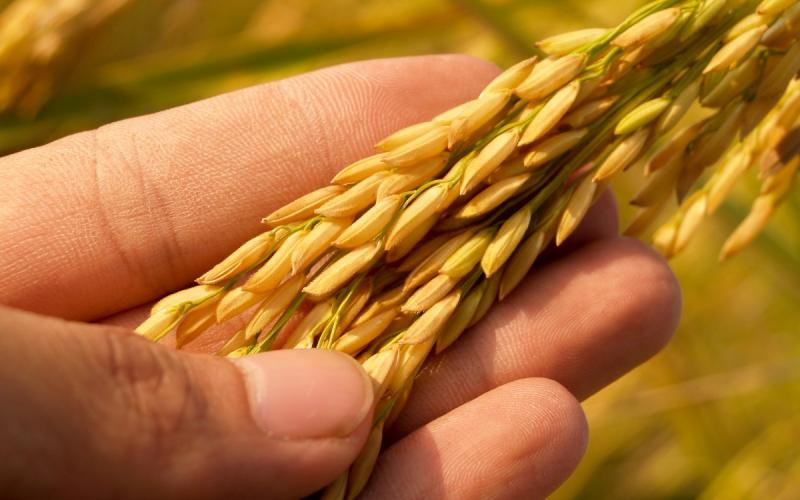
Improving Protein Content in Wheat
Wheat producers in South Dakota always strive to grow a premium product. Quality in wheat often depends on test weight and protein content.
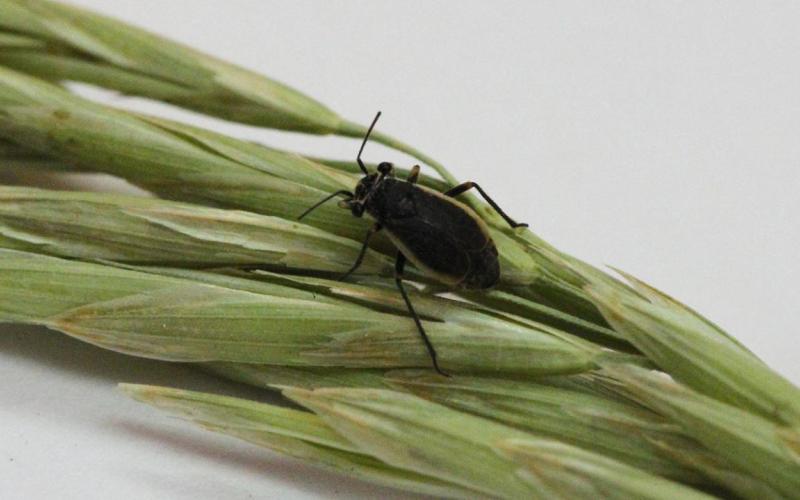
Black Grass Bug Activity Ramping Up
Black grass bugs feed on fresh green growth, which can result in stunted plants and decreased forage quality. Monitoring and potential management of black grass bugs will be of increased importance this spring, especially if drought persists.
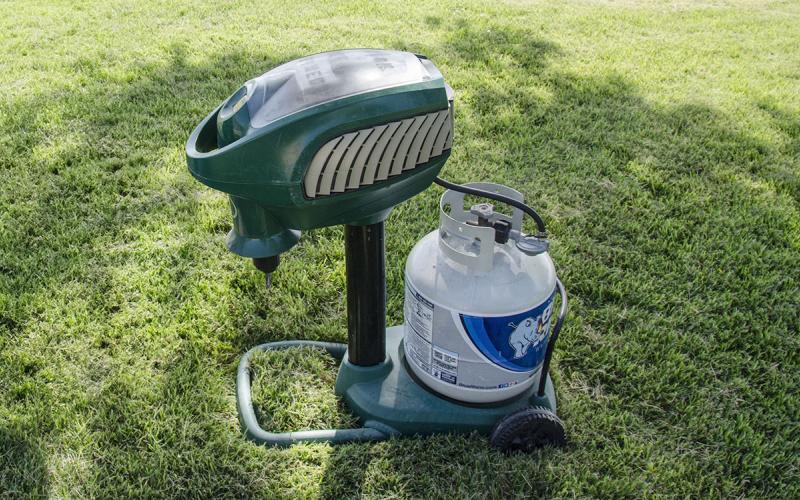
These mosquitoes are awful! What can I do in my backyard to manage them?
Mosquitoes are out in force across much of South Dakota. While there are steps you can take to prevent bites, there are also chemical and non-chemical options available for backyard mosquito control.
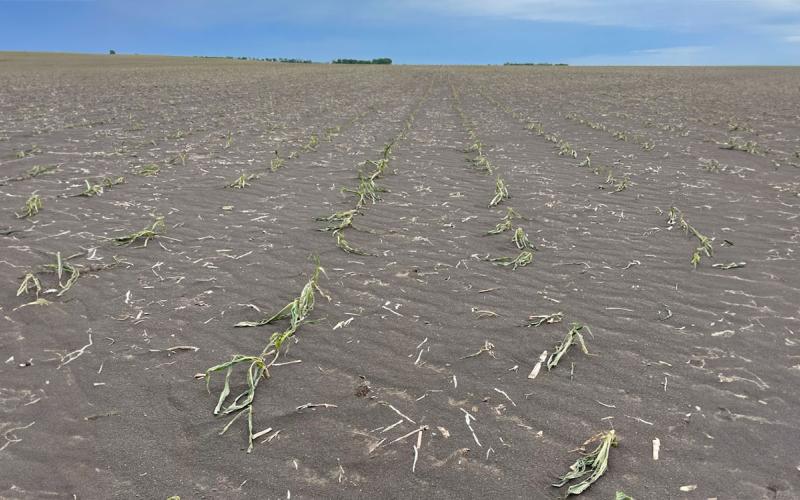
Soil Only Blows During Droughts?
What causes soil to blow during periods of adequate moisure? High winds can rapidly dry soil close to the surface. If the winds are high enough, even soil at intermediate water contents can blow.
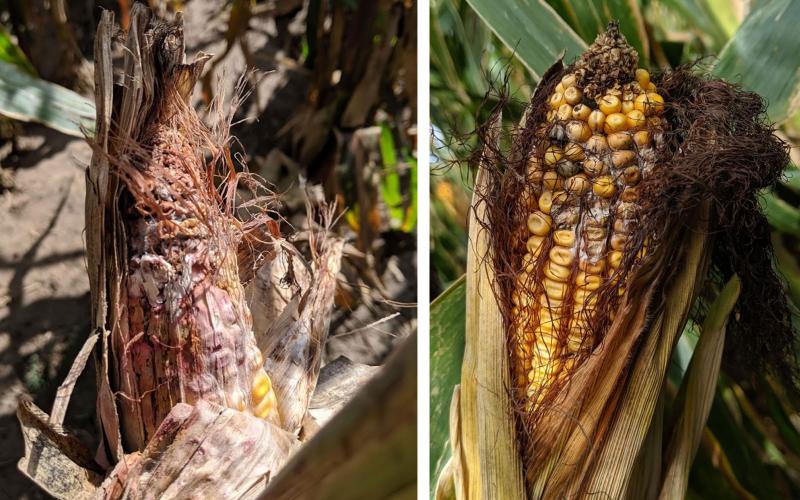
Gibberella and Fusarium Ear Rots Developing in Corn
Corn ear rots are one of the last diseases to scout for in the corn growing season, and sometimes they are ignored or forgotten entirely. Ear rots can cause yield loss in the form of grain quality at harvest, but also cause losses during storage.