Search
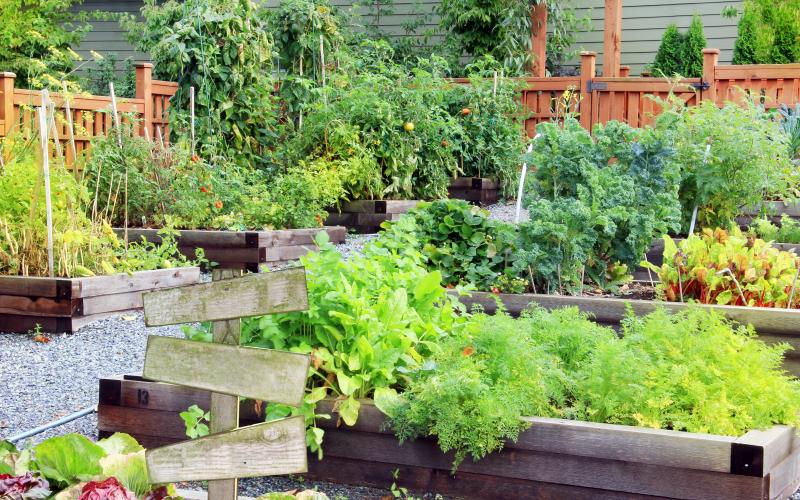
Growing Sweet Corn in South Dakota
Sweet corn is a delicious vegetable enjoyed by both kids and adults. It is popular in the mid-to-late summer and is often bought at stands on street corners and grocery stores throughout small towns in South Dakota. What many people don’t know, however, is that sweet corn is a remarkably easy vegetable to grow yourself. All you need are a few essential materials and some basic knowledge to grow your own delicious sweet corn.
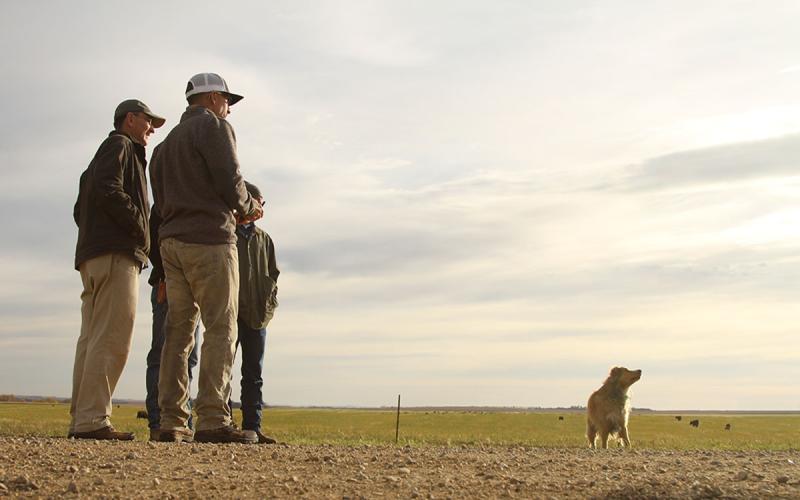
Spring Planting and Grazing Adjustments During Drought
Dry springs mean management changes for both farmers and ranchers as they plan for summer. Learn some important considerations for planting and grazing during a dry spring.
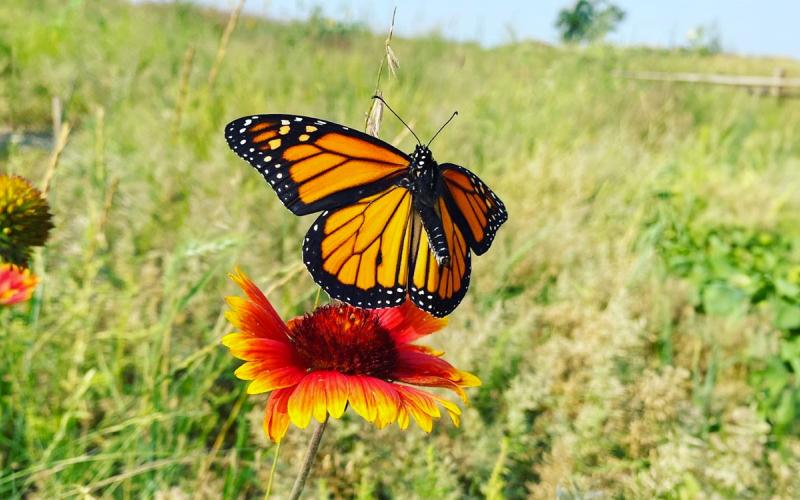
SDSU Extension to host Backyard Natural Resources series
May 01, 2025
South Dakota State University is pleased to announce the second year of its virtual Backyard Natural Resources series on May 6, 8, 13 and 15, 2025.
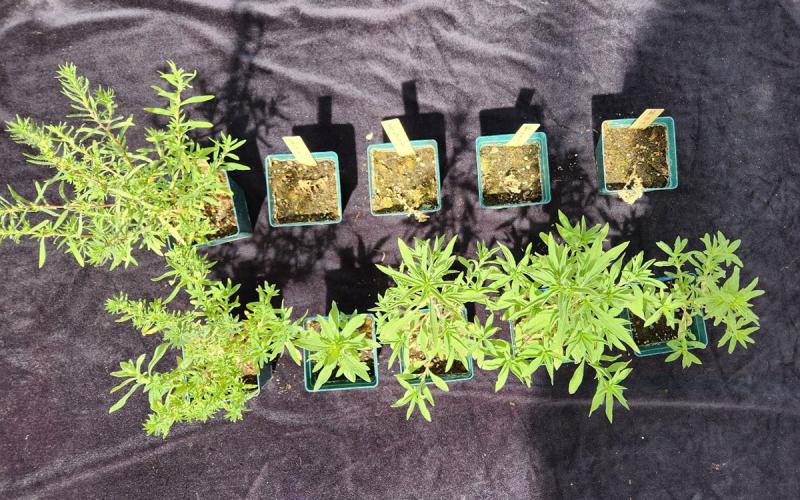
Saflufenacil-Resistant Kochia Confirmed in South Dakota
Saflufenacil is an herbicide that can be applied at a burndown timing before most South Dakota crops to effectively manage kochia. However, overreliance on saflufenacil has selected for resistant kochia in our region.
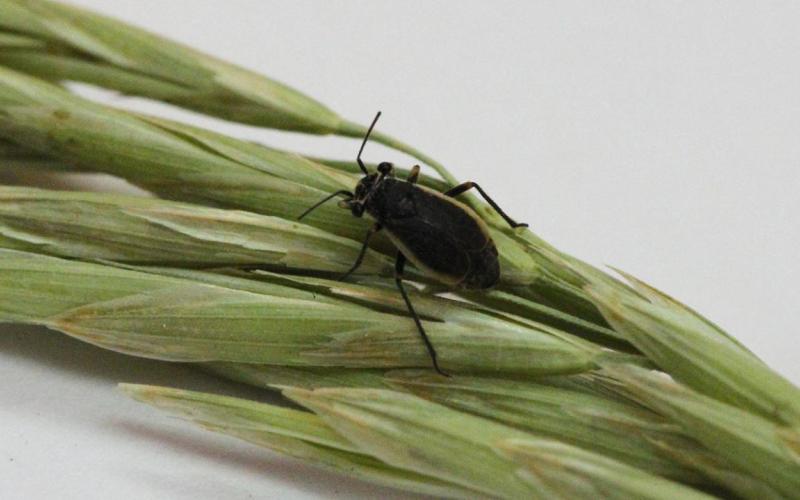
Black Grass Bug Activity Ramping Up
Black grass bugs feed on fresh green growth, which can result in stunted plants and decreased forage quality. Monitoring and potential management of black grass bugs will be of increased importance this spring, especially if drought persists.
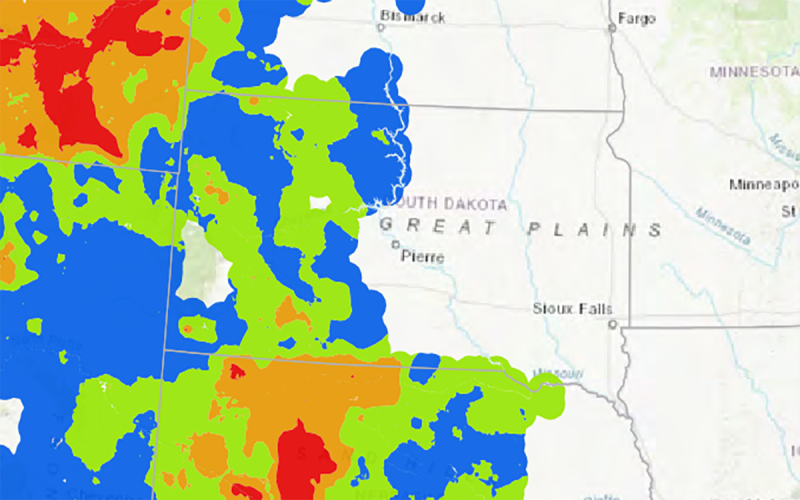
South Dakota Grasshopper Prediction for 2025
In 2025, it is likely that grasshopper populations will once again reach levels capable of causing issues in some areas of the state. Scouting should begin shortly after planting in areas where they were problematic in 2024 and continue throughout the growing season.
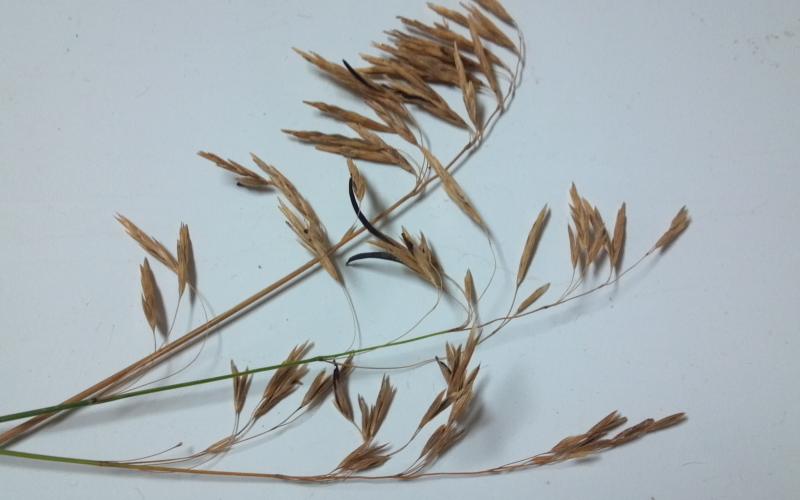
Ergot: A Potential Livestock Poisoning Problem
Cool, damp weather followed by warmer temperatures favors grasses becoming infected with ergot bodies, which can cause a certain kind of poisoning that can affect cattle on pasture.

Using Corn Wisely for Replacement Heifers
Producers’ goals are to maximize returns and this could be achieved through least-cost rations that provide the desired performance.

2018 Field Plot Summaries for Corn: Fungicide Trials
This document contains results of corn field trials conducted during the 2018 growing season to evaluate foliar fungicides to manage various corn diseases.

2018 Field Plot Summaries for Oat and Sorghum Foliar Disease Management Trials
An oat crown rust integrated management trial and a sorghum foliar fungicide trials were conducted to determine the efficacy of fungicides to manage crown rust and fungal diseases in oat and sorghum respectively. Crown rust is one of the most devastating diseases of oat in the state. Stragego fungicide was applied at three different timings to determine the most effective timing for crown rust management. For sorghum, the study investigated the efficacy of two different rates of Nexicor for managing sorghum foliar diseases. The oat field experiment was maintained at Northeast Research Farm (NERF), Southeast research farm (SERF) and Volga research farm. The sorghum experiment was at Volga.