Search
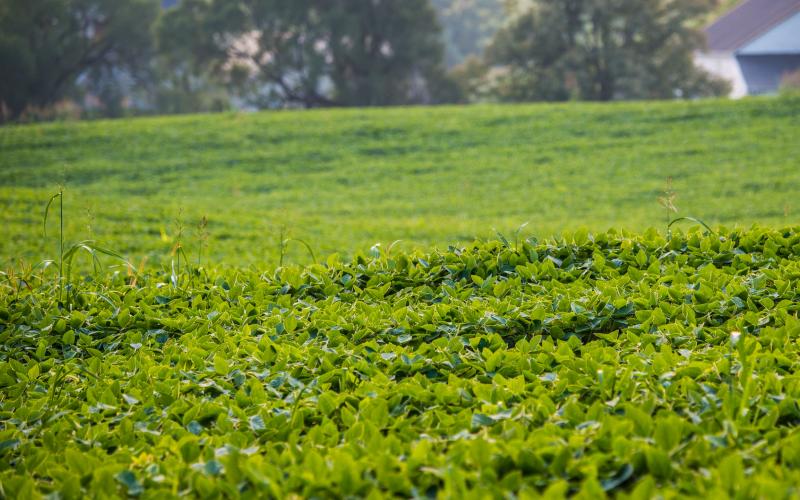
Soybean Growers Sought for On-Farm Research Program
We want you! SDSU Extension and the South Dakota Soybean Research and Promotion Council are seeking South Dakota Soybean Growers willing to participate in a farmer-led on-farm research program.
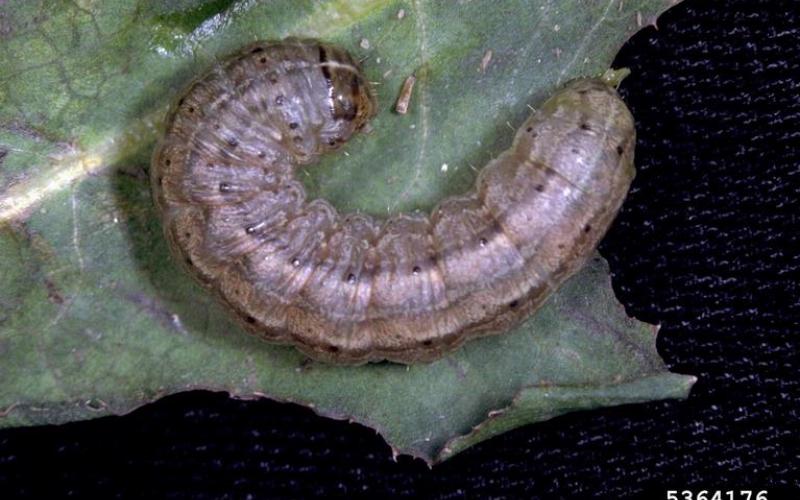
Monitor Alfalfa for Cutworm Activity
During the spring, there are a lot of insects to scout for in alfalfa. One pest group that should be focused on right now are cutworms. There are a couple of cutworm species that are active earlier in the season than others.
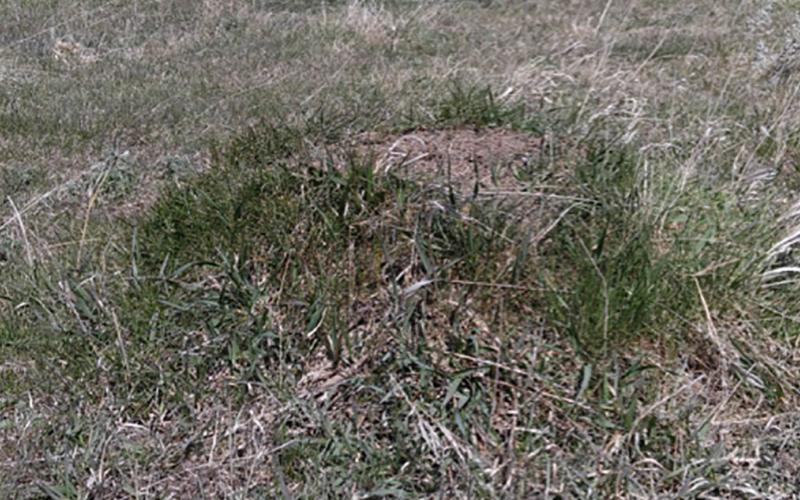
Are Ant Mounds in Pastures Bad?
We often receive reports of large ant mounds in a pastures and rangeland. These mounds are the creation of thatching ants, which are common in South Dakota. Although these mounds are often considered a nuisance, the ants may play an important role as predators of potential pest insects.
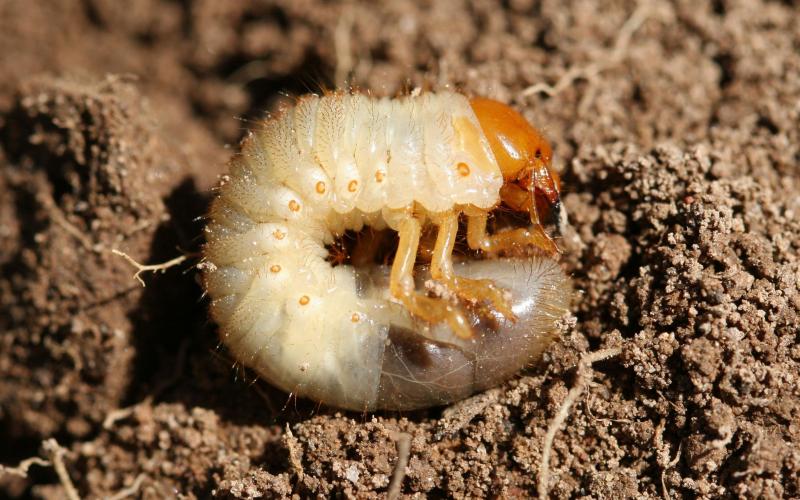
2019 June Beetle Update
In the spring of 2016, we received reports of large populations of June beetles in Central South Dakota, which indicates the start of a new cycle for the grubs. Based on these reports, it is estimated that 2019 will be the big emergence year if the 2016 adults were successful and their grubs survived.
Be on the Lookout for Black Grass Bugs
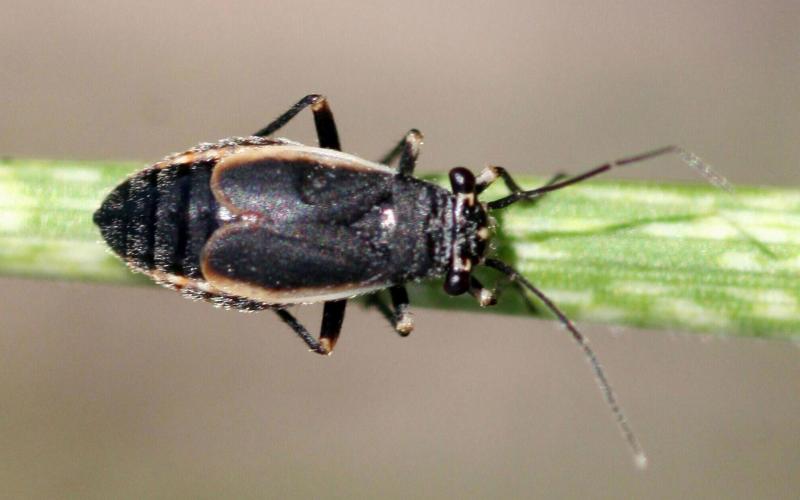
It’s time to begin scouting pasture and wheat for the presence of black grass bugs. Last year, we saw the highest populations in areas of Central and Southwestern South Dakota. If left untreated, black grass bug populations tend to increase year after year.
Wet Feet in Wheat
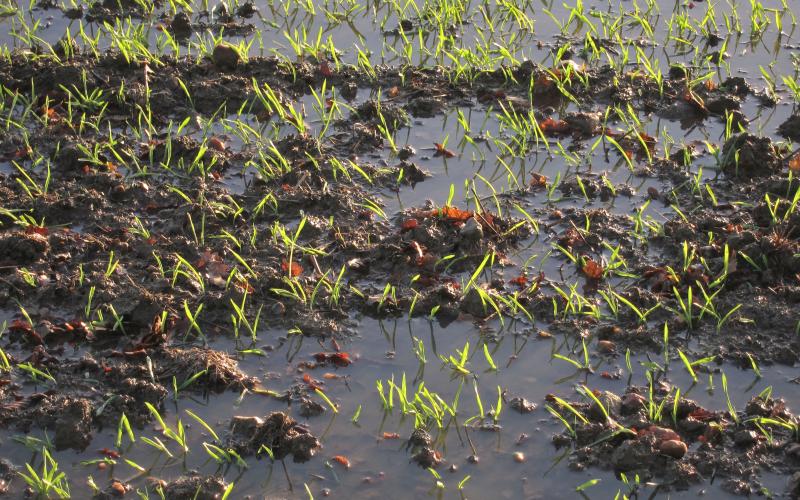
Given the widespread wet conditions present this spring, there are many areas in winter wheat fields with both ponding and saturated (or waterlogged) soils. Producers may want to consider soil conditions and evaluate extended weather forecasts when deciding whether or not to retain a winter wheat this spring.
Time to Start Scouting for Cutworms in Winter Wheat
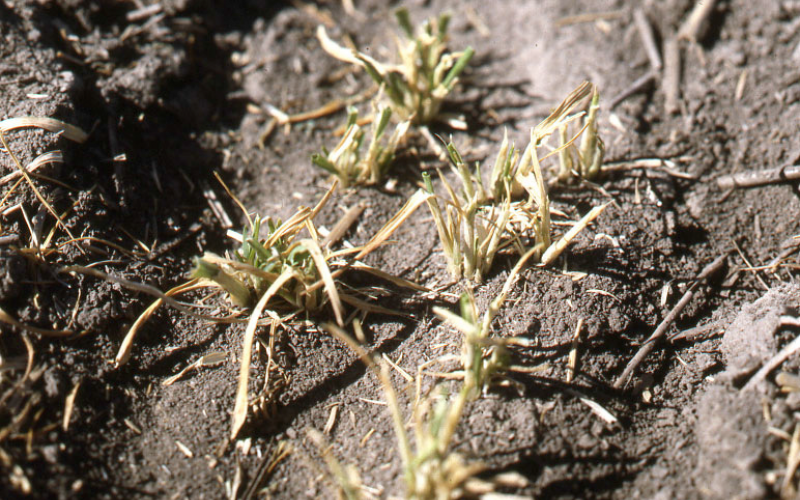
Eventually, South Dakota will warm up. The warmer temperatures will increase insect activity, including pests. For wheat, a couple of early season pests that may already be active are the army cutworm and the pale western cutworm.
May 2019 Climate Outlook: April Showers Bring May Showers?
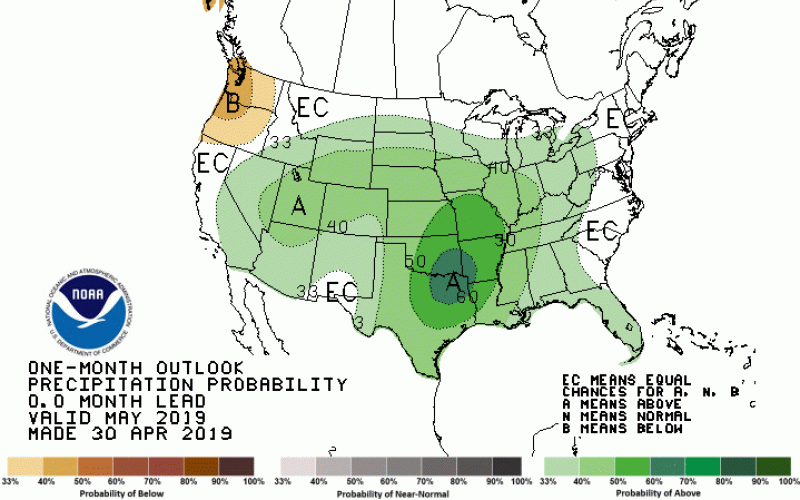
The precipitation outlook for May does not show much promise of relief from moisture, as wetter than average conditions are slightly more favored than drier conditions. In addition, cooler than average temperatures are more likely for the first half of May and could continue for much of the month.
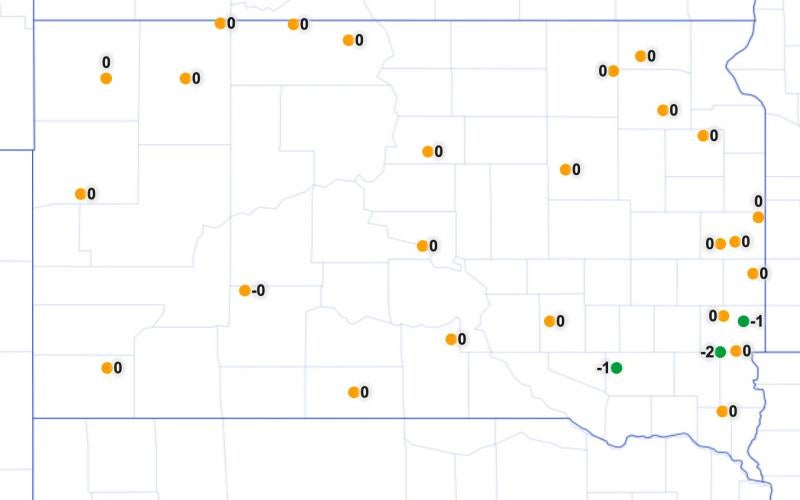
Use the SD Spray Tool for Inversion Detection and Weather for Pesticide Application
The SD Mesonet Spray Tool provides real-time weather data for pesticide applicators. This dedicated website for pesticide applicators uses the SD Mesonet weather data, which is updated every five minutes.
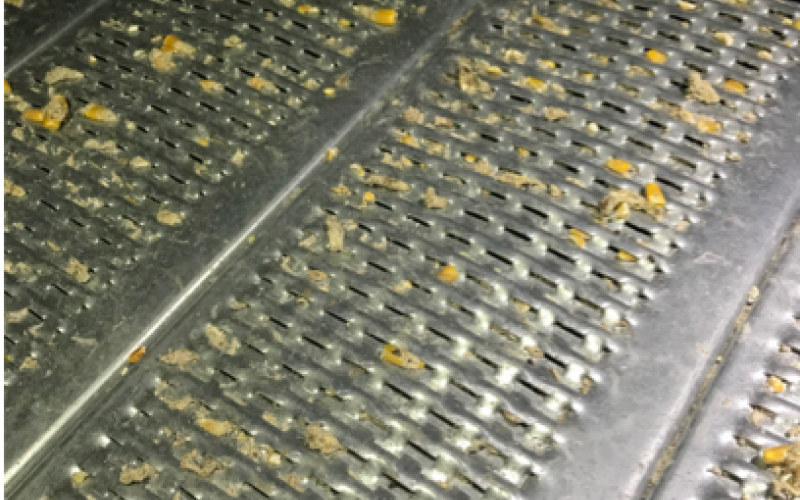
Stored Grain Pests: Spring Insect and Disease Issues
Grain storage is a key component in getting your crop to market. Aside from watching bins for spoilage, moisture, and temperature changes, make sure you are looking for signs of pest infestation.