Search
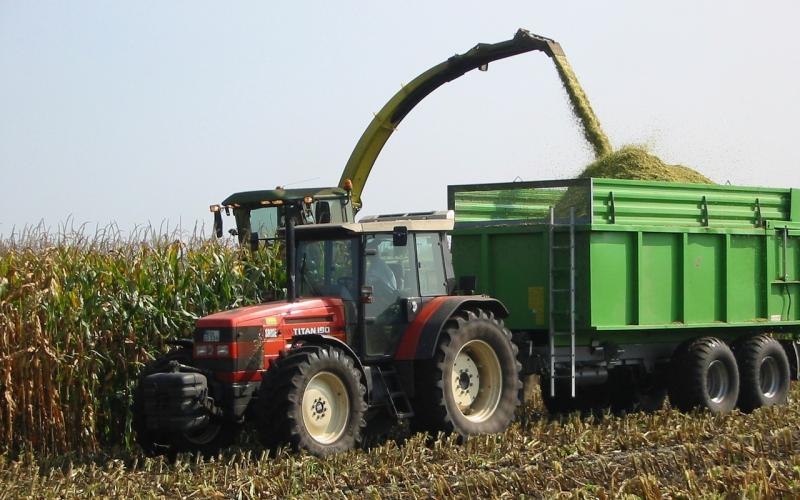
Silage: Minimizing Losses and Maximizing Value
Optimizing silage value starts by harvesting at the right moisture content.
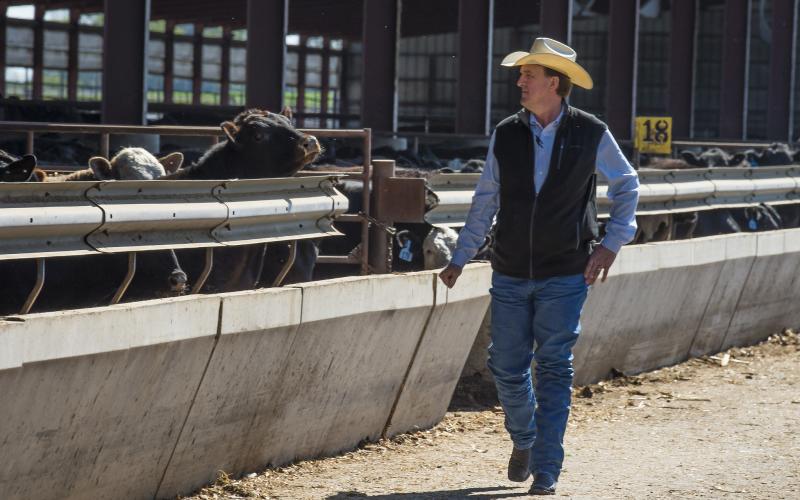
Making Use of “Ugly” Feeds
Feed does not have to be perfect to be useful. The key to making smart feeding decisions is knowing what the imperfections are and adjusting accordingly.
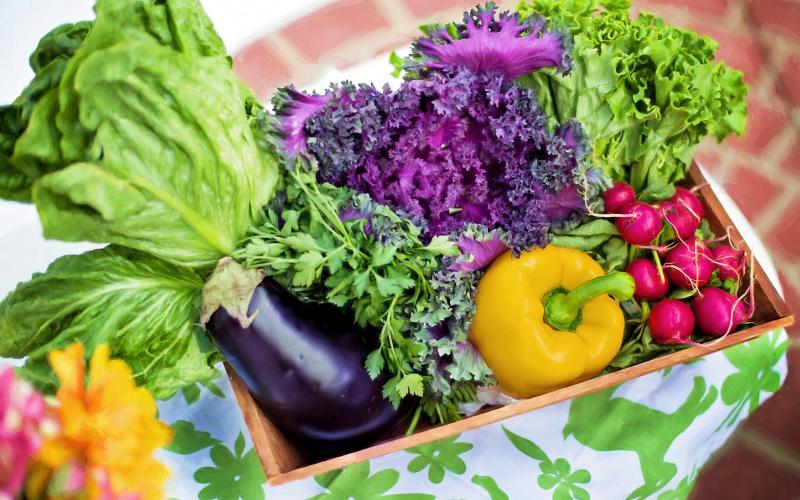
Family Fun With Gardening
Gardening is a fun way to incorporate physical activity into your day, and is a great way to connect kids to where their food comes from!
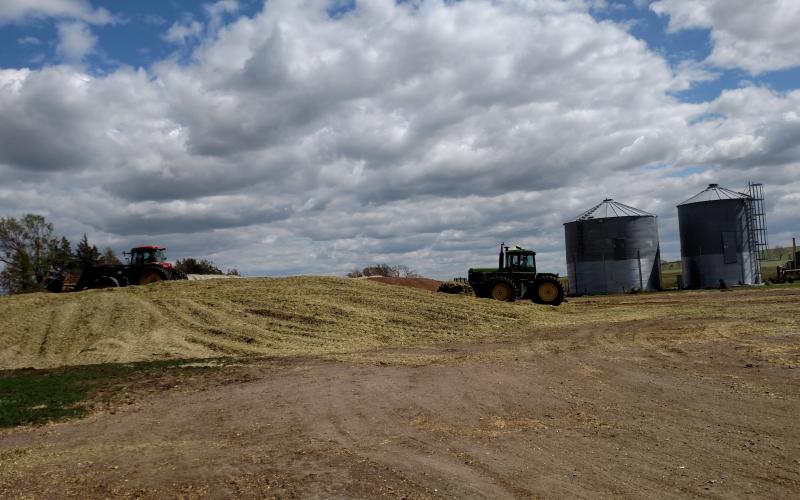
Silage Moisture Testing Tips
Two key points to keep in mind when making high-quality silage are moisture content before harvest and nutrient content before feeding.

Listening, Learning, Leading: 2018 Impact Reports
View the impacts of SDSU Extension’s state-wide network of dedicated professionals.
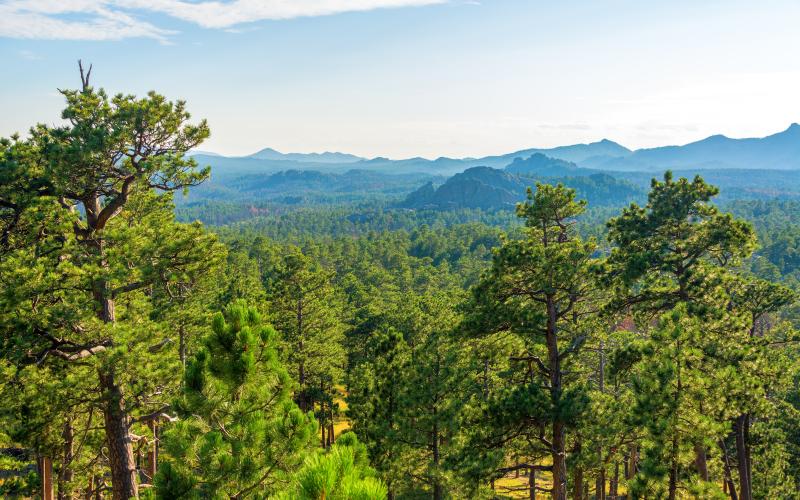
Junior Arborist Activity Guide
The Junior Arborist Activity Guide provides objectives, content, equipment and supplies needed to complete 8 modules of arboriculture instruction, helping schools and other educational programs to create a youth arboriculture program of their own.
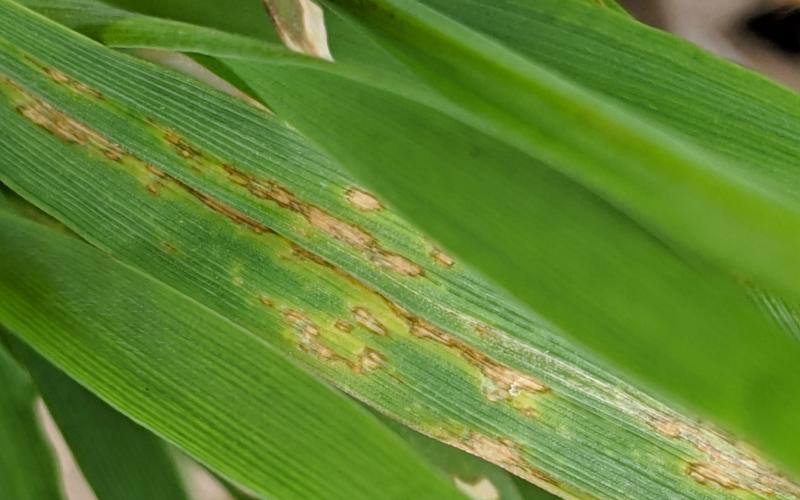
Bacterial Leaf Blight Developing in Winter Wheat
Recent winter wheat scouting found bacterial leaf blight developing in some fields. Bacterial leaf blight is caused by the bacteria, Pseudomonas syringae pv. syringae. The disease develops under frequent rains between 59 and 77 degrees Fahrenheit.
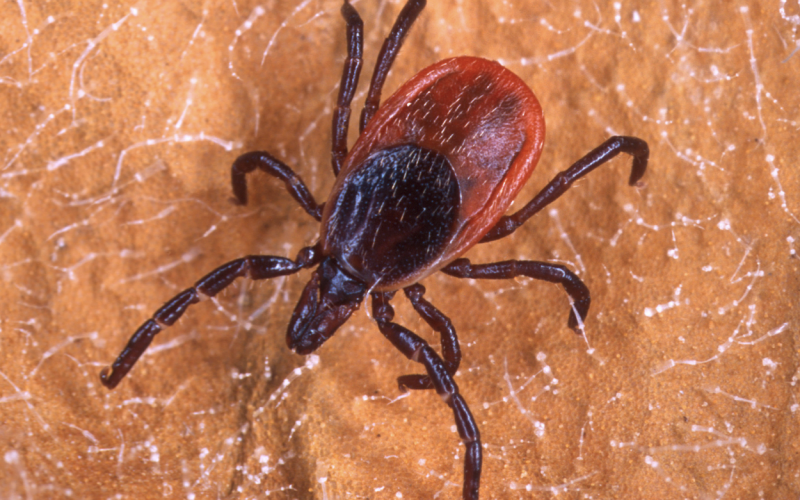
Protecting Yourself From Ticks
During wet springs, tick populations tend to thrive in South Dakota. These parasitic arthropods require blood to fulfill their nutritional needs and commonly use humans as a host. Some ticks can also carry bacterial diseases that are a threat to human health.
An identification guide to common Ticks of South Dakota
A guide to identifying common ticks in South Dakota
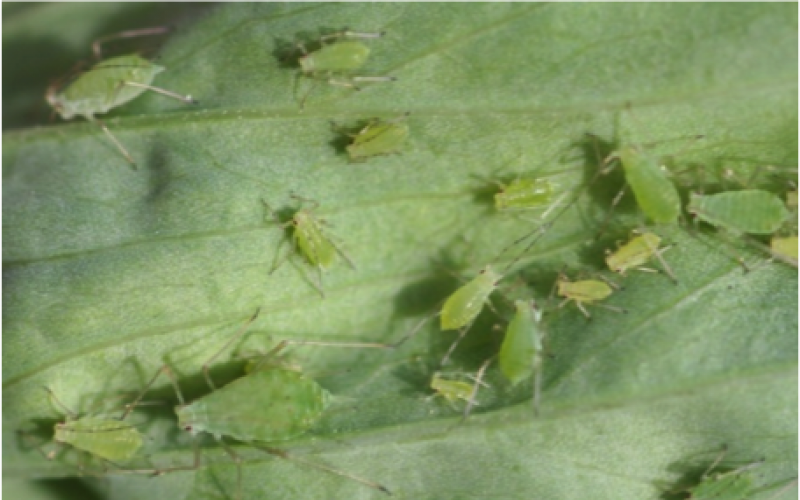
Soybean Aphids in South Dakota
Factsheet on Soybean Aphids in South Dakota