Search
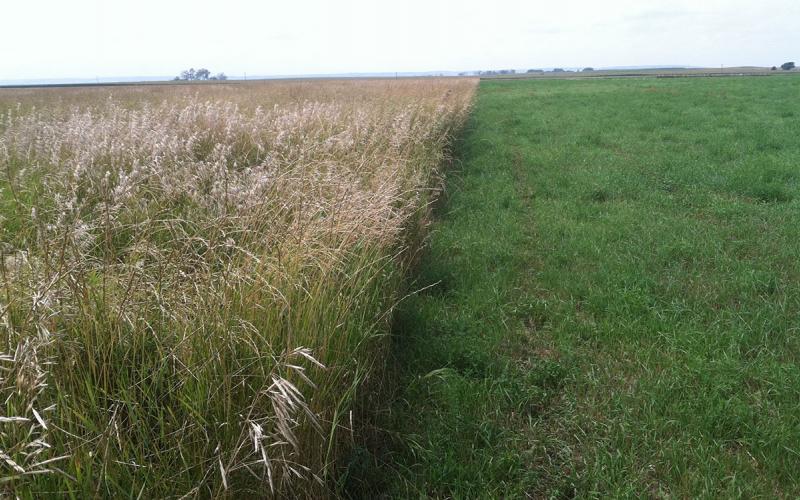
Grassland Fertilization: Exotic Grass Planting Case Studies - McPherson and Jerauld Counties
Our previous installment of this series discussed the effects of fertilization on native grassland plantings. This last installment addresses the options for fertilization on low-diversity exotic grassland plantings.
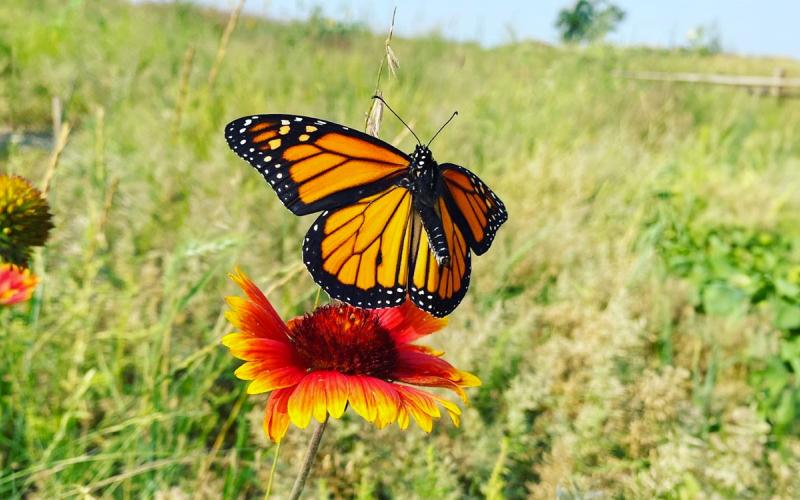
SDSU Extension to host Backyard Natural Resources series
May 01, 2025
South Dakota State University is pleased to announce the second year of its virtual Backyard Natural Resources series on May 6, 8, 13 and 15, 2025.
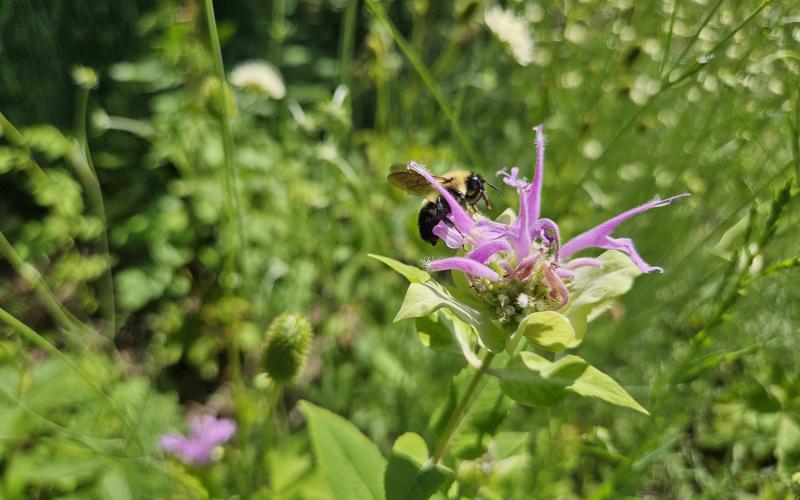
Managing Forests for Pollinators
Fact sheet on the importance of managing Black Hills forests for pollinators.
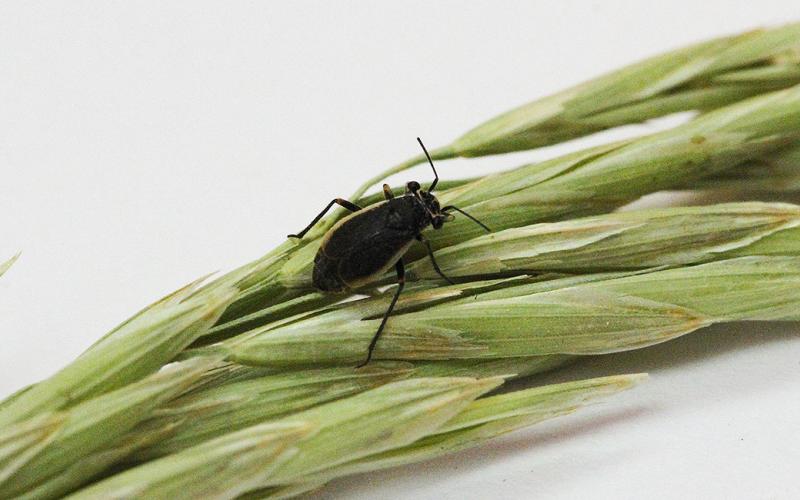
Black Grass Bugs May Cause Issues if Drought Persists
In western South Dakota, black grass bugs are a common spring forage pest that can cause considerable damage during periods of drought. Learn how to monitor and manage this pest to protect your forages this spring.
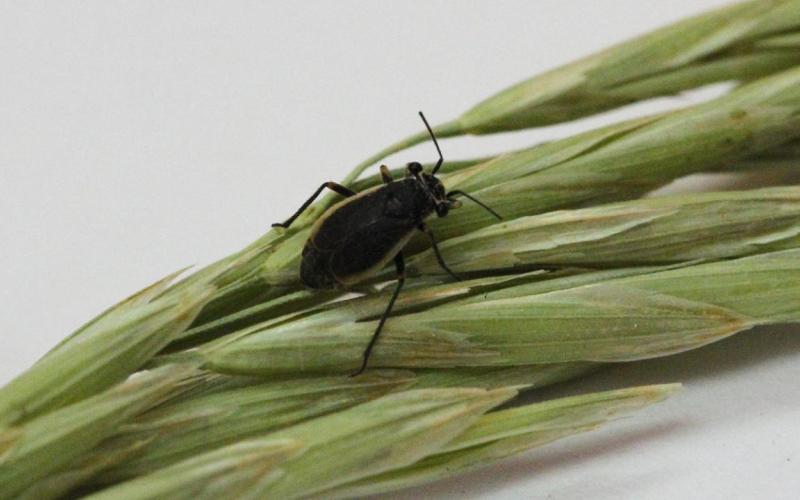
Keep an Eye on Black Grass Bugs This Spring
In South Dakota, black grass bugs are a common spring pest of forage grasses. This native insect first appears in late April and May when grasses emerge from dormancy.
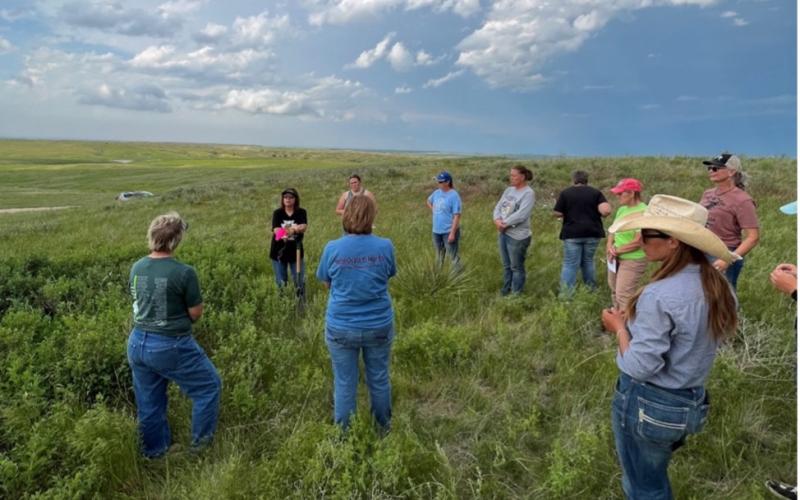
White River ‘Pasture Chat’ offers unique experience for women in agriculture
September 17, 2025
South Dakota State University Extension’s new “pasture chat” event provided a unique experience for women involved in agriculture in the White River region.
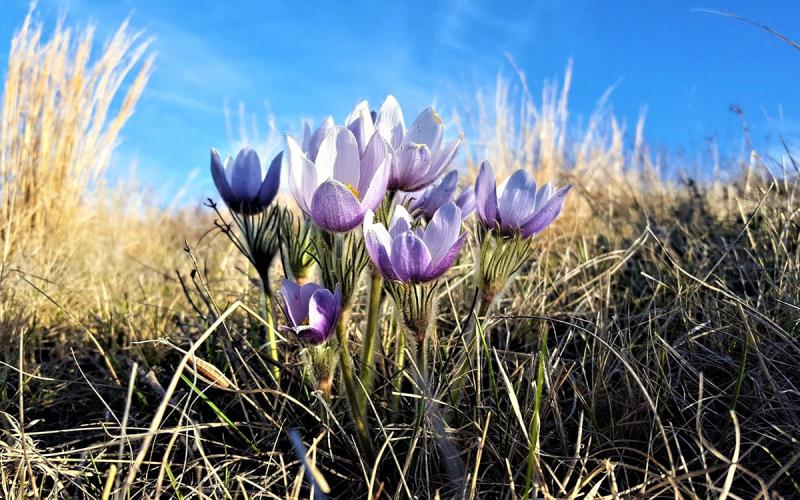
Native Plant Resources for South Dakota
As we continue to see the benefits of growing native plants in cultivated landscapes, finding the right plant for the right place requires the right resources. Learn about some available native plant sources, educational materials, and organizations serving our region.
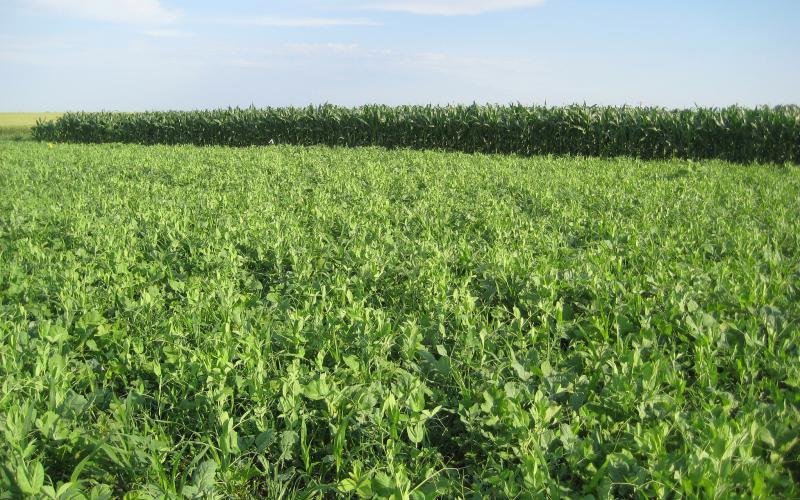
Cover Crop Usage in South Dakota is on the Rise
The number of South Dakota producers who use cover crops has been increasing at an accelerating rate over the past ten years.
Introducing the South Dakota Grassland Coalition
The South Dakota Grassland Coalition is a non-profit organization that seeks the voluntary improvement and protection of privately owned grasslands for the long-term needs of the resource and its various species.
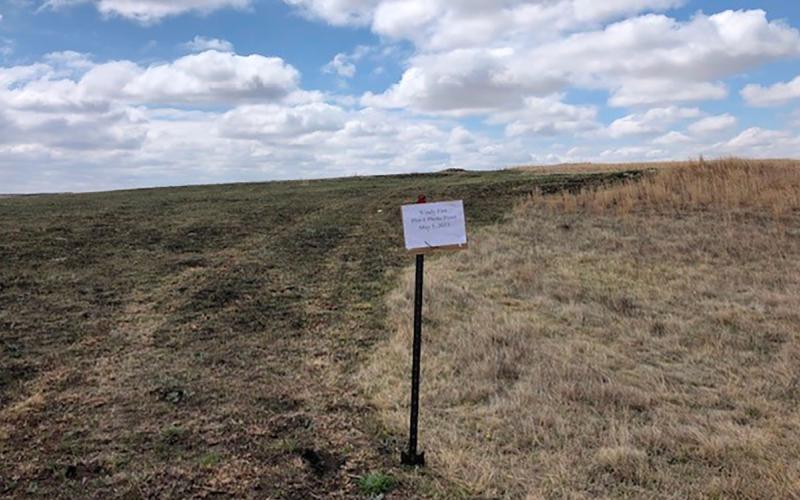
Range Roundup: Dormant Season Wildfire Project in Northwestern South Dakota
Two of the main environmental conditions that drive post-wildfire rangeland recovery include health of the rangeland ecosystem prior to the wildfire and climatic variables, such as precipitation or drought after the fire event.