Search
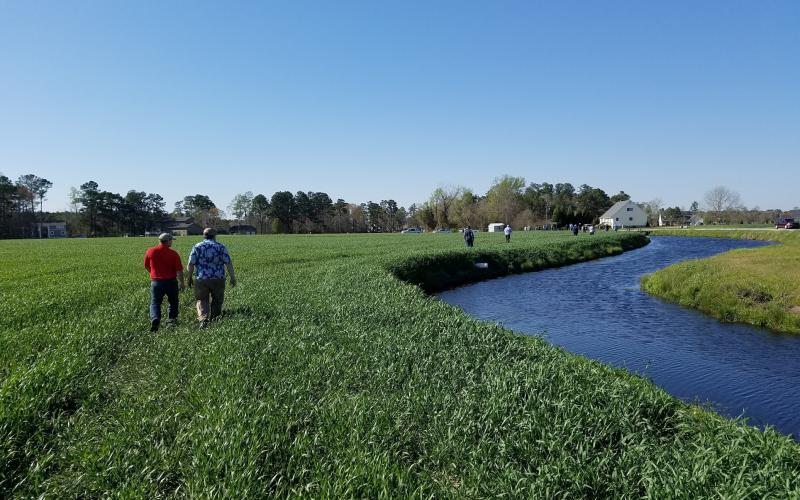
Conservation Drainage Complexities Part 2
What can we do to prepare for the future of conservation drainage?
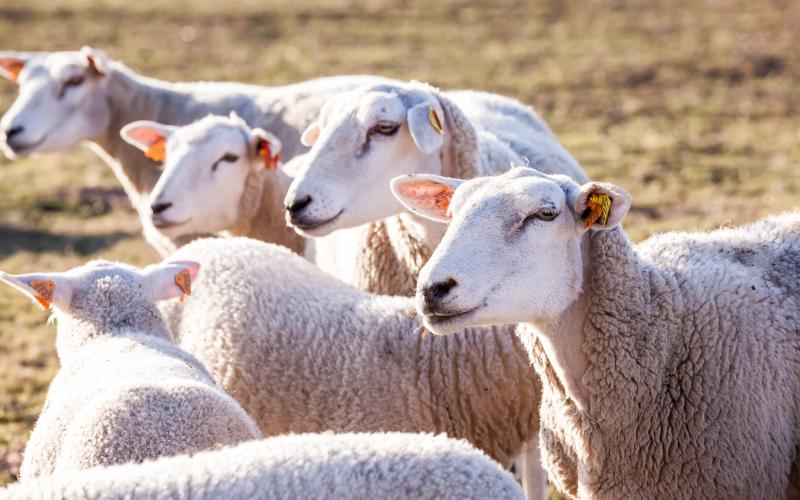
Managing Sheep Body Condition Score Throughout the Year
This fact sheet and barn reference are for sheep producers to implement body condition scoring in their management practices.
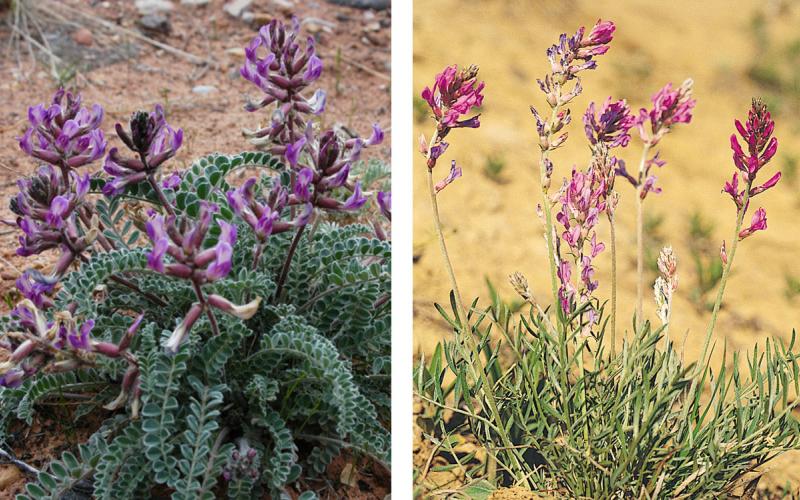
Poisonous Plants on Rangelands: Locoweed and Crazyweed
Locoweed and crazyweed are found throughout South Dakota rangelands, and both can cause livestock poisoning.The names locoweed and crazyweed are often used interchangeably. However, there are notable differences between the species.

Purposeful Retirement Book Club Facilitation Guide
A curriculum that can be used to facilitate a purposeful retirement book club in a community.
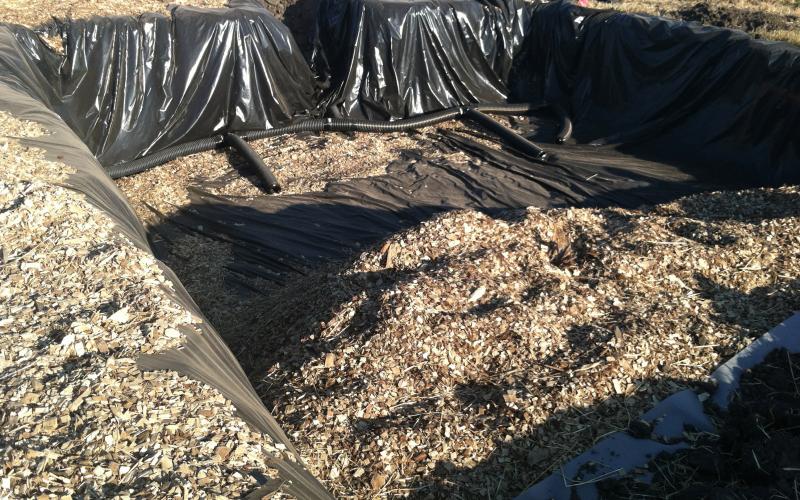
Bioreactors and Your Bottom Line
Why are bioreactors unpopular and what can we do to incentivize farmers to put them in?
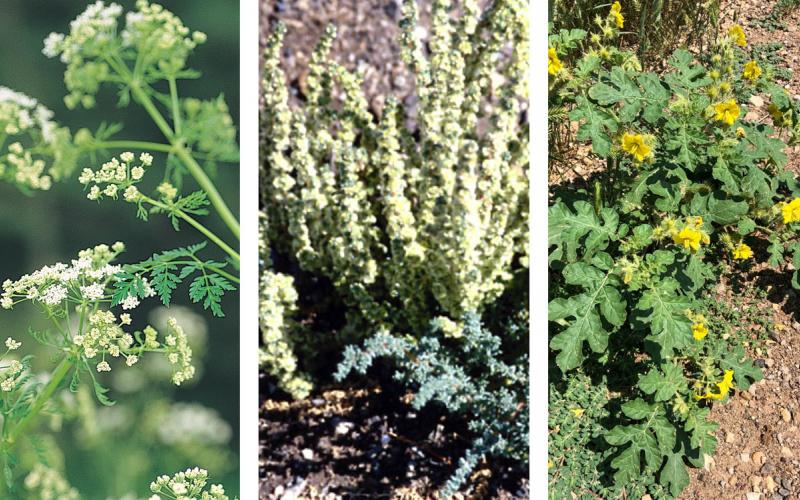
Poisonous Plants on Rangelands: Hemlock, Halogeton and Buffalo Bur
Several species of poisonous plants are invasive and can easily establish dense stands when there is a disturbance on rangelands. Hemlocks, halogeton and buffalo bur can all be found throughout South Dakota and are toxic to livestock.
Controlling Grasshoppers, Salvaging Drought Corn Kick Off August Drought Hours
August 04, 2021
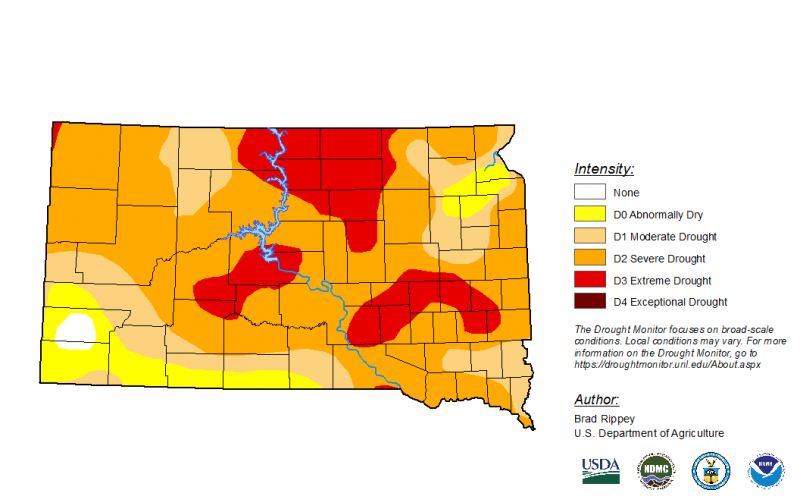
According to the latest U.S. Drought Monitor, nearly 18% of the state is in Extreme Drought (D3), while another 70% follows as Severe Drought (D2).

Saturated Buffer Situations
What is a saturated buffer and how can they be beneficial to farmers?
Frequently Asked Questions - Forage Nitrate Toxicity in Ruminant Livestock
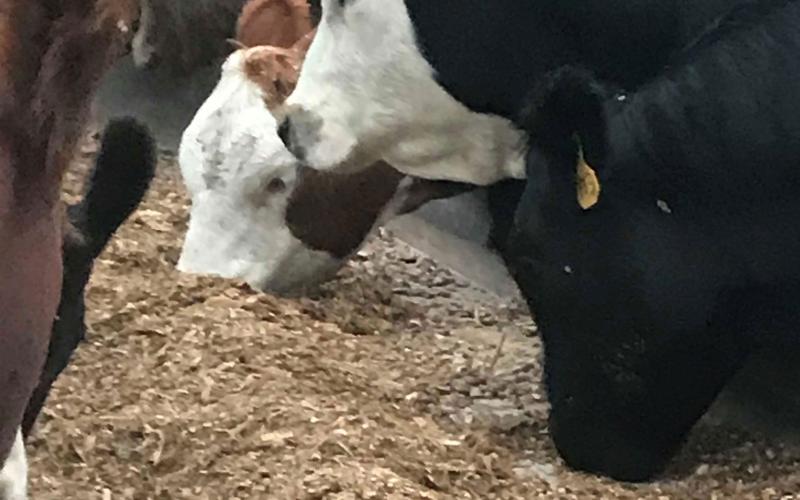
A fact sheet to address frequently asked questions about forage nitrate toxicity in ruminant livestock.
West Nile Virus Update: Aug. 2, 2021
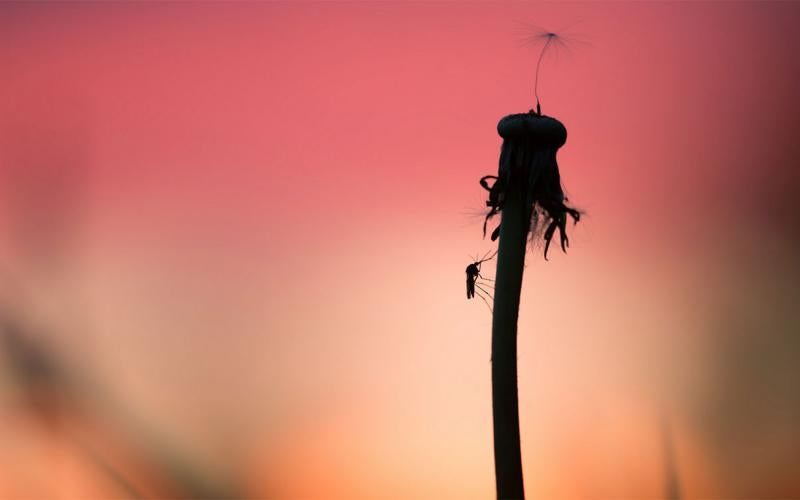
As of Aug. 2, 2021, the South Dakota Department of Health indicated that West-Nile-virus-positive mosquitoes were detected in Brookings, Codington, Hughes, Lincoln and Brown counties in South Dakota.