Search
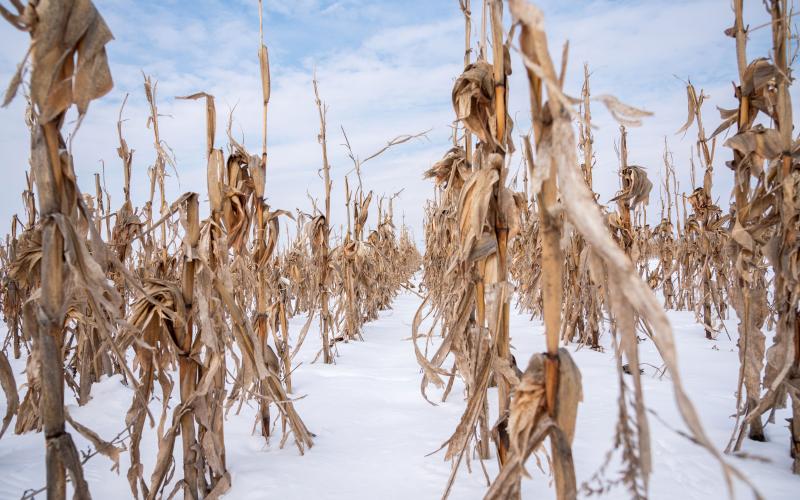
Standing Corn Considerations
The January 2020 South Dakota Crop Progress Report indicated four percent of S.D. corn acres remain in the field. Given the record rainfall of 2019, current snow pack levels and the 3-to-6-month precipitation forecasts, farmers will likely be dealing with a wet spring in 2020, thus making the removal of those acres important but hard to accomplish.
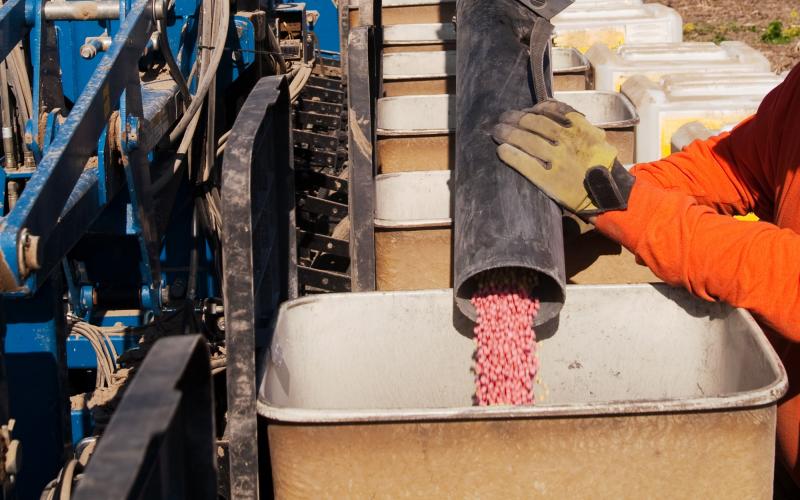
Pre-Plant Disease Management Considerations
If the forecast holds true, it looks like it is going to be another year of excessive soil moisture and possible flooding come this spring. The increased level of soil moisture has implications with regards to plant stand establishment as well as root rot and nematode infestations.
South Dakota Declares February 21 Soil Health Awareness Day
February 20, 2020
South Dakota Governor Kristi Noem has declared February 21, 2020 Soil Health Awareness Day. Agriculture contributes over 132,000 jobs and 32.5 billion dollars in total output to South Dakota’s economy.
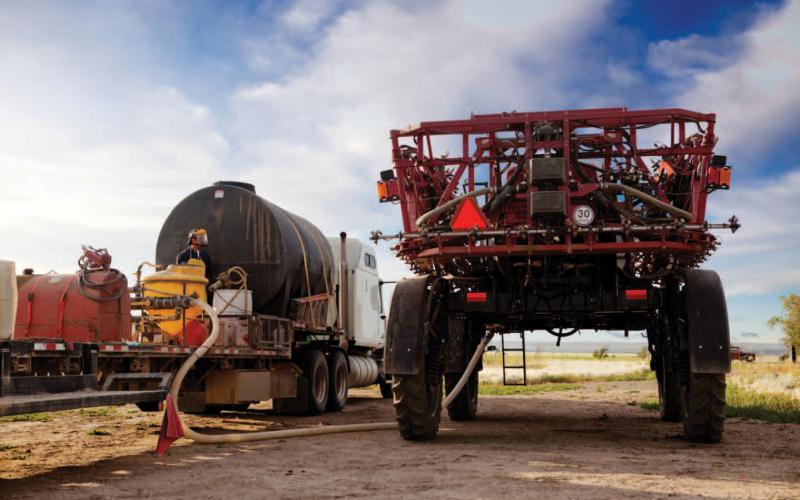
General Cleaning Recommendations for Sprayer Equipment
Crop damage could occur if sprayer clean-out is overlooked or not properly conducted. It is critical to always follow the procedure specified on the herbicide or commercial cleaner label to completely remove herbicide residue from the sprayer system.
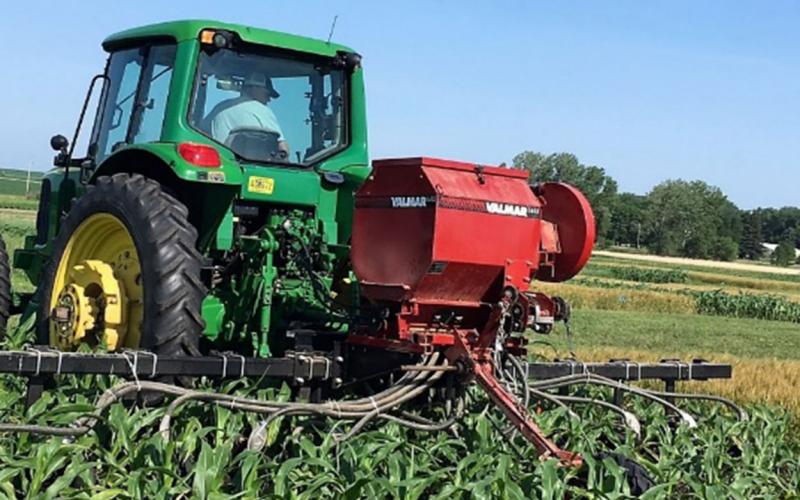
Interseeding Cover Crops Effect on Corn and Soybean Production: 2019
Incorporating cover crops into our cropping systems and moving from conventional tillage to no-till can improve soil organic matter, soil structure, and water and nutrient holding capacity of our soils.
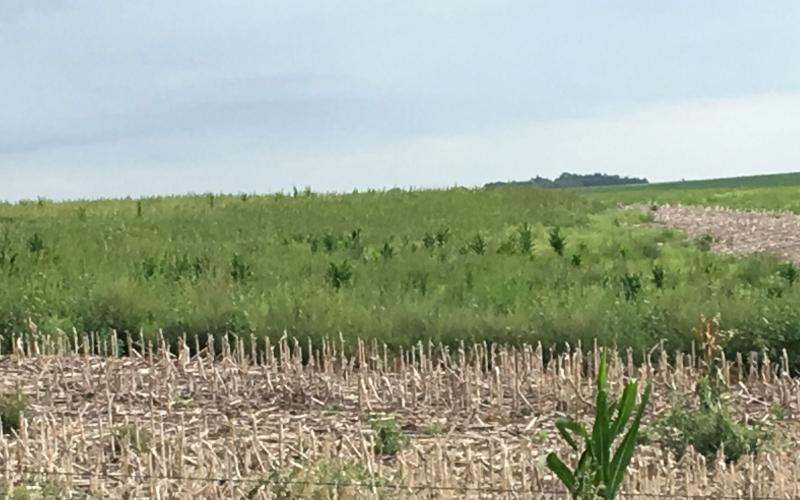
Managing Weed Seed in 2020
Producers need to plan in advance on how to deal with bare fields that contain an overabundance of weeds. Weeds in these fields have deposited significant amount of seeds on the soil surface, which can easily germinate when adequate moisture and temperature are available.
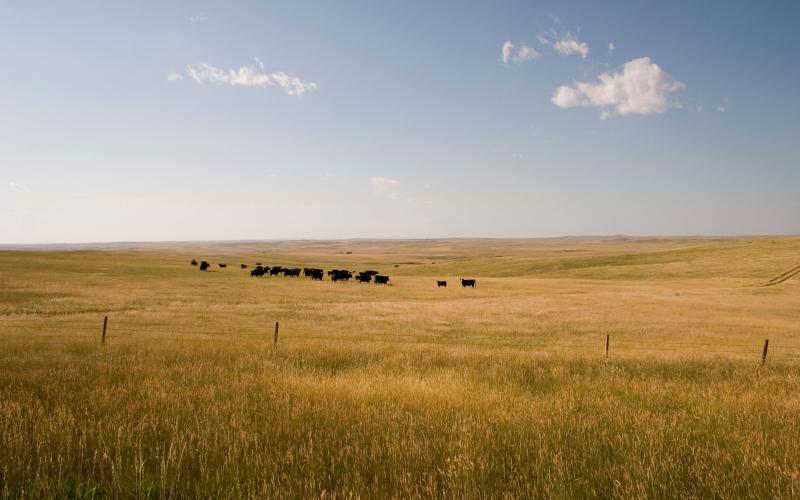
Rotational Grazing Improves Stocking Capacity and Ranch Profitability
Livestock stocking rate is considered as one of the most important decisions that ranchers can make, as heavy stocking rate causes grassland degradation and adversely impact the sustainable delivery of ecosystem services.
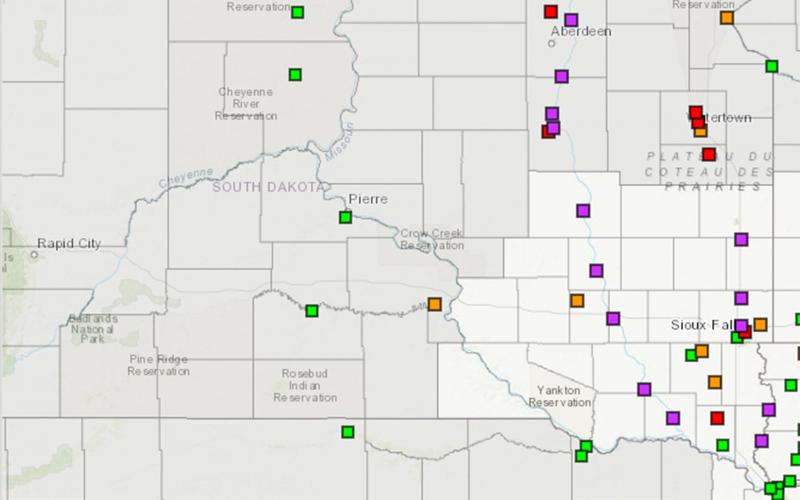
Get to Know Your Local Emergency Management Director
The warmer weather and spring migration this March have us all thinking of better days ahead. Unfortunately, it also has us thinking about flooding again this spring.

SDSU Extension to Address Economic and Marketing Issues in Crop and Livestock Production During Ag Economic Dialogue Series
August 06, 2020
SDSU Extension will host monthly Ag Economic Dialogues throughout 2020 to assist farmers and ranchers in making the best and most profitable decisions for their operations.
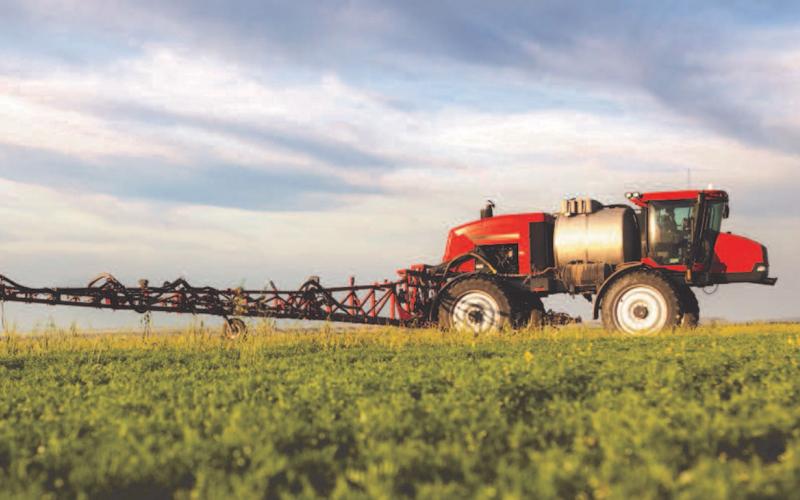
A Tricky Task: Removing Dicamba From Sprayers
With the introduction of many new plant growth regulator herbicides, such as dicamba-based, and 2,4-D choline products, sprayer system cleanout has become even more critical before spraying resumes this growing season.