Search

Crazy Top Disease Developing in Corn
Crazy top disease was observed in a few fields in the Southeast counties in the state. This disease develops in corn that is flooded or under full water saturation when corn has not reached the four-to-five leaf stage.
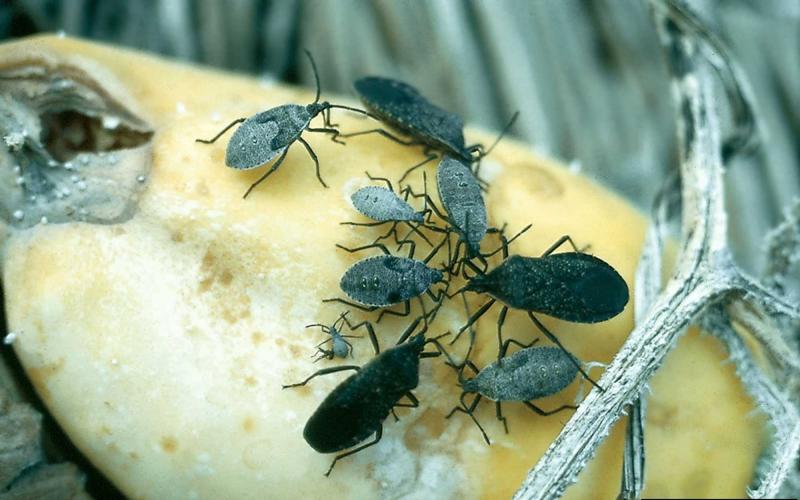
Squash Bugs Are Active and Ready to Kill Your Plants
Squash bugs are a headache for gardeners almost every year in South Dakota. As their name implies, squash bugs feed on squash along with many other cucurbits. Injury caused by extensive feeding appears as wilting and may result in the death of infested plants.
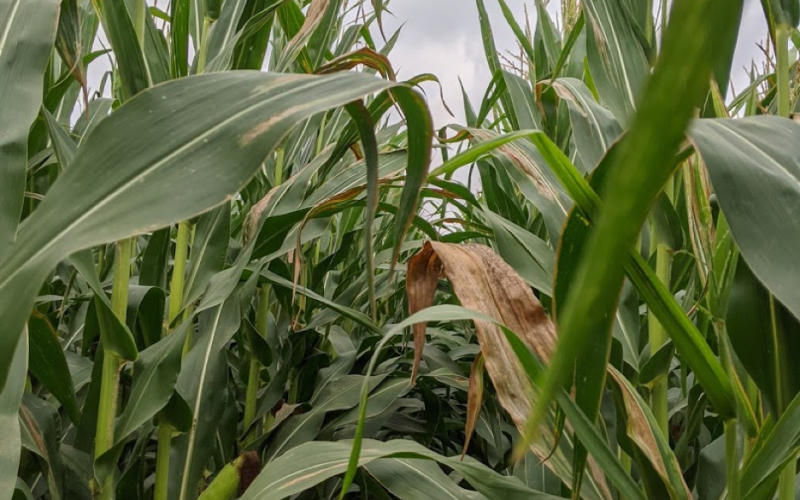
Goss’s Bacterial Wilt and Blight Developing
While out scouting corn fields (the week of August 11, 2020) Goss’s bacterial wilt and blight was found starting to develop in a number of fields.

Volunteer Winter Rye Could Be a Source of Ergot in Your Wheat
A few wheat fields scouted this summer were found with volunteer rye infested with ergot. Volunteer rye, in addition to being a weed, can be a source of ergot, which is a concern for winter wheat producers.
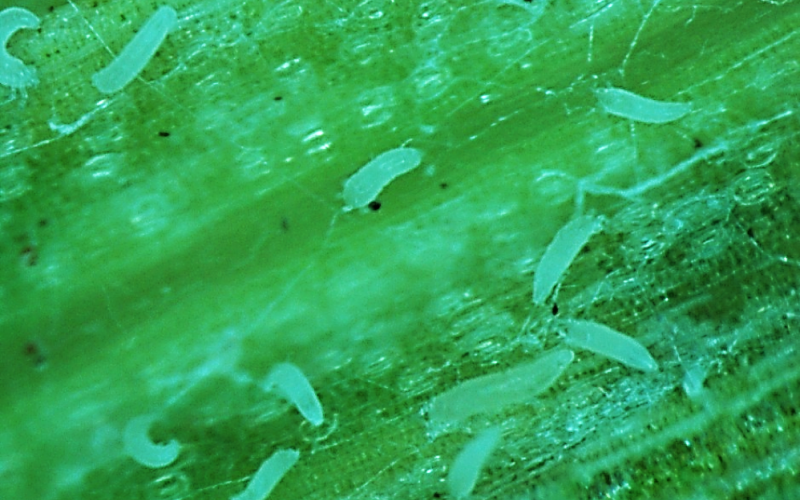
Wheat Streak Mosaic Virus is Prevented Before Planting Winter Wheat
Wheat streak mosaic disease (WSMD) is one of the important diseases in winter wheat and can lead to severe yield losses.

Time To Harvest Those Winter Squash
One of the wonderful things about having a vegetable garden is having access to fresh produce all season long. Now that the growing season is closing down, you likely still have some vegetables left to harvest, particularly the winter squash. The great thing about squash is that they usually store well so they can provide food for several months during the fall and winter.
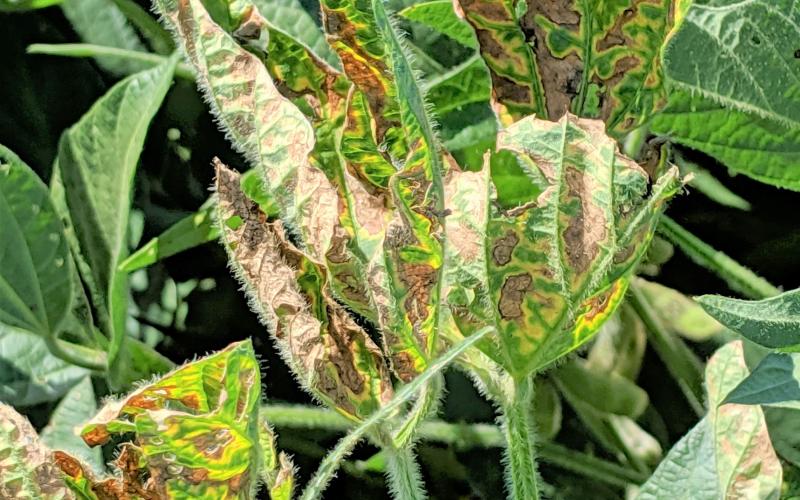
Sudden Death Syndrome of Soybean
Fact sheet discussing sudden death syndrome of soybean.
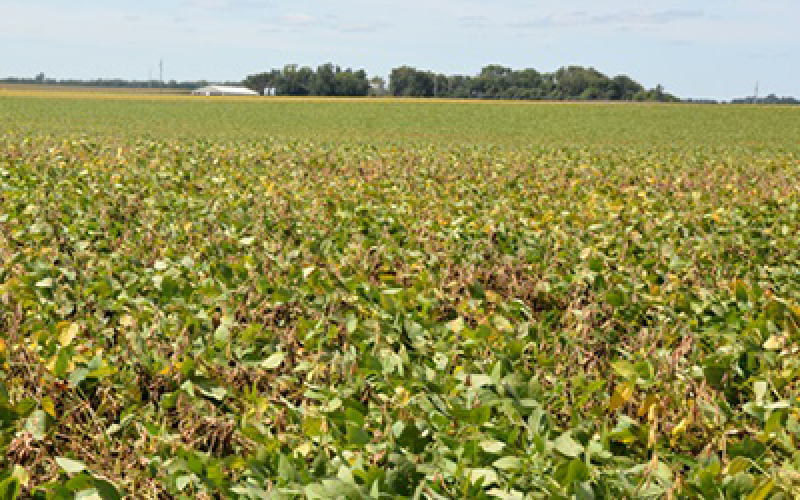
White Mold (Sclerotinia Stem Rot) of Soybean
Fact sheet of the symptoms and signs for while mold in soybean.
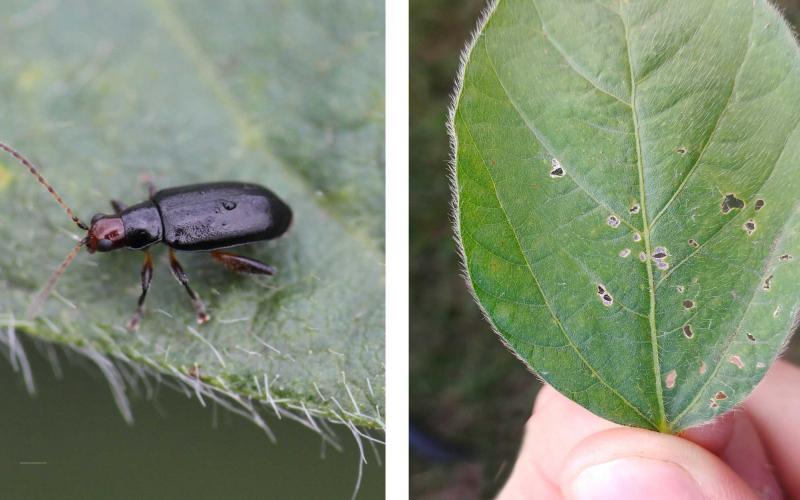
Monitor Soybean for Redheaded Flea Beetle Feeding
An additional soybean defoliator to monitor this week is the redheaded flea beetle. Although these beetles are typically not a serious soybean pest, large populations can result in considerable defoliation.
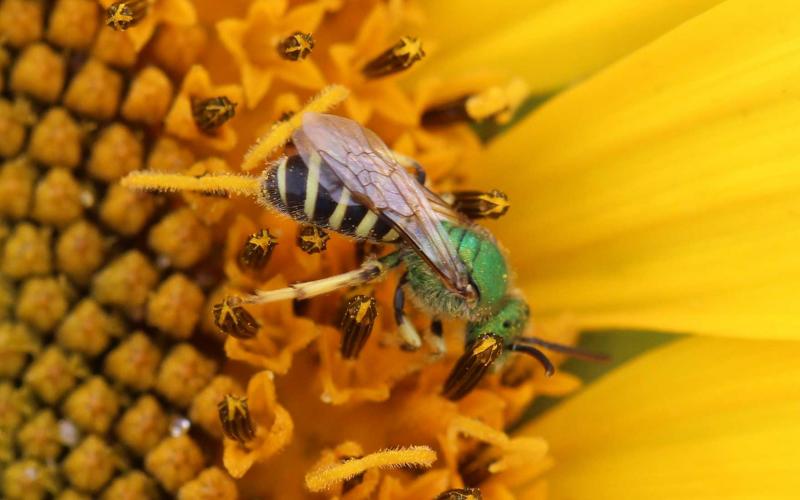
Bees and Other Pollinators Visiting Sunflower
While insecticides are often necessary to reduce pest populations and prevent yield loss in sunflower, it is important to consider the impact they may have on beneficial insects, like bees and other native pollinators.