Search
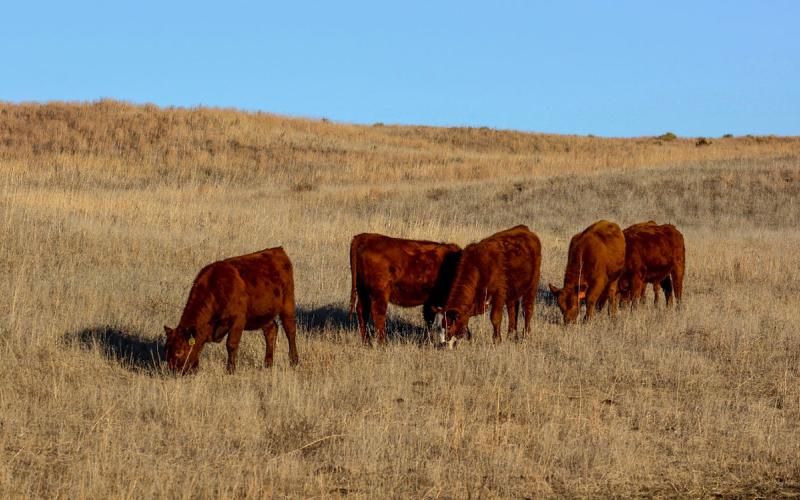
Meeting Growing Calf Requirements With Protein Supplementation While Winter Grazing
Due to their growth requirements, growing calves need higher-quality nutrition than cows, and they will require more protein and energy supplementation when grazing winter range.
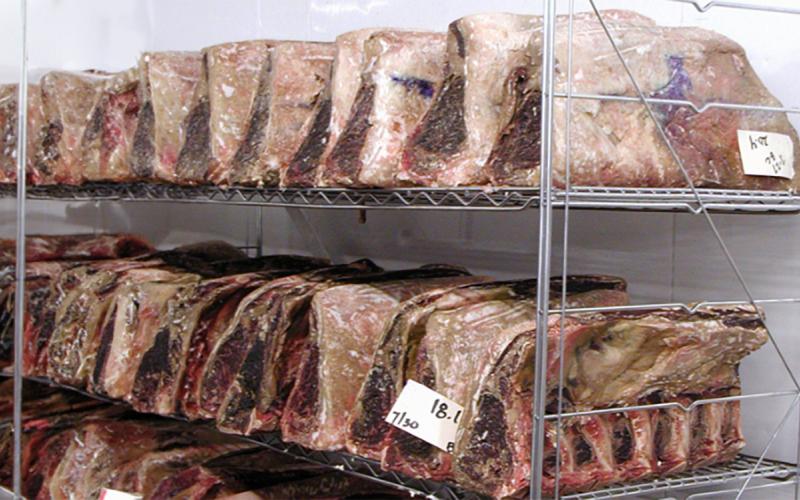
How Much Weight do Beef Carcasses Lose While Aging?
Value in the beef industry is driven by quality and weight. Knowing much weight carcasses could lose during wet or dry aging is important to understanding all aspects of yield.
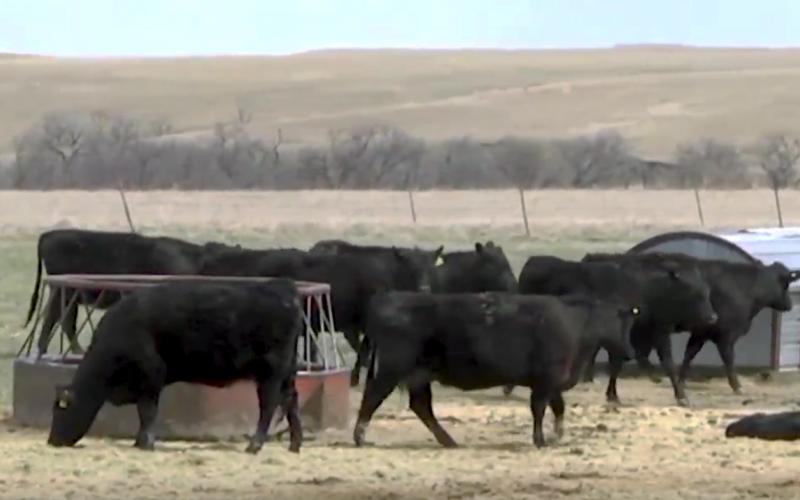
Clearing up Confusion on Protein and Energy Supplements
Differentiating between protein and energy supplements is key to developing an effective cattle supplementation program, but it can be very confusing. With the multitude of feed options available, understanding types of feeds and nutrient requirements will help ensure cattle perform optimally.
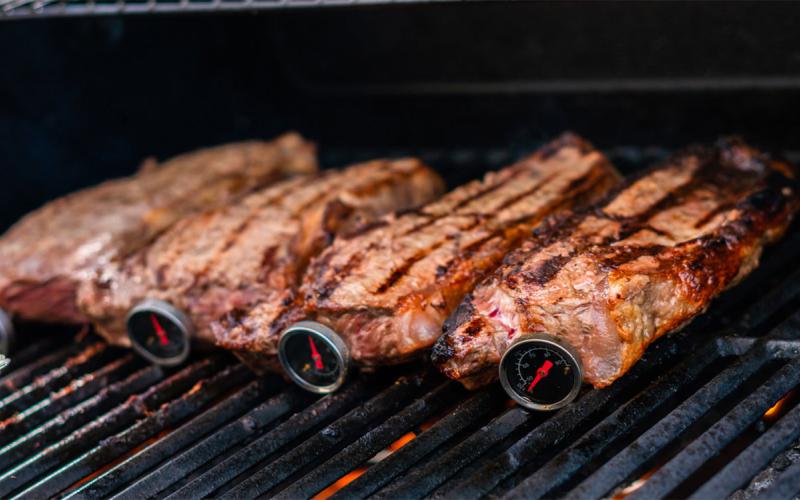
Meat: Safe Handling and Consumption
From the grocery store to your plate, learn some important food safety considerations for handling, preparing, and enjoying meat!

SDSU Extension invites operators to CAFO environmental training
November 14, 2025
There will be an environmental training session for operators of concentrated animal feeding operations (CAFOs) on Dec. 3, 2025, at the Crossroads Convention Center in Huron.

Cedar Trees and Rangeland Loss
The issue of cedar tree invasion into South Dakota’s rangelands tends to be a regional conversation. There is generally broad agreement among most resource professionals that these trees are in fact changing our landscape in a negative way.
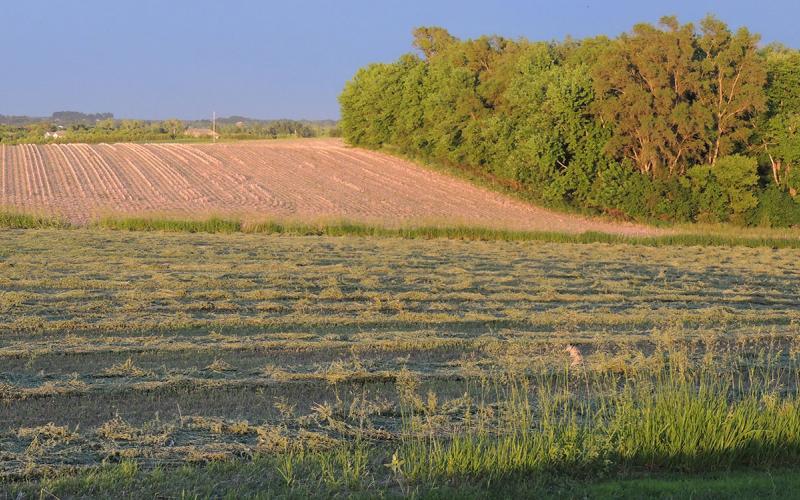
Forage Resources for South Dakota Farmers and Ranchers
Producers often have difficulties locating fellow producers to buy, sell or rent forages and grazing acres too. South Dakota now has two widely recognized, free resources to aid in these connections.
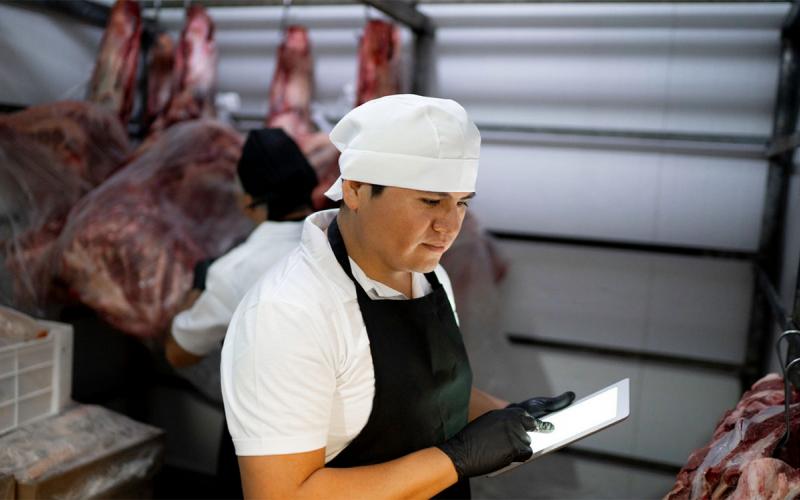
So, You Want to Build a Meat Processing Facility? Five Initial Steps to Consider
The need for more small meat processing capacity and skilled workers is not a new problem facing rural America. No matter the reason for wanting to build, here are some steps to consider before diving in.
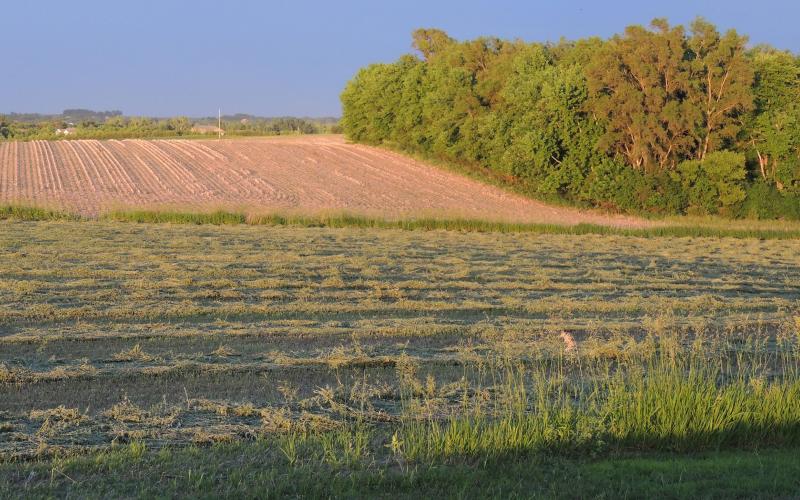
Forage Resources Available to S.D. Farmers and Ranchers
Forages are a very important part of the South Dakota livestock and cropping industries. Often, producers have difficulties finding enough forage for their herd or locating a fellow producer to buy, sell or rent forages and grazing acres too. South Dakota now has two widely-recognized, free resources to aid in these connections.
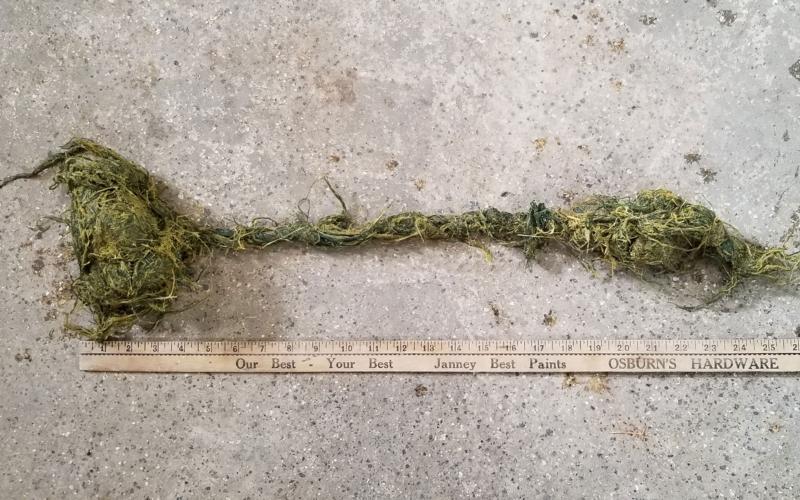
Summary of Forage Binding Survey and Current Net Wrap Research
Recently, cattle producers and veterinarians have become more concerned with the possible ingestion of net wrap or twine from hay bales and the negative impacts it could have on cattle health and performance.