Search
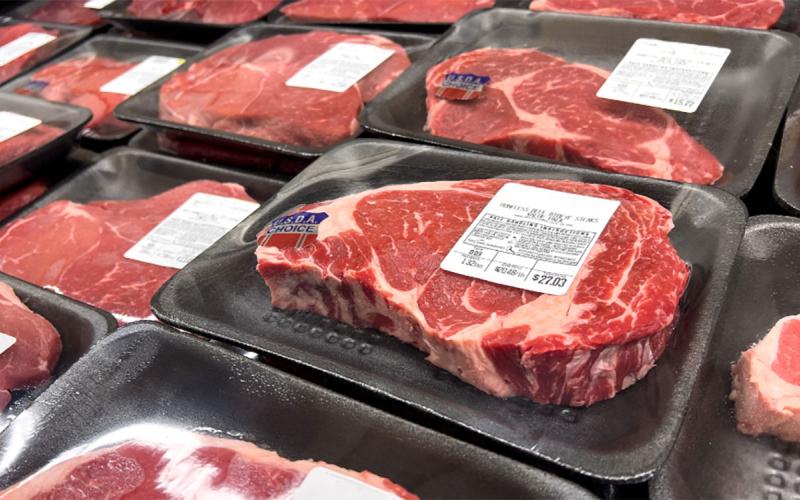
USDA Beef Quality Grades: What do they mean?
A large portion of beef sold at retail is accompanied by a USDA quality grade label. Learn how quality grades are determined, what they mean, and how they can be used to select the perfect cut for your purposes.
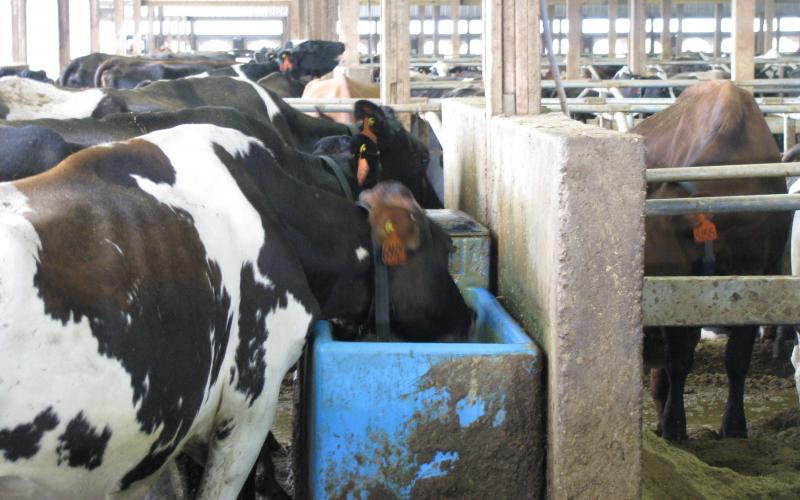
Water Importance in Lactating Dairy Cows
When considering the importance of water in lactating cow diets, we need to remember that milk is 87 percent water, and its consumption is directly correlated with milk production and feed intake. Water also makes up anywhere from 55 percent to 70 percent of the body weight of a lactating dairy cow, depending upon the phase of the lactation cycle.
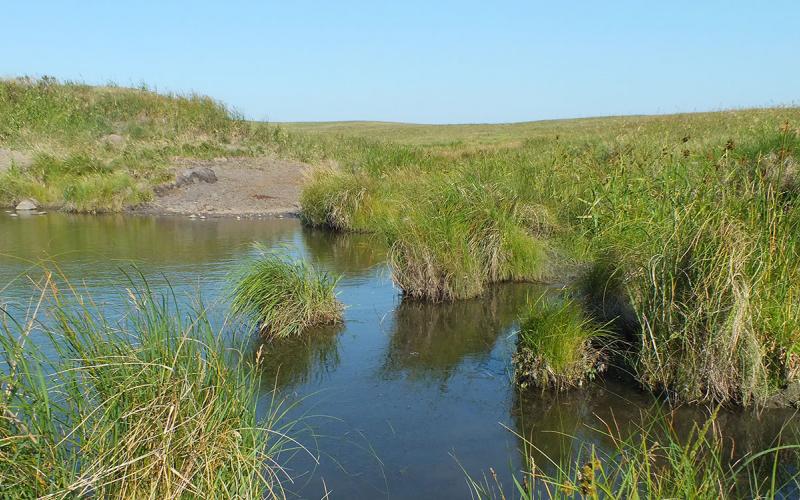
Managing Livestock Attractants Near Water
In the event that your pasture includes riparian areas, such as streams, rivers, lakes or ponds, you’ll want to take special care of these habitats. A riparian area is the space immediately adjacent to the shore, where water and land interact.

Nursery Pig Performance Impacted by Total Dissolved Solids in Water
Because water quality can vary considerably between production sites, it is important to identify the qualities of water that impact the growth performance of nursery pigs.
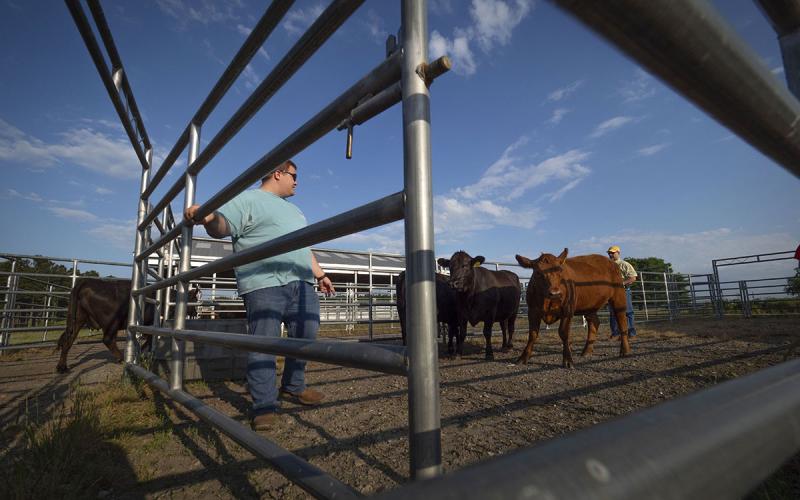
What Cattle Working Facilities Are the Best?
Research is continually being conducted to better understand cattle behaviors and develop working facilities that work with them. Learn some basic aspects of working facilities so you can design a system that best fits your operation.
Considerations of Water for Sustainable Swine Production
The sustainability of water for swine revolves around responsible sourcing of water, efficient distribution, waste management, and continuous improvement in farming practices.
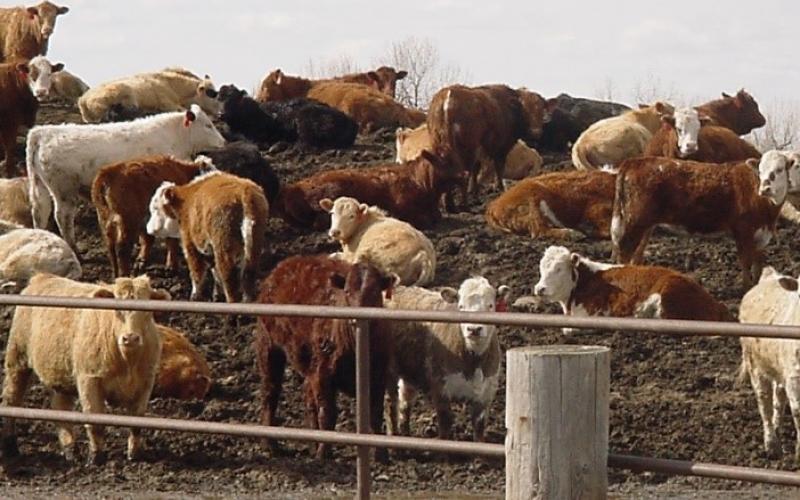
Mud and Lameness in Beef Cattle
Melting snow and spring rains produce conditions that can increase lameness in beef cattle. Mud is among the predisposing causes for cattle lameness.
Fall Cattle Markets with Matt Dierson
In this episode join Kiernan Brandt and Olivia Amundson, former SDSU Extension Cow/Calf Field Specialists, as they talk with Matt Dierson, SDSU Extension Risk/Business Management Specialist about Fall cattle markets and current market values.

Feeding Hybrid Rye Grain to Cattle
Feedlot researchers at SDSU were approached to evaluate the potential for hybrid rye to be used in cattle finishing diets. See what they found in terms of cattle performance and feed efficiency.
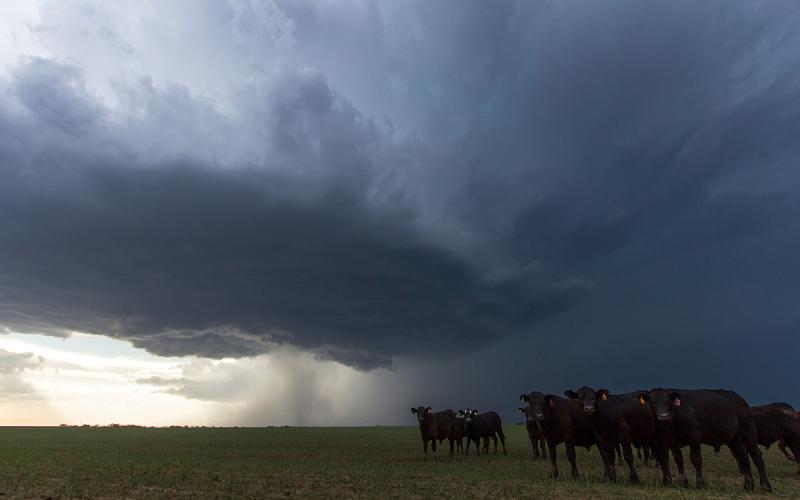
Hail and Bruising in Cattle
Bruising remains one of the leading causes of carcass trimming at harvest. While we can’t control the weather, proactive management can reduce performance losses and protect carcass quality.