Search
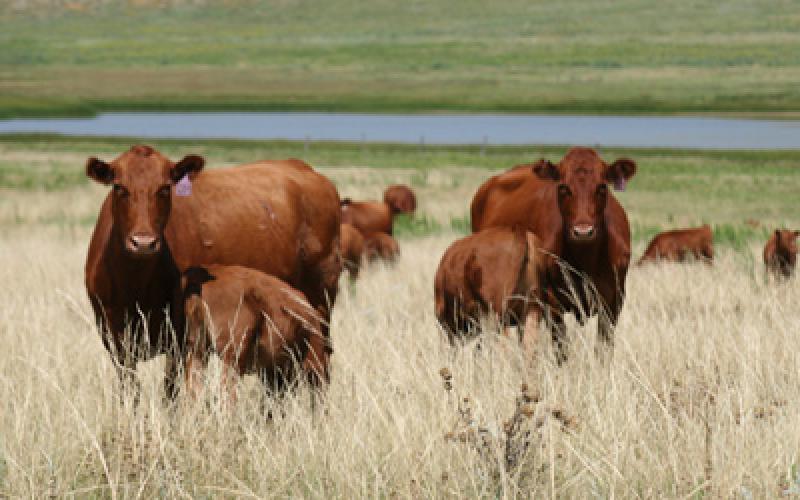
The Cost of Late Calvers
Pounds of beef sold is a key number for cattlemen. Late calvers the cows that drag out the calving season, may cost producers more than extra work and management, they may actually be costing dollars.
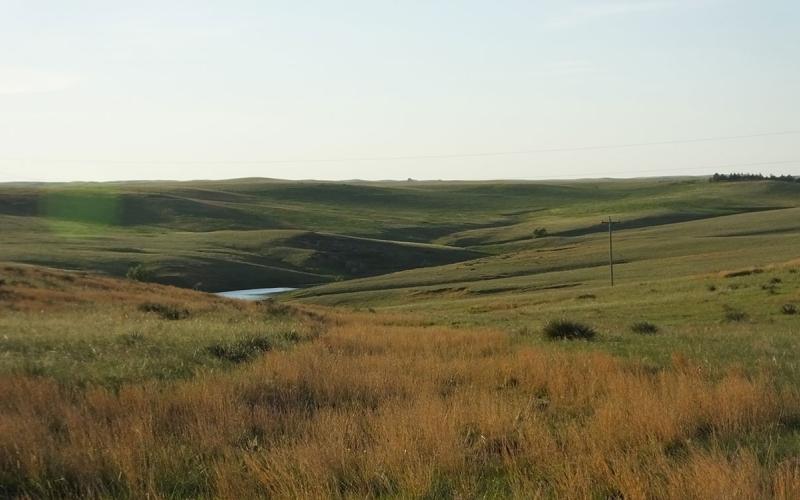
The Nitrogen Biochemical Cycle in Soil
Nitrogen is an essential element for plant growth and is contained in many forms in the soil. Soil microbiology is essential for transforming nitrogen into different forms in the soil.
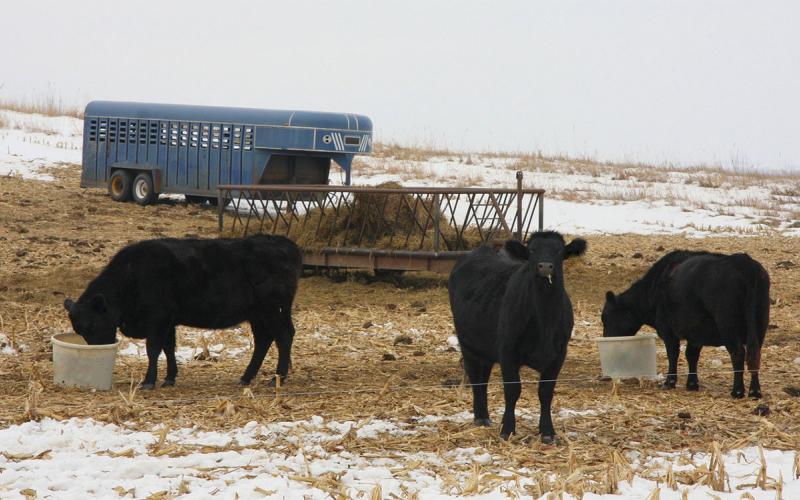
Cold Temperatures Impact Forage Intake
Decreasing temperatures impact the amount of energy required by cattle. Learn some management considerations to reduce the possibility of metabolic disturbance during periods of colder weather.
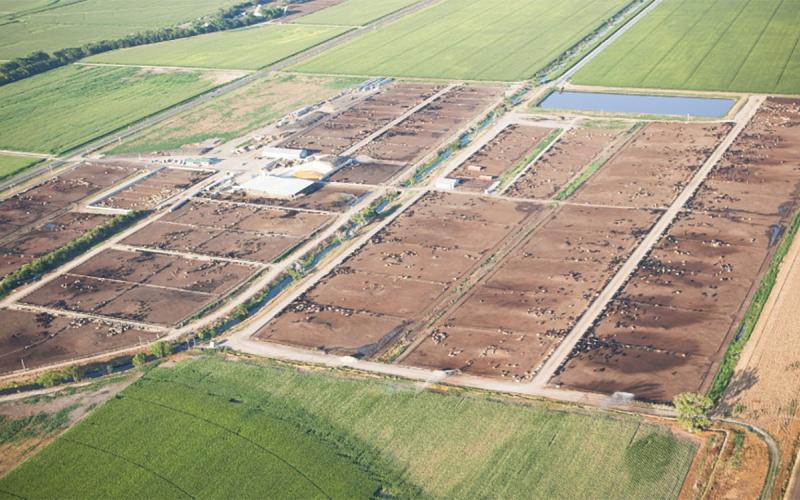
Carbon Markets and Beef Production: Carbon Markets and Scope 1, 2, and 3 Emissions
In this article in the Carbon Markets and Beef Production series, we will discuss the basics of carbon markets and Scope 1, 2, and 3 emissions.
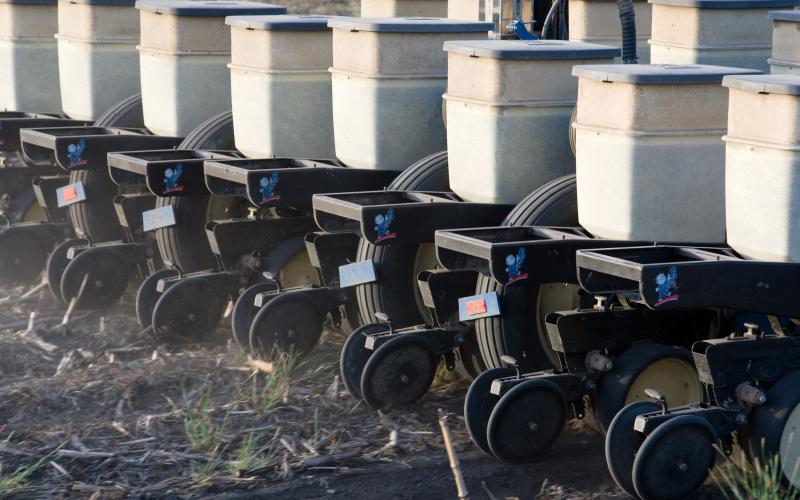
Fungicide Seed Treatment Considerations for 2019
With the excessive soil moisture and flooding that has occurred throughout South Dakota, growers may be thinking about using a fungicide seed treatment this planting season.
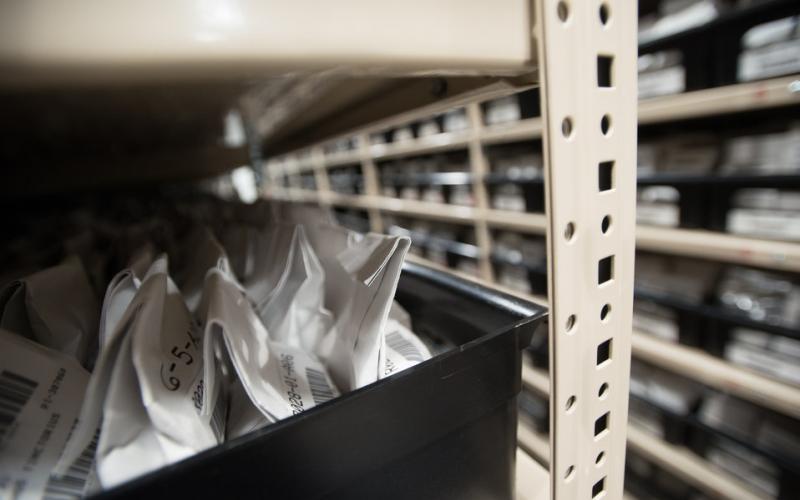
Healthy Seeds Make Healthy Plants
Saving seeds is a fun and economical way to produce plants for the next year. There are concerns however when saving seeds about seed-borne diseases.
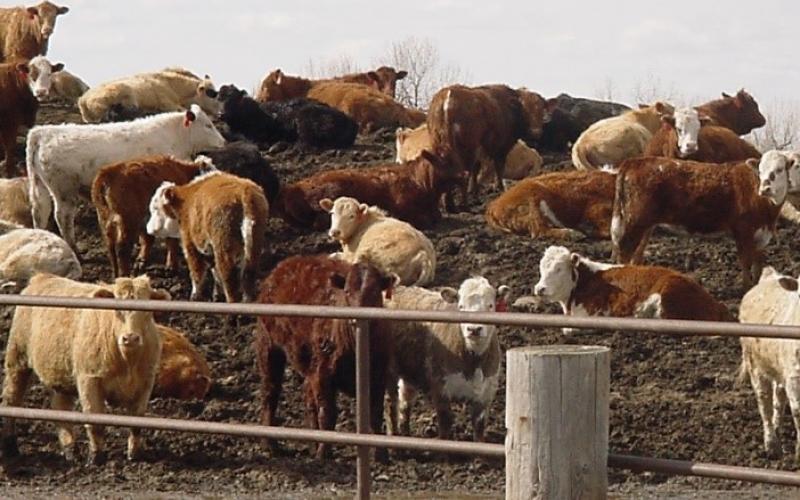
Mud and Lameness in Beef Cattle
Melting snow and spring rains produce conditions that can increase lameness in beef cattle. Mud is among the predisposing causes for cattle lameness.
Resources and Options When Feed is Short
SDSU Extension offers resources to help producers find and evaluate feedstuffs to help meet their livestock’s needs.
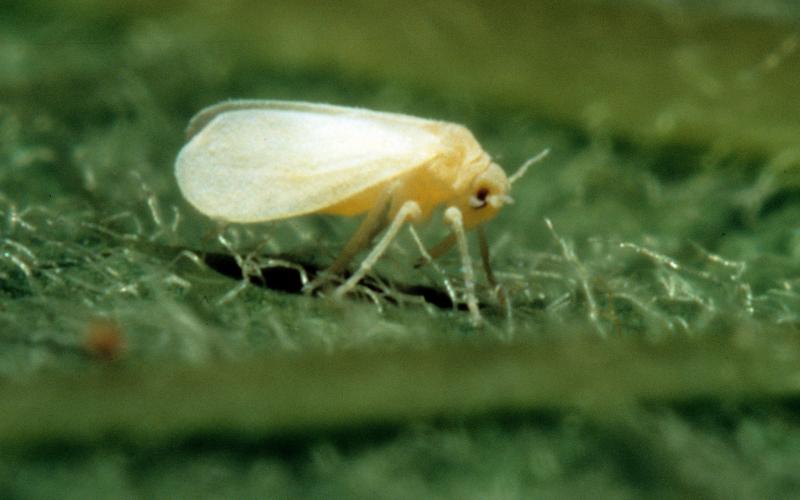
Biological Control of Pests in High Tunnels
Major insect and mite pests in high tunnels include aphids, thrips, white flies, and spider mites. Biological control uses living organisms (natural enemies) to suppress or limit pest populations to levels that do not cause economic injury to the crop.
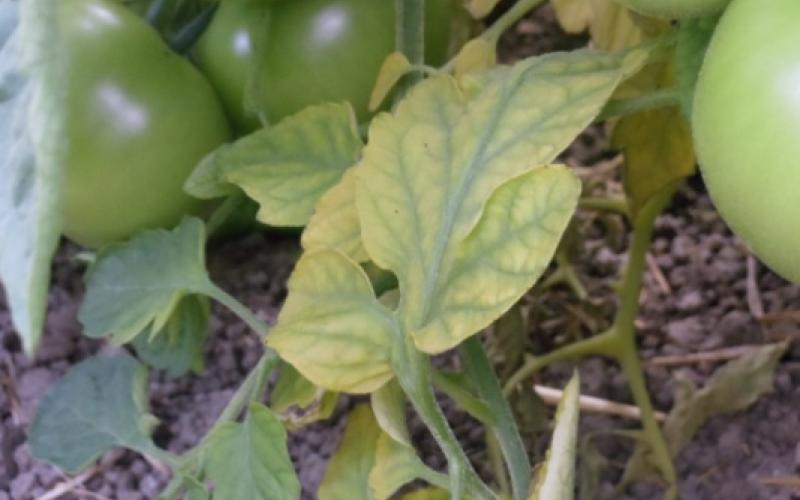
Monitoring and Correcting Magnesium Deficiency in High Tunnels
This point in the growing season is a good time to monitor and correct for magnesium deficiency in high tunnel crops, especially on tomatoes. Deficiency symptoms normally appear mid-season on plants with heavy fruit loads.