Search
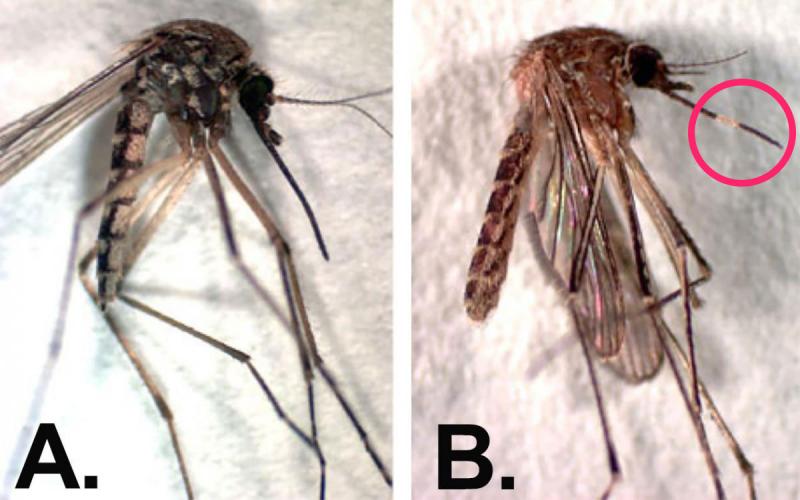
Be Ready for Mosquitos
With the very wet 2019 spring and recent rains, it inevitable that mosquito populations will be high this year. Although there are over 20 species of mosquitoes that call South Dakota home, there are really only two species that account for the majority of observed individuals.
Ditch Hay: Harvesting, Quality, and Feeding
Using ditch hay to feed cattle is a common practice across the U.S. It provides livestock producers with a source of readily available forage, which can be very useful, particularly during feed shortages.
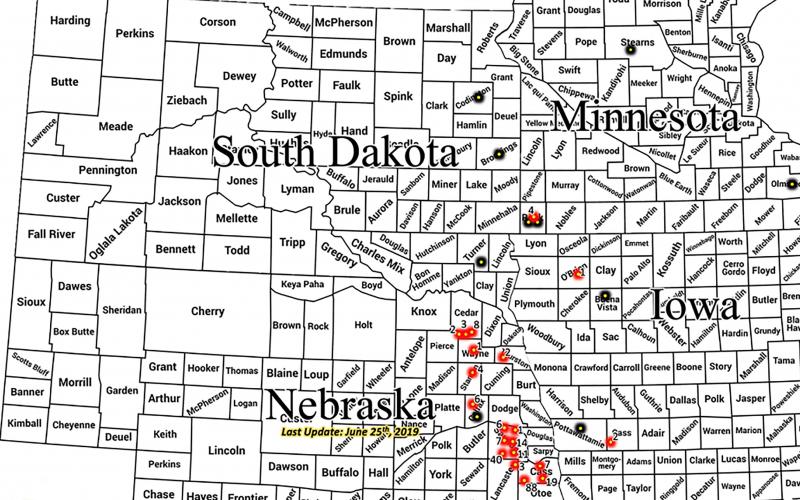
Soybean Gall Midge Are Emerging Around Us, But No Captures in S.D.
Last year, the soybean gall midge caused a lot of issues in soybean, including lodging and up to 50% yield loss. In an effort to determine when soybean gall midge adults are emerging in 2019, a network of emergence traps has been established in South Dakota, Nebraska, Iowa and Minnesota. So far, emergence of the adult soybean gall midge have been reported from Iowa, Nebraska and Minnesota.
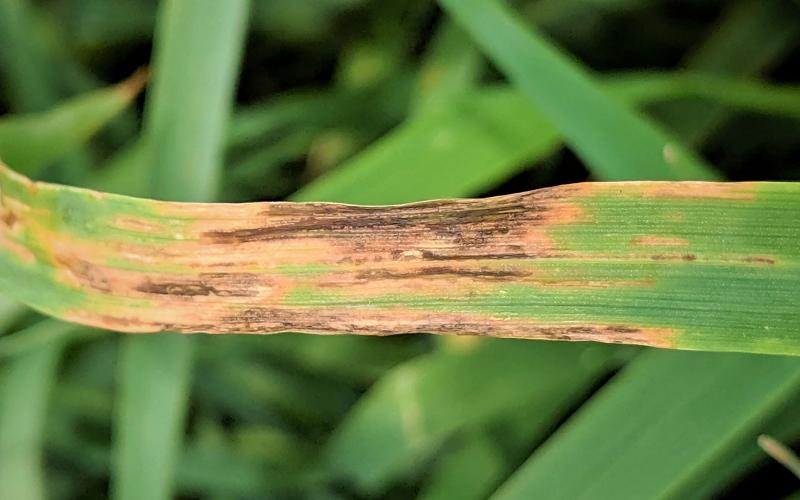
Bacterial Blight Developing in Oats
Oats scouted in a few fields in the Eastern and South Central parts of the state were found with bacterial blight developing on the lower leaves. Plants infected have leaves with water-soaked brown longitudinal lesions in the top-half of the leaf. Severe symptoms can lead to premature leaf death.
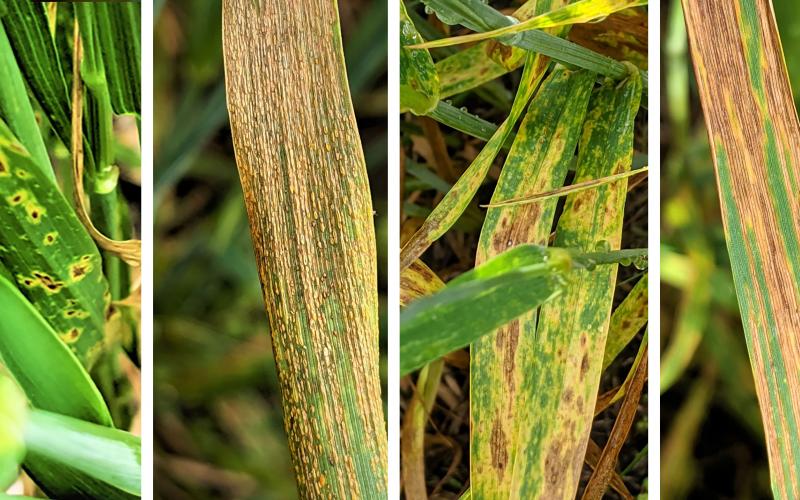
Winter Wheat Disease Update: Leaf Diseases and FHB on the Increase
Winter wheat fields scouted last week show an increase in fungal leaf diseases and bacterial leaf streak. Among the fungal diseases, the most common leaf diseases are tan spot, Stagonospora leaf blotch, and stripe rust. The risk for Fusarium head blight has also started to increase in a number of areas in the state.
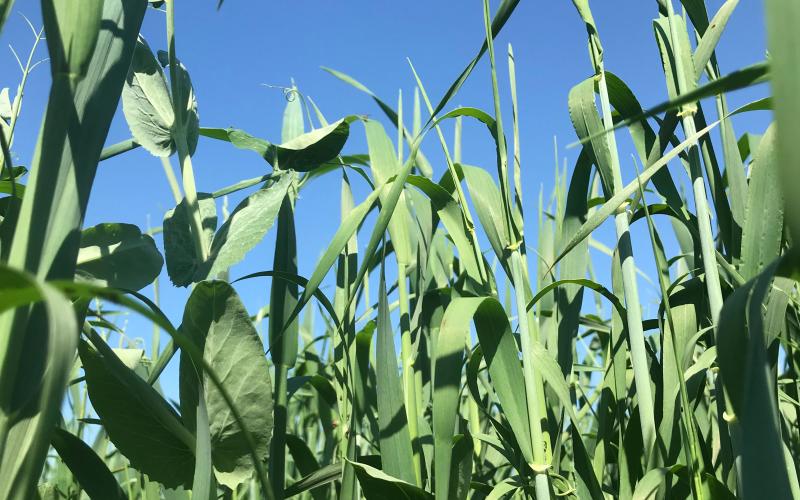
Buying or Selling Oats for a Cover Crop? Be Sure to Follow the Rules
As a challenging 2019 row crop planting season wraps up in South Dakota, many producers are looking to plant cover crops on unplanted acres. One popular cool-season grass cover crop is oats. Most oats in South Dakota are grown as certified varieties, and it is important to be aware of the legal ramifications behind purchasing oat seed for use as a cover crop.
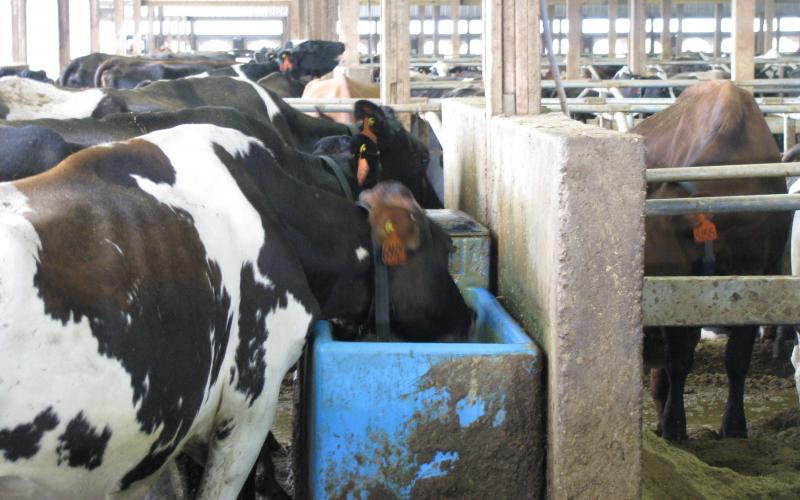
Water Importance in Lactating Dairy Cows
When considering the importance of water in lactating cow diets, we need to remember that milk is 87 percent water, and its consumption is directly correlated with milk production and feed intake. Water also makes up anywhere from 55 percent to 70 percent of the body weight of a lactating dairy cow, depending upon the phase of the lactation cycle.
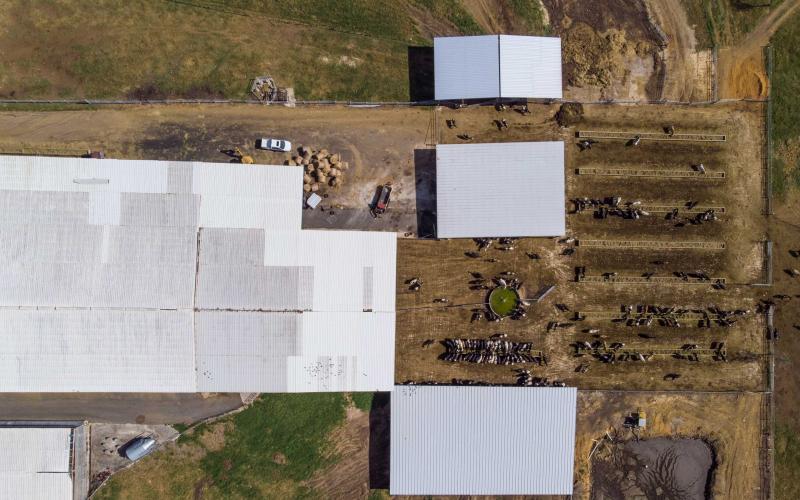
Dealing With Heat Stress in Dairy Cows
Alleviating heat stress is critical to milk production. Heat stress from high environmental temperatures can be compounded by mistakes in managing and feeding cows. Water is your first concern during periods of high temperatures.
Mineral Sources May Impact Reproductive Efficiency
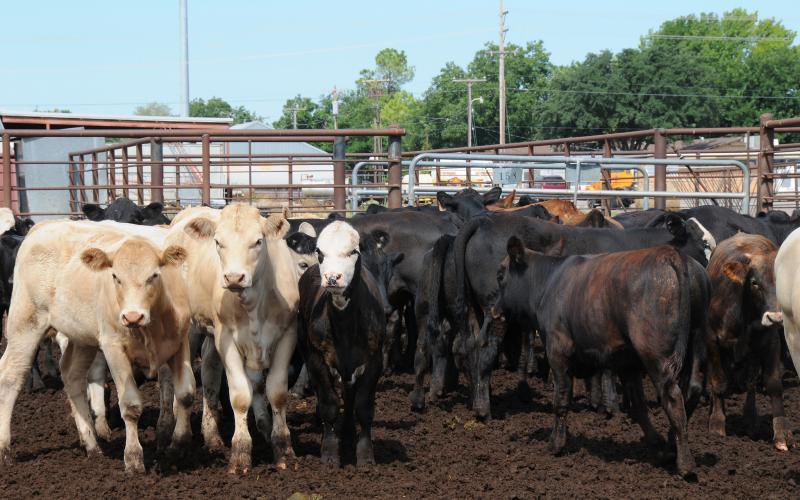
It is well-known by producers and feed specialists that trace minerals play an essential role in physiological functions. Minerals like copper, iodine, manganese, selenium, and zinc are important in embryonic development.
Big Sioux River Flood Information System Sees Heavy Use During Spring 2019
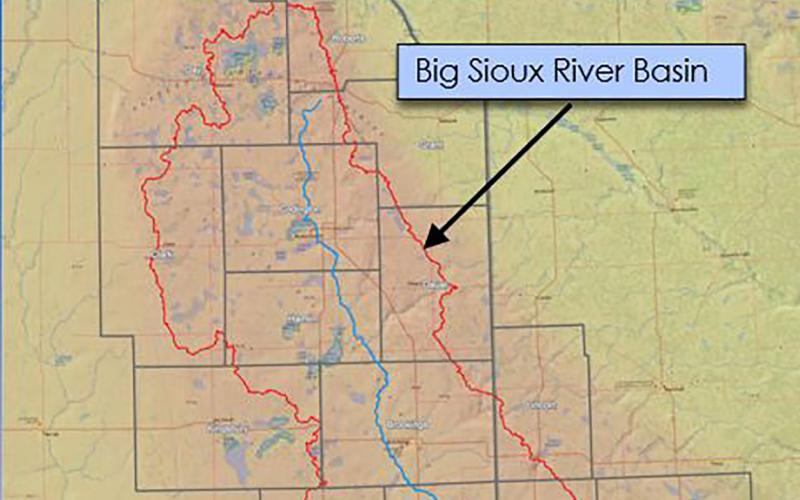
The Big Sioux River Flood Information System is the result of a combined effort between the SD Department of Environment and Natural Resources, local governments, and private industry, to create a product that can be used to predict the impact of flood events in the Big Sioux River Basin.