Search
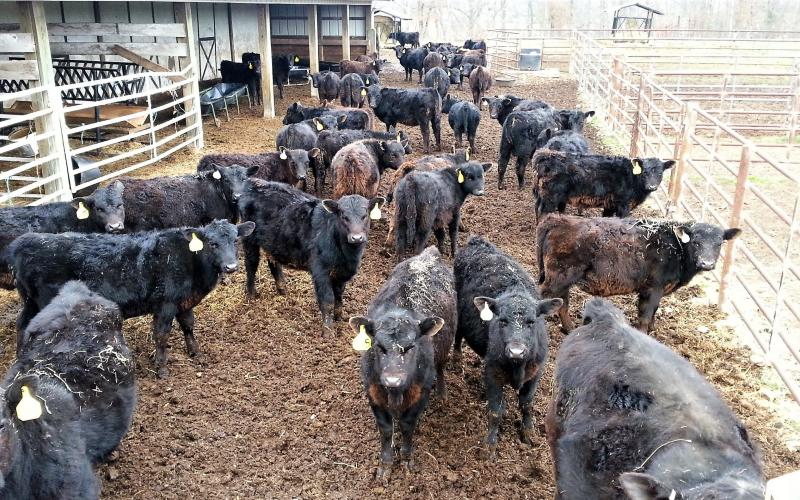
Johne’s Disease Management: Preventing Manure Contact is Key
The key to decreasing Johne’s Disease transmission is preventing young stock from coming in contact with manure from potentially infected animals.
Cow Mineral Nutrition: Reading The Tag and Bioavailability
Mineral nutrition is vital to overall cow performance. Not all mineral supplements are created equal, and it is important to know what to look for in a mineral supplement and what you might want to avoid.
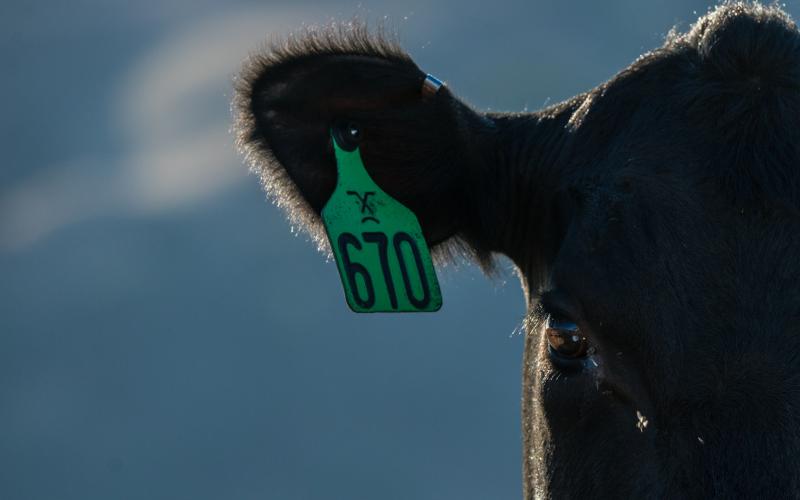
Getting Replacement Heifers Ready to Breed
Producers should take some time to evaluate replacement heifers’ health, nutrition and reproductive status to ensure high-quality females entering the cow herd.
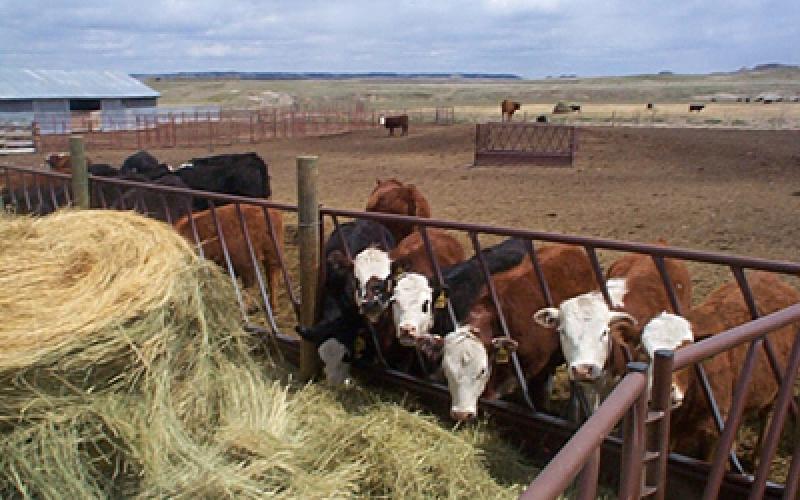
Herd Management: Keep or Cull During a Drought?
Drought forces unexpected changes so it’s critical to have a strategy to keep only the “right” females that will benefit the operation.
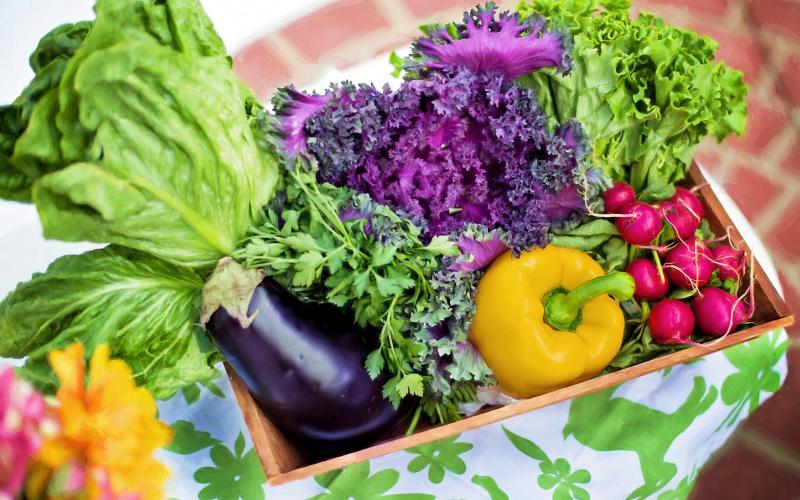
Family Fun With Gardening
Gardening is a fun way to incorporate physical activity into your day, and is a great way to connect kids to where their food comes from!
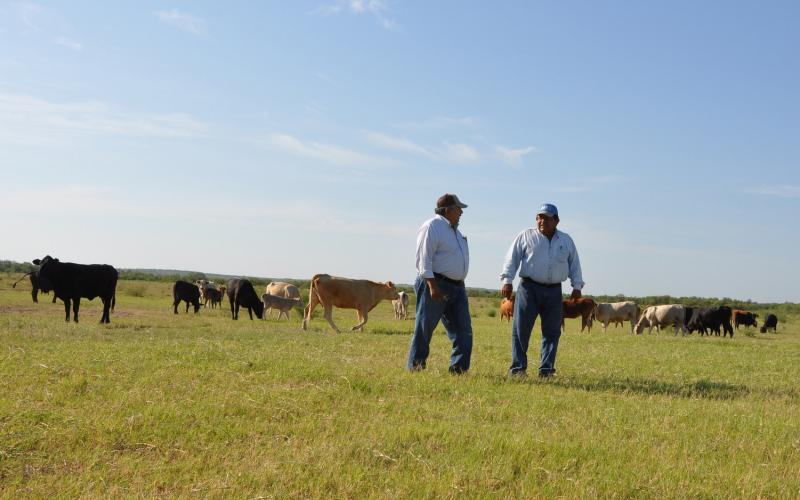
Rotational Grazing Benefits: South Dakota Producer Perceptions
To better understand producer perceptions on rotational grazing, we sent out 1,500 surveys to South Dakota ranchers inquiring about adoption status and perceptions of rotational grazing.
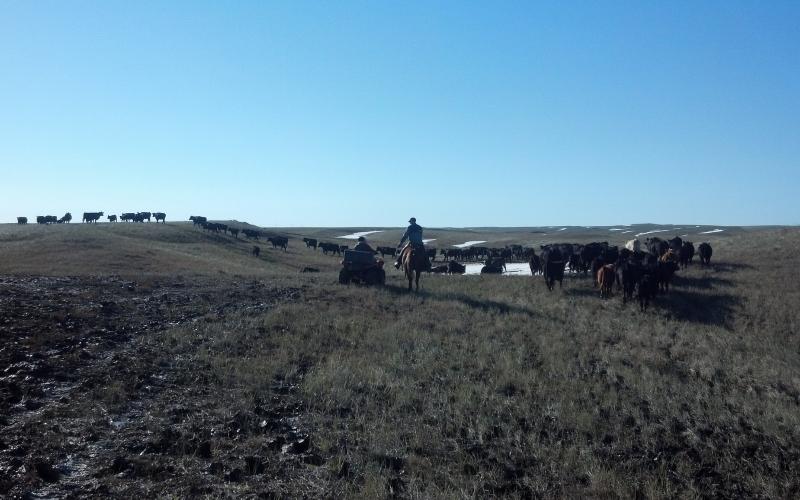
Late-Term Reproductive Losses in Beef Cattle: Diagnosing the Cause
Reproductive losses account for $1 billion in lost revenue to the beef industry each year. With cattle reproduction, focusing on what we can control and diagnose is the key to avoiding these losses.
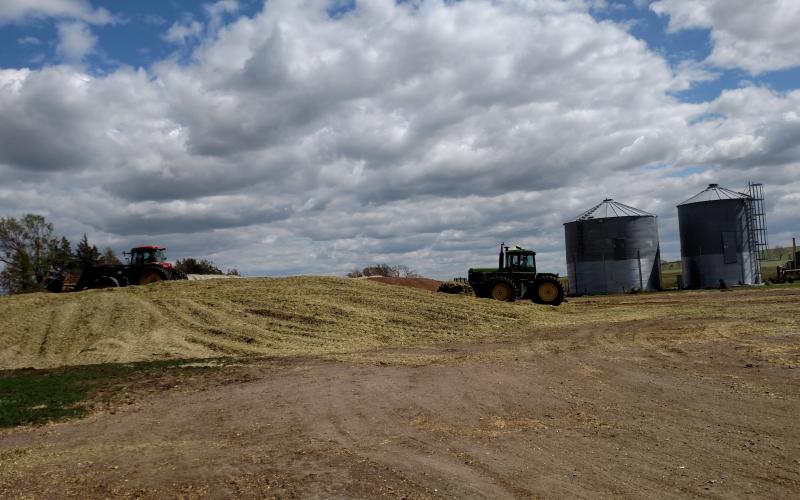
Silage Moisture Testing Tips
Two key points to keep in mind when making high-quality silage are moisture content before harvest and nutrient content before feeding.

Junior Arborist Activity Guide
The Junior Arborist Activity Guide provides objectives, content, equipment and supplies needed to complete 8 modules of arboriculture instruction, helping schools and other educational programs to create a youth arboriculture program of their own.

Capsicum Oleoresin Fed to Grow-Finish Pigs Improved Carcass Value
Feed additives are low incorporation, non-nutritive, feed ingredients designed to provide benefits in the growth, feed efficiency, and/or feed intake of animals and ultimately lower the cost of production.