Search

Guidelines for Serving Samples at the Farmers Market
One way to increase sales at the farmers market is to offer samples. Vendors need to plan ahead to make sure they are in compliance with sampling regulations.
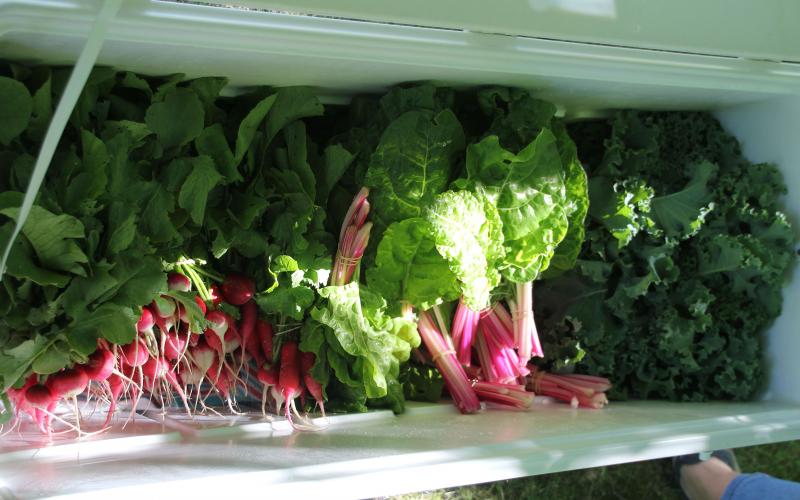
Container Gardens and CSAs
Just about all of us have room to grow a few vegetables, as long as you have some space where they can get good sun exposure for at least six hours a day. You don’t even have to have a garden!
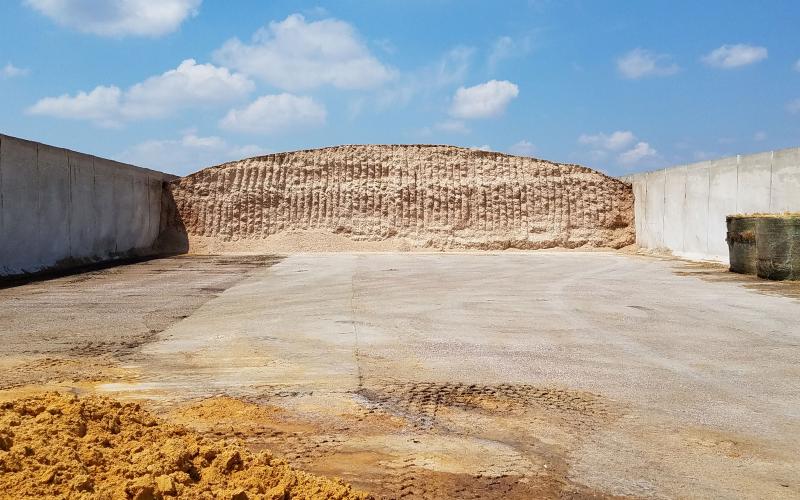
Valuing High-Moisture Corn and Earlage
A key advantage to using commodities that meet standard specifications and are frequently traded is that it is very easy to establish an economic value that is accepted by most users. The marketplace sets the value of corn, and other feedstuffs on a daily basis, provided those products meet some set of standard specifications.

SDSU Extension experts win national agricultural association awards
July 30, 2026
South Dakota State University Extension experts were recognized nationally for their excellence in outreach and Extension programming.
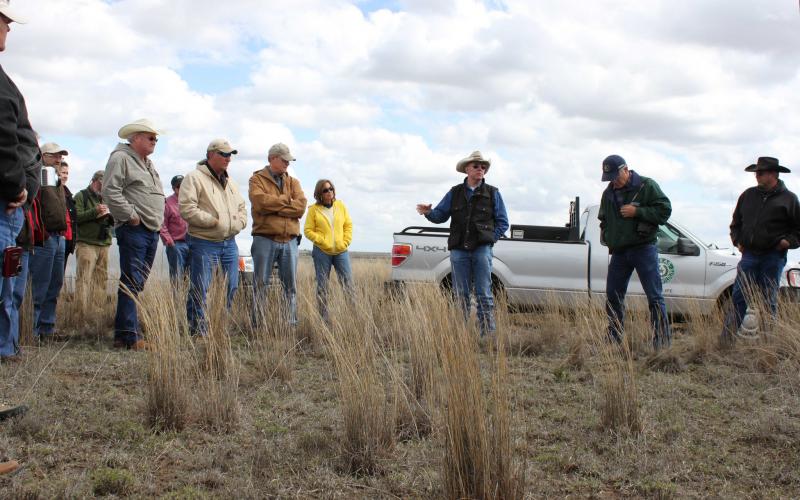
Advocacy in the Beef Industry
Two speakers at the Range Beef Cow Symposium addressed today’s issue of disconnect between consumers and producers. With the majority of the population being at least three generations removed from the family farm, it is important for farmers and ranchers to tell their story and help the consumer understand how their food is produced.
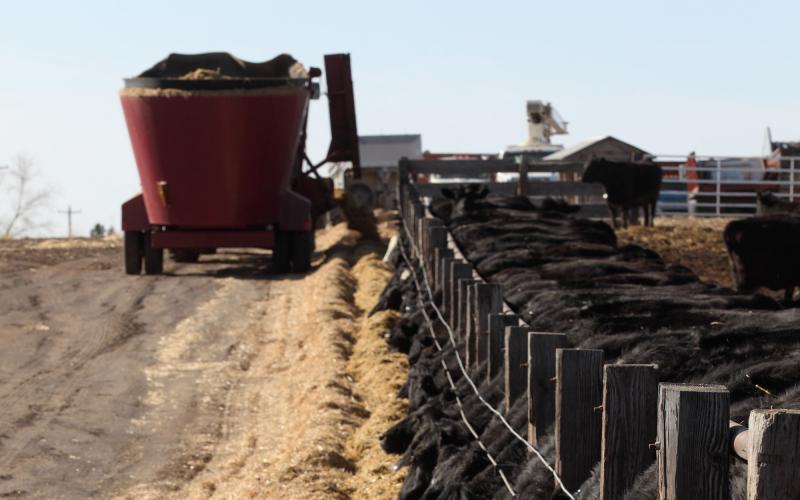
What Goes Into Calculating Yardage?
Yardage cost is the non-feed cost per head for every day that an animal is fed harvested feed in some form of confinement. Yardage is usually associated with calves and yearlings in the feedlot, but this concept can apply to drylotted or wintering cows as well.
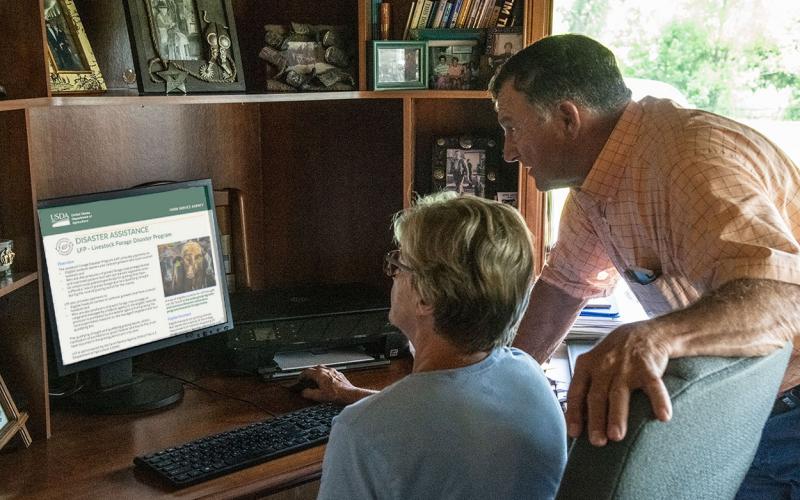
Drought Assistance Questions Answered
Dry conditions persist across the state, and many new questions are being asked regarding the federal assistance programs available from the U.S. Department of Agriculture Farm Service Agency.
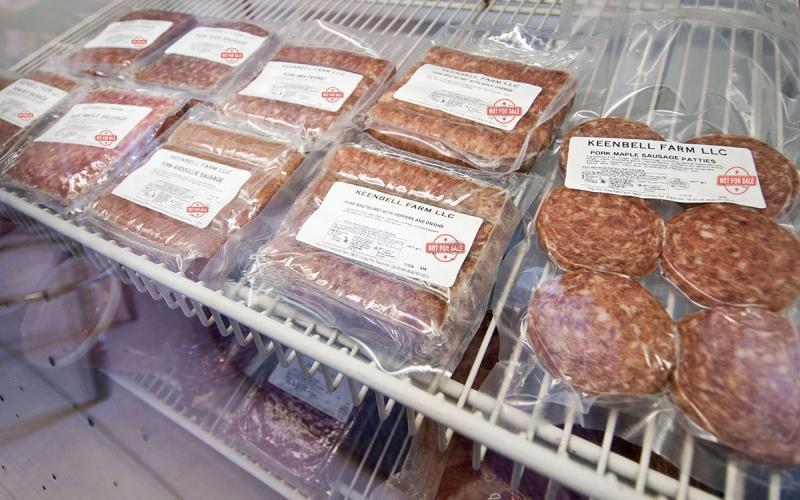
Meat (Not) For Sale
Before buying meat from local livestock producers, take the time to understand the rules and regulations of local meat processing.
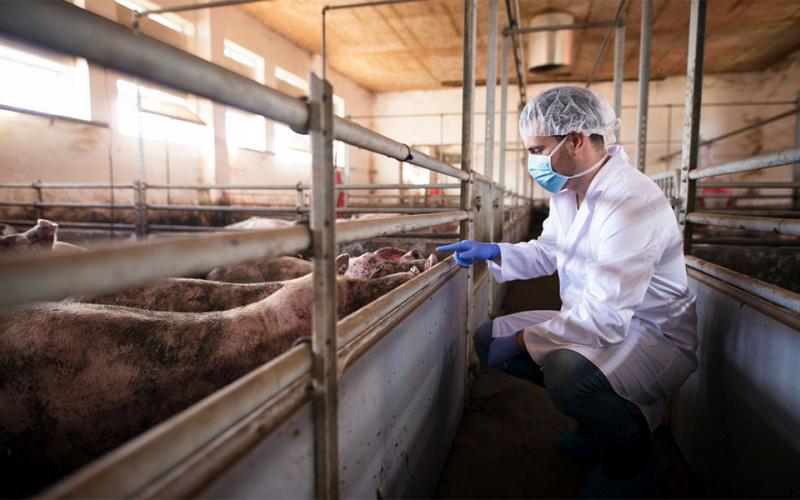
COVID-19 Safety Guidelines for Essential Swine Industry Employees
America’s pig farmers doing the right things to protect people, pigs, and the planet continue, even during this challenging time.
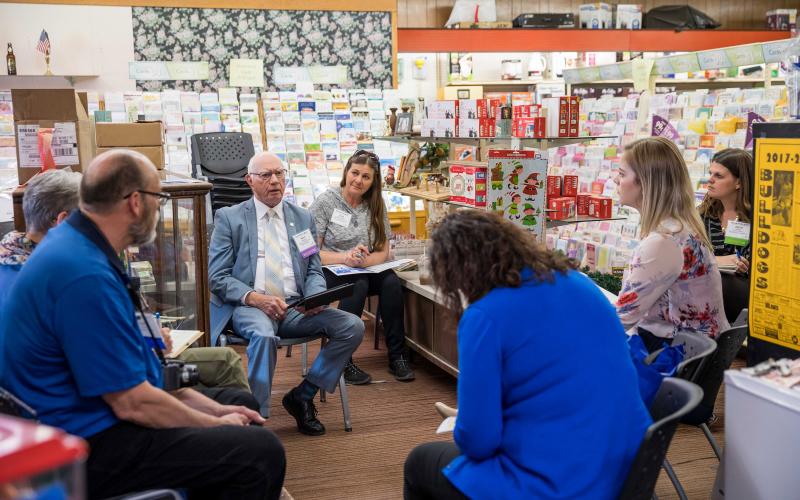
Funding Community Projects: Keeping Healthcare in Your Community
Faulkton’s hospital was getting old. Something had to be done or it would be lost.