Search

Cattle Weights Responding to Markets
Recent values reported by the USDA National Agricultural Statistics Service indicate another increase in the value of cattle production at the state level for the year. The high price levels are also strong incentives to deliver pounds and calves to the market.
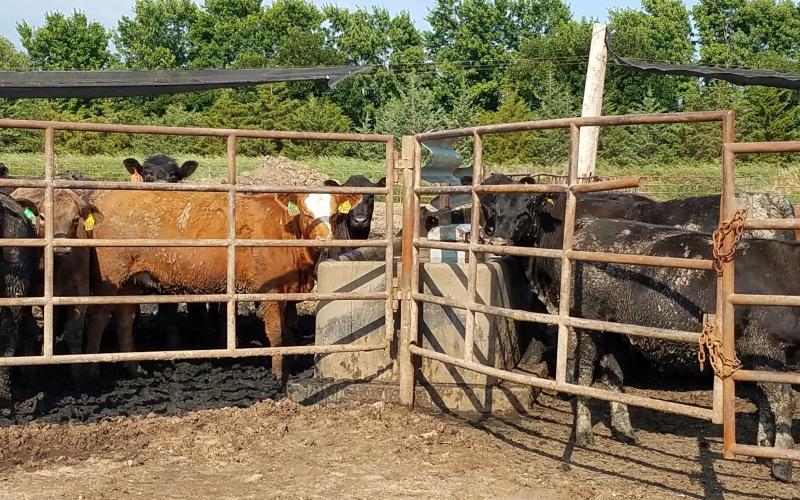
Adding Value to Corn Through Cattle
What is the “best” way to evaluate profitability of an enterprise, more specifically feeding cattle?
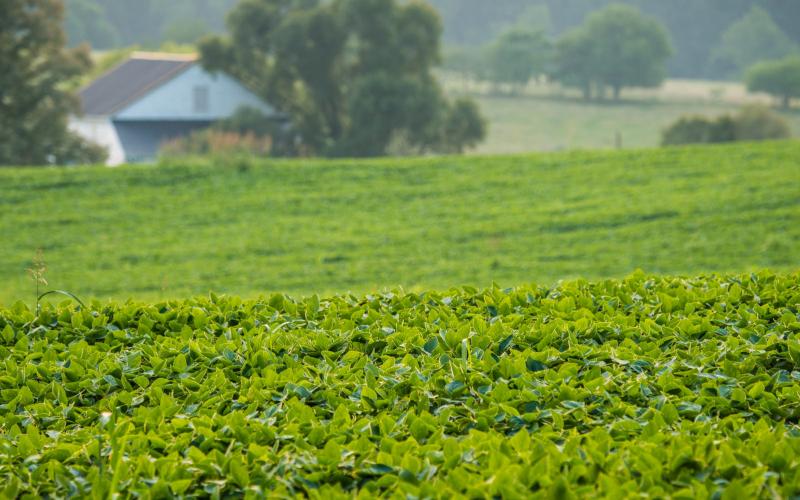
Soybeans & Sunflowers: Alternative Cattle Forages
Alternative forages like soybean silage or hay, and sunflower silage, can help stretch conventional forage supplies and help avoid overgrazing pasture.
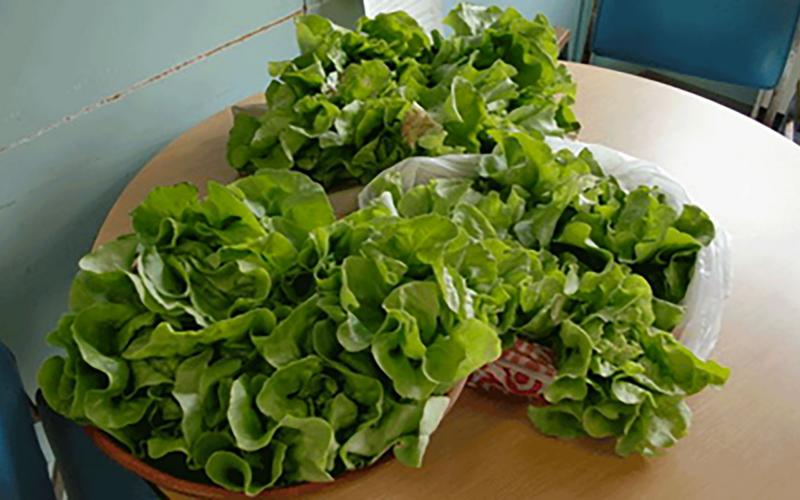
Best Practices When Harvesting Leafy Greens for Market and Home
The harvesting of leafy greens to maintain quality and safety focuses on the key risk factors from the time harvest begins to selling at market. The food safety risk factors involve temperature, time, water, worker hygienic practices, and food contact surfaces.
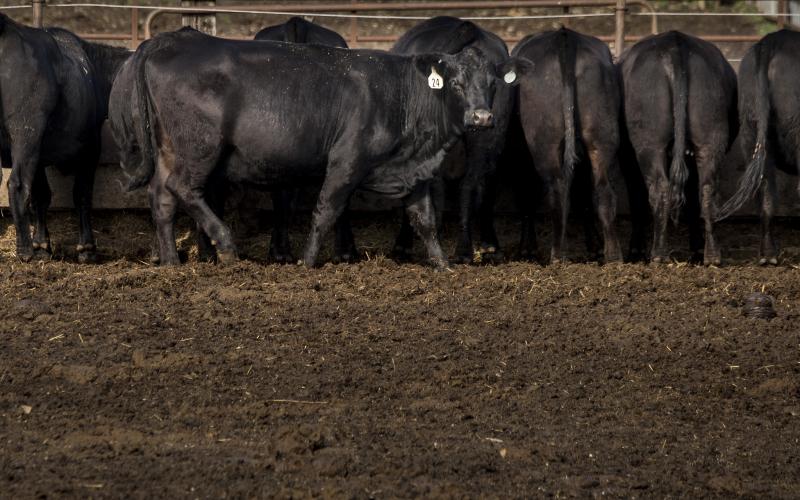
Do Temperament and Breed Type Play a Role in Feeding Efficiency and Carcass Quality?
Is there a relationship between temperament and profitability in cattle? A recent study conducted by Texas A&M University took a closer look at the impacts that temperament and breed types can have on feedlot growth performance, feed efficiency, feeding behavior, carcass characteristics, and value in finishing beef heifers.
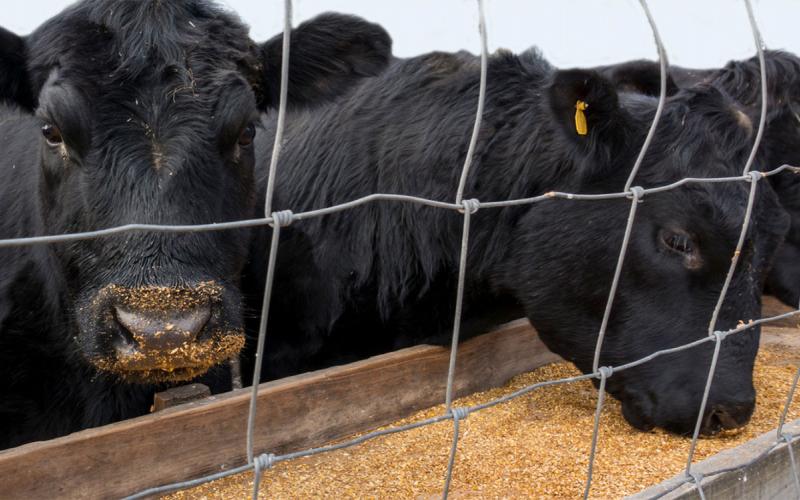
Raising Freezer Beef: How To Feed Grain-Finished Beef
A trend that has become more prominent in recent years is for ranchers to finish a few animals and sell beef directly to the consumer. This article will address a few options for hand-feeding a small group of cattle to finish.
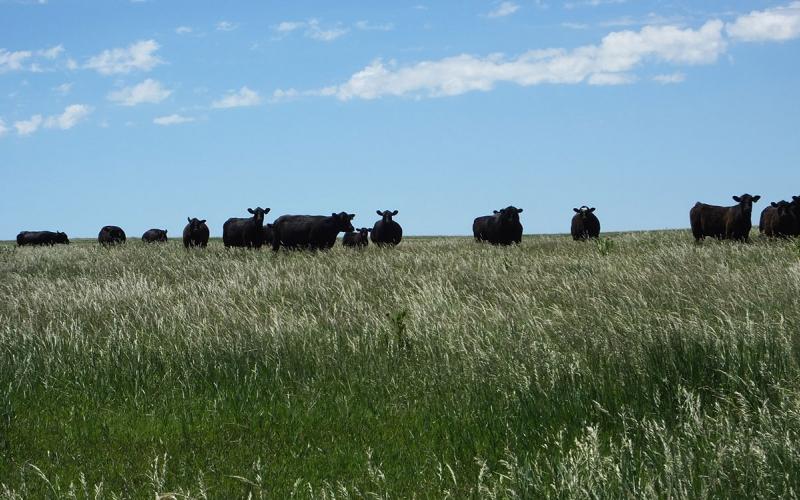
Grass-Fed Beef: Production Costs, Quality, Voluntary Certifications and Marketing
Generally speaking, grass-fed beef producers are challenged with production expenses that are greater than those of conventionally raised beef. However, profit margins can be greater than those of conventionally raised beef if marketed wisely and creatively.
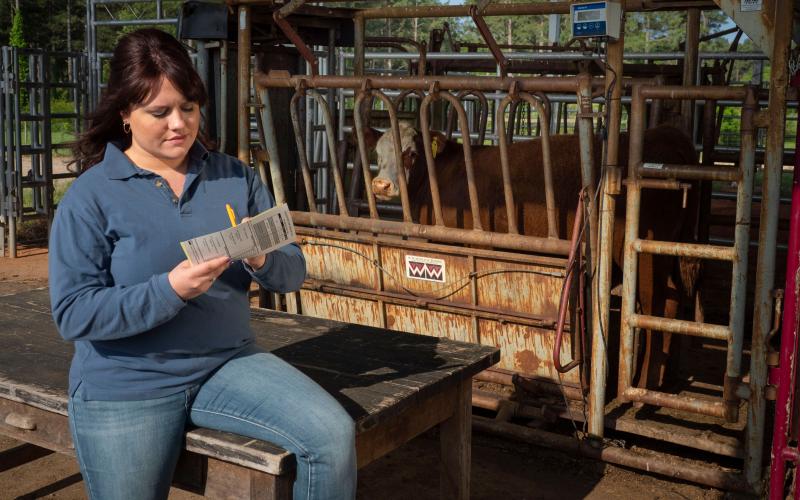
Live Weight vs. Carcass Weight: Effect on Cost of Gain and Margin
More cattle each year are marketed using carcass weight to determine value, sometimes combined with grid premiums and discounts. Can we use the same assumptions for growth and cost of gain when marketing methods differ?
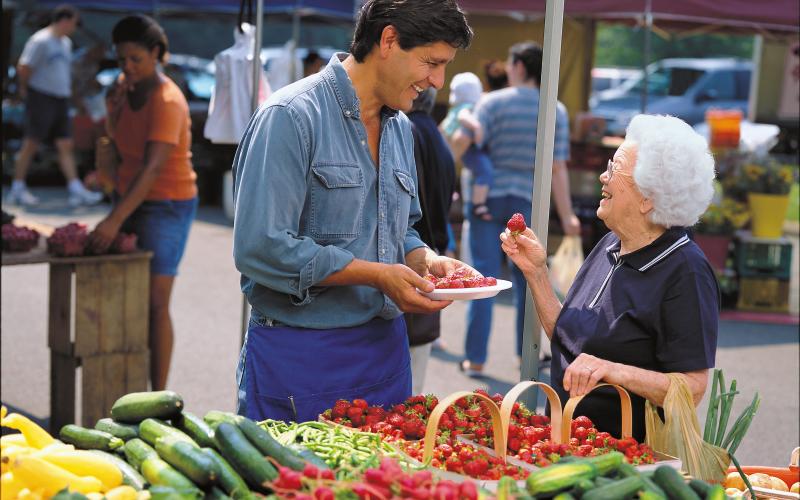
Food Safety from Production to the Farmers Market
Food safety is an important issue at farmers markets. Customers expect the food and products they purchase to be grown and handled so that they will be safe to consume. Vendors have a responsibility to grow and handle food using good food safety practices.
Calves From Other Sources
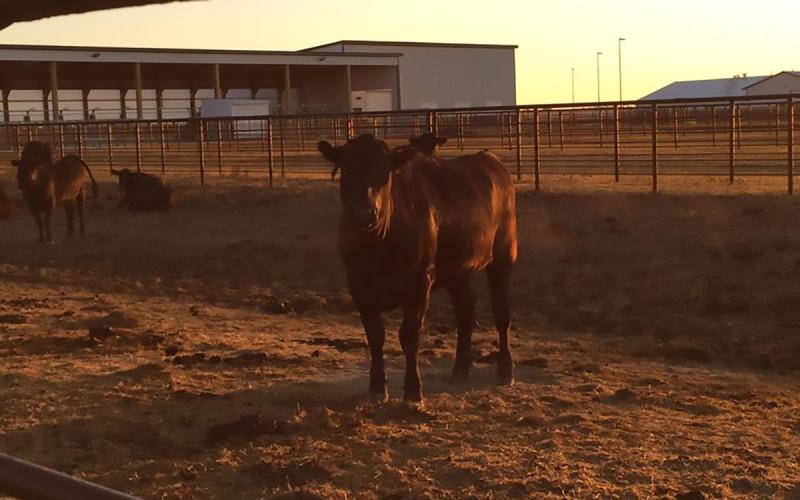
A few longer-run trends continue to dominate the supply-side story of cattle in South Dakota. Beef cow numbers continue to decline. The number of feeder cattle outside of feedlots has remained stable.