Search
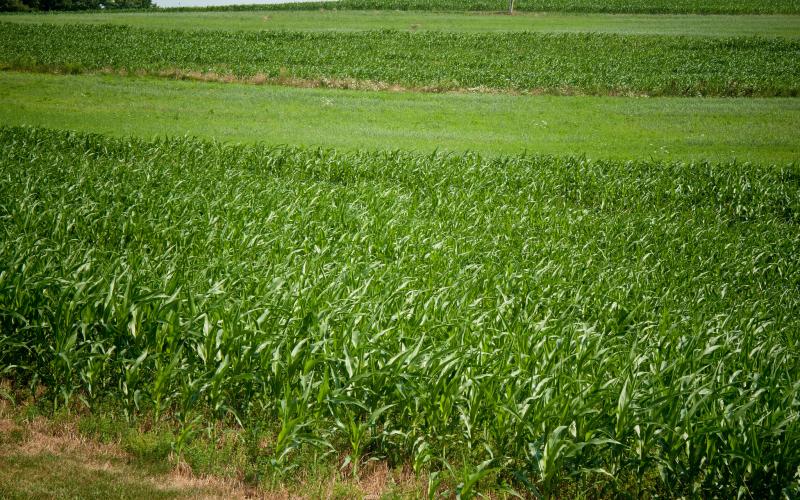
Crop Rotation Potential: Improving Soil Health & Farm Profitability
Two-year corn-soybean rotation coupled with heavy chemical inputs has become the routine practice of agricultural production in the Midwestern United States. According to USDA/NASS data, corn and soybean prices received by producers in South Dakota both reached the peak levels of $7.39 and $16.00 per bushel, respectively, in August, 2012.
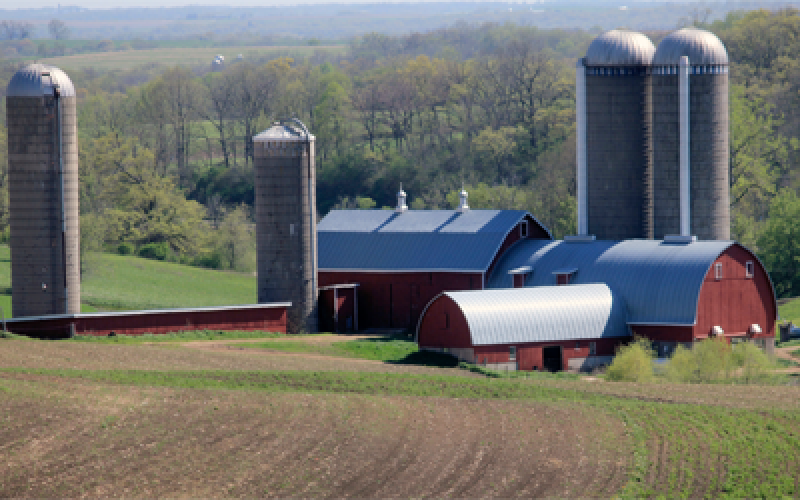
Farm Structure Trends
Farm decisions are often undertaken with a very long outlook. The purchase of land or a change in a cropping system are not choices done with short-run gains in mind. As a result, structural changes in agriculture are often slow to occur and to observe.
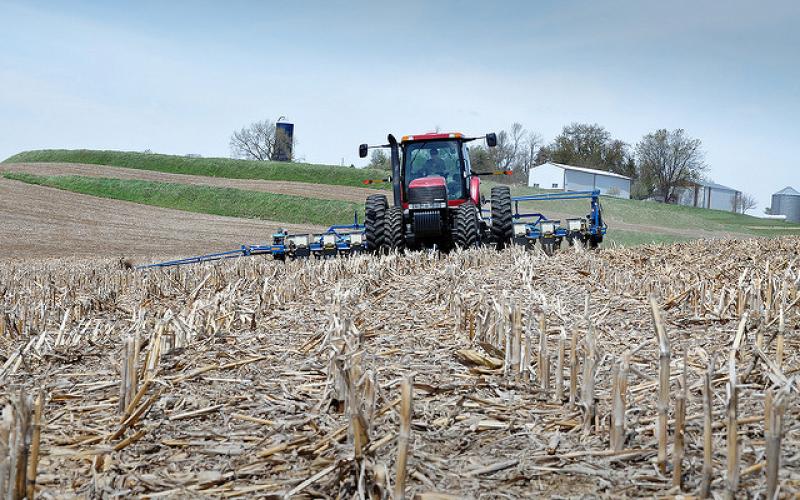
Project to Study Soil Health Economics in South Dakota
Soil degradation has become one of the most pressing global issues, because of its adverse effects on world food security, environment and quality of life.

Your Town Matters! Shop Where Everybody Knows Your Name
Shopping local allows you to make a difference in your hometown. Locally owned businesses reinvest a large share of their revenue back into the local economy, enriching the whole community.
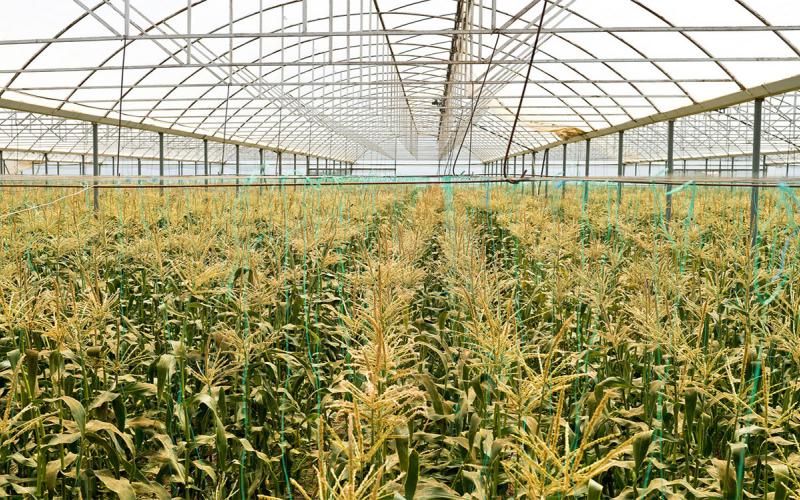
Consumer Demand for Genome-Edited Crops: Implications for Farmers’ Adoption Decisions
Genome-editing is a breakthrough technology for crop improvement that makes site-specific modifications in the genomes of cells and organisms.
USDA-ARMS Survey Data: Benefits for university agriculture research & outreach
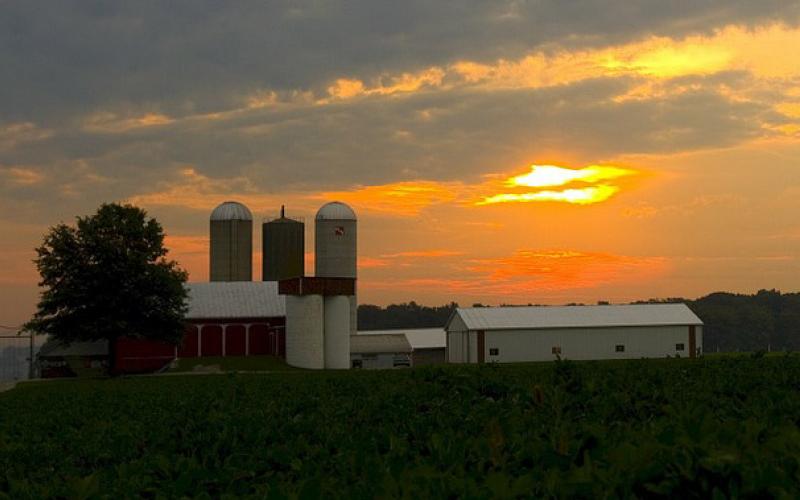
Conducted since the mid-1990s, the USDA Agricultural Management Resource Survey (ARMS) is a multi-phase, multi-level nationwide survey of agricultural producers that collects information on a large sample of farms and their characteristics.
Alternative Management Strategies for Culled Cows
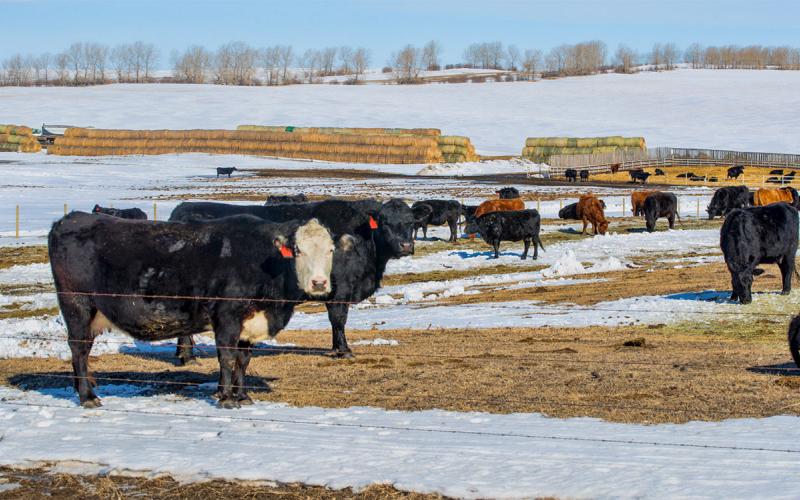
Traditionally, keeping open females is not a popular option. However, variability in cull cow prices and feed costs may provide an opportunity to consider other options.

Ready, Set, Manage Hay Differently
Feed is expensive and sometimes hard to find. Pasture prices, harvest expenses, hauling and waste add to the total feed bill. Evaluate your forage situation this winter and make changes that improve your profitability.
Beef Carcass Yield Grades: What do they mean and how are they calculated?
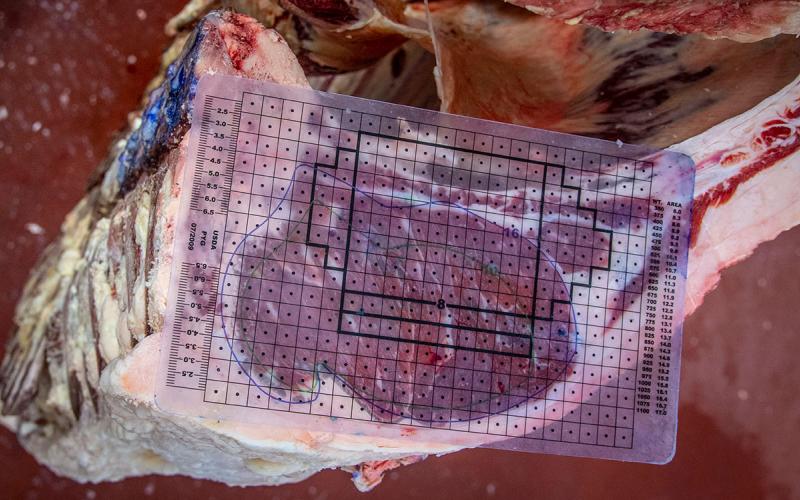
Beef carcass yield grades are used to estimate cutability, which is the amount of boneless, closely trimmed retail cuts from the round, loin, rib and chuck a carcass will yield.
The Power of Women as AgVocates Rescheduled to March 4 and 5
February 08, 2022
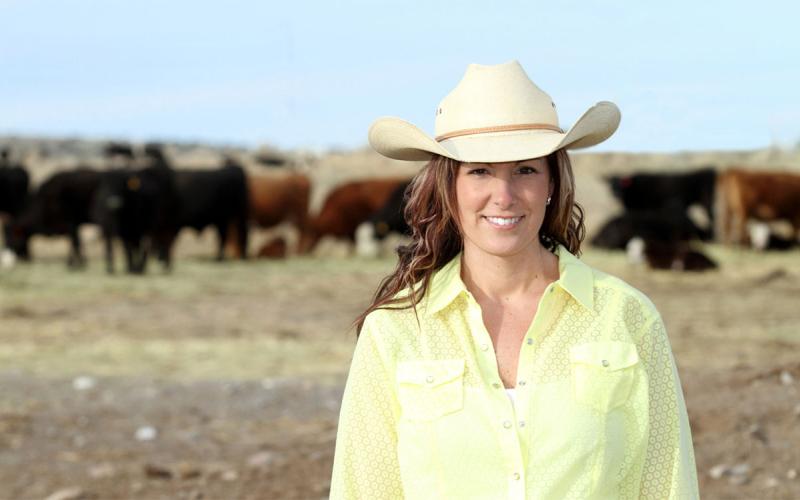
The Power of Women as AgVocates Conference has been rescheduled for March 4-5, 2022 in Fort Pierre, South Dakota at the Casey Tibbs Rodeo Center and the Missouri Avenue Event Center in Pierre.