Search
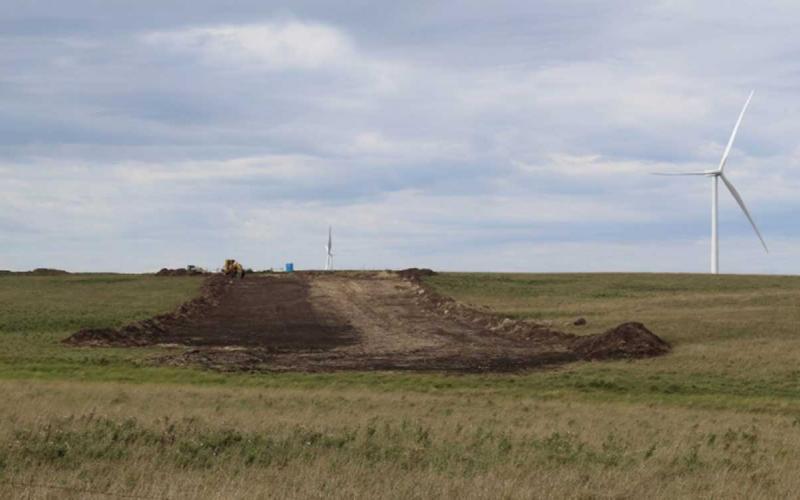
Understanding Contract Language and Restoring Native Grassland Damage after Energy Development
Energy development on private lands can result in locally heavy land manipulation. Of particular concern is the manipulation of native grasslands and other sensitive areas and how it will affect those areas in the short-and-long-term.
SDSU Extension Releases Guide for Landowners Involved in Wind or Energy Development
September 18, 2020
Recent energy development projects have impacted several regions of South Dakota with disturbance to native soils.
Virtual Eastern South Dakota Water Conference to be Held October 14
September 22, 2020
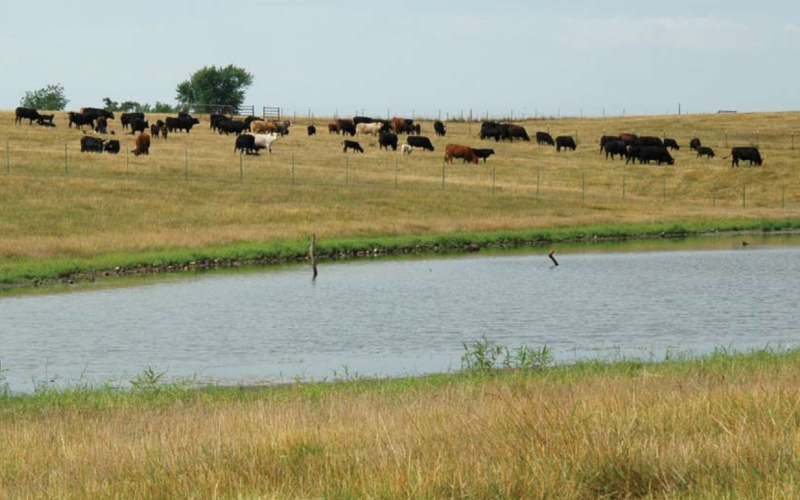
The 2020 Eastern South Dakota Water Conference, sponsored by the South Dakota Water Resources Institute, will be held Wednesday, October 14, from 9:00 a.m. – 2:00 p.m.
COVID-19 Tips for Farms and Ranches
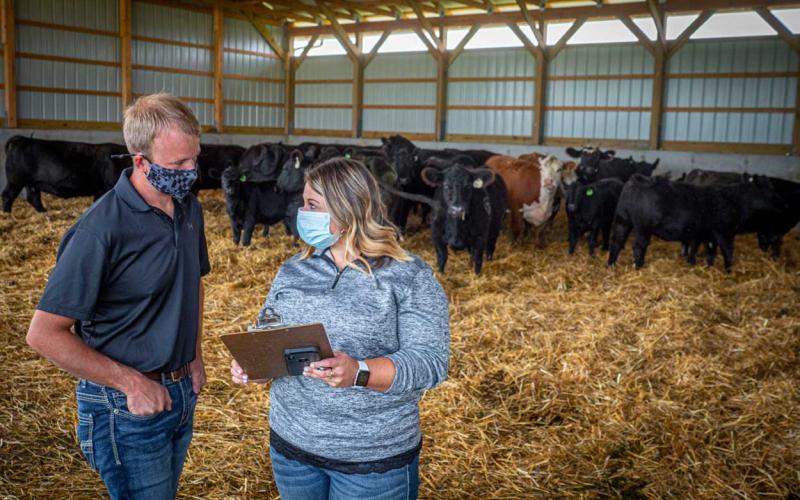
Continuing to keep employees and family members healthy through the COVID-19 pandemic will require extra effort as you enter the busy time of fall harvest.

Getting Ready for Winter on the Range
During periods of summer and fall drought, winter grazing opportunities may be limited or not available at all. Ranch managers must ensure that enough residual plant height and vegetation cover of the soil surface is available through the winter to aid in recovery of the rangeland.
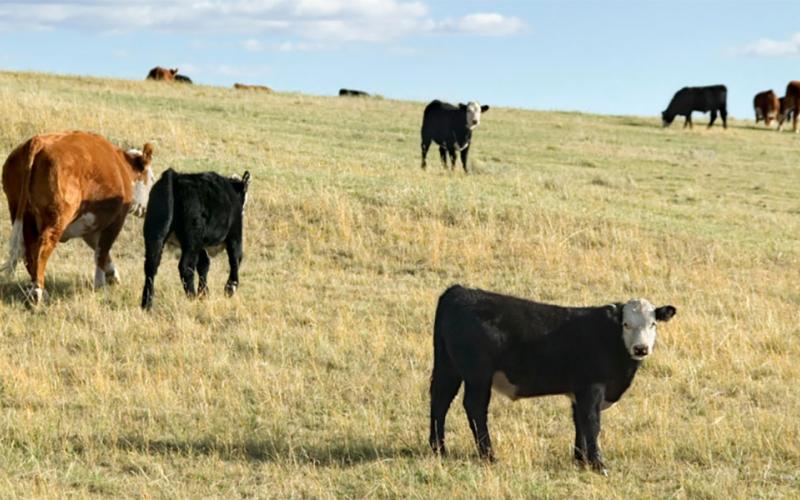
Barriers To Rotational Grazing: Perceptions From Ranchers in the Dakotas
Despite the potential benefits of rotational grazing, its adoption rate has stagnated in recent years. To help understand major barriers faced by producers towards rotational grazing, we conducted a survey among ranchers in the U.S. Great Plains.
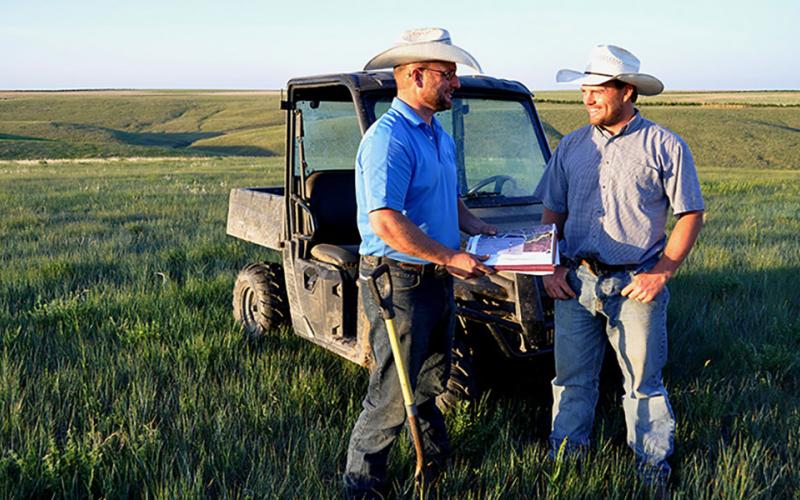
The Importance of Math in the Art of Grazing
It might seem a bit silly to check in on your stocking rate calculations, but it is something that is undoubtedly worth your time, whether you’re a seasoned rancher or you’re still trying to get your feet under you.
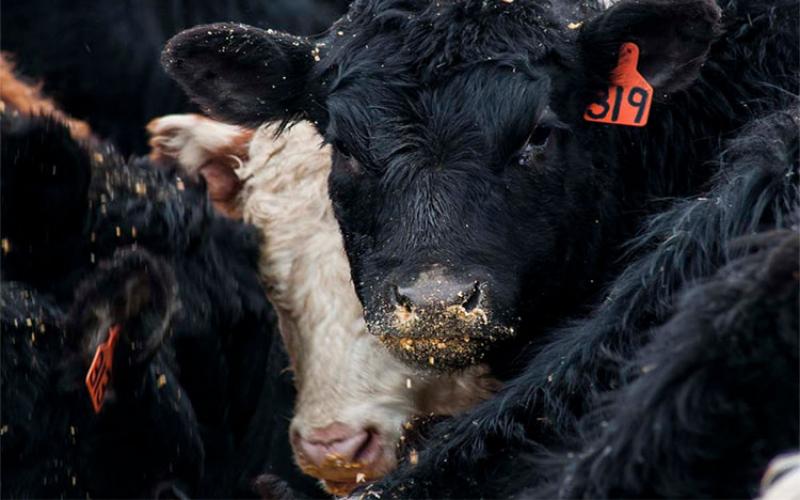
Calf Value Discovery Program
The Calf Value Discovery Program enables cow-calf producers to assess the value of their cattle in value-based marketing systems and gain valuable carcass and feedlot performance information to aid in management decisions and improve profitability.
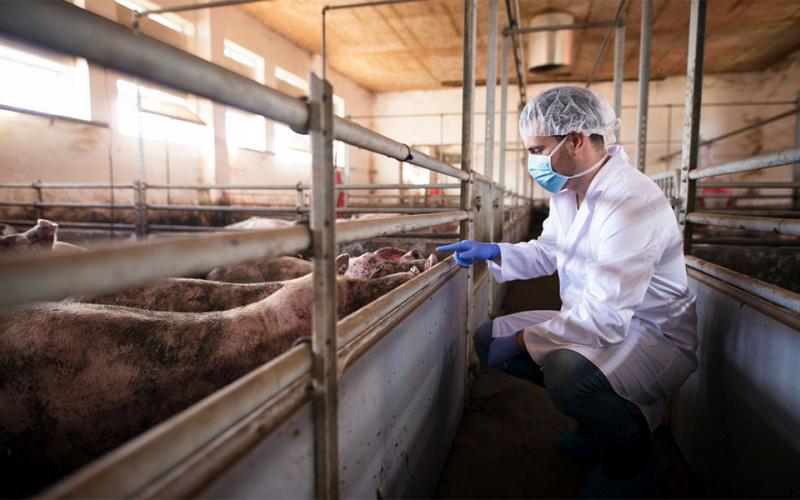
COVID-19 Safety Guidelines for Essential Swine Industry Employees
America’s pig farmers doing the right things to protect people, pigs, and the planet continue, even during this challenging time.
USDA: CFAP 1 Program Payment Benefits to Producers
In examining the USDA Coronavirus Food Assistance Program 1.0 website, we are able to directly see the impact of the program and the payments made to producers across the country.