Search
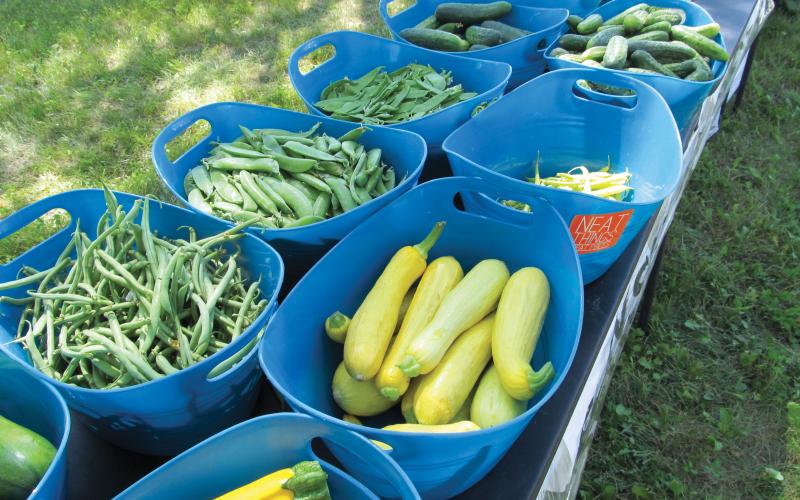
Food and Product Regulations for the Farmers Market
Food safety regulations can come from the federal, state or local government. This article provides information on numerous regulatory topics as they apply to vendors and market managers involved with farmers markets.

Decisions for Farmers Market Setup and Operation
Farmers markets are unique because they represent multiple, individual vendors under a single name, location and organizational identity. Before the first selling day, a farmers market will need to do many of the things that each vendor does for their farm. For example, selecting a name and creating a logo for the market.
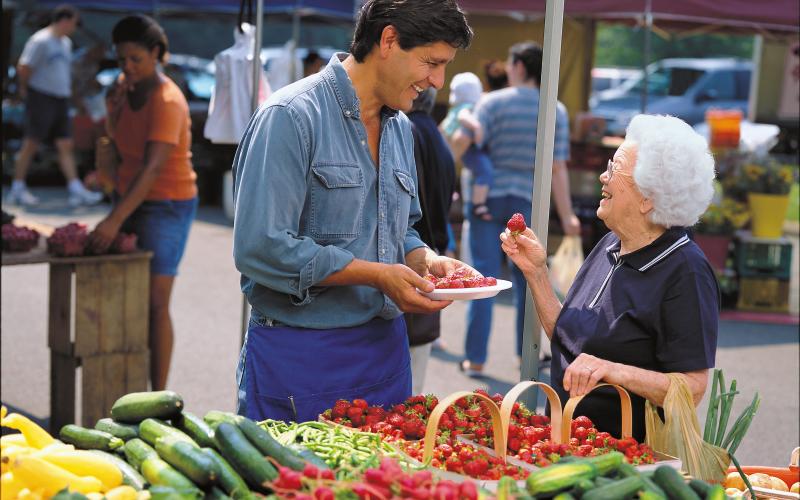
Food Safety from Production to the Farmers Market
Food safety is an important issue at farmers markets. Customers expect the food and products they purchase to be grown and handled so that they will be safe to consume. Vendors have a responsibility to grow and handle food using good food safety practices.
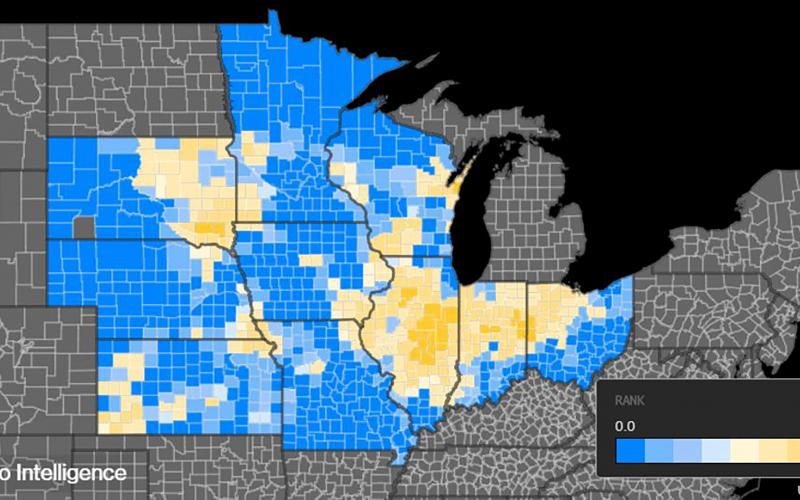
Stretching Corn Silage Supplies
During the 2002 drought there was a need to stretch corn silage supplies as a result of the drought that affected the U.S. Now we deal with the opposite scenario, where excessive spring rains have not allowed farmers to get to the fields. In both situations livestock producers face challenges.
![A herd of cattle gather around a stock pond on a vast, lush grassland. Courtesy: USDA [CC BY 2.0]](/sites/default/files/styles/teaser_800x500/public/2019-05/W-00231-00-cattle-grazing-grassland-pasture-range.jpg?h=8f818b46&itok=6GS1_Ww0)
2017 Weed Control: Pasture and Range
There are 24 million acres of native and tame pasture and range as well as 1.4 million acres of grass hayland in South Dakota.
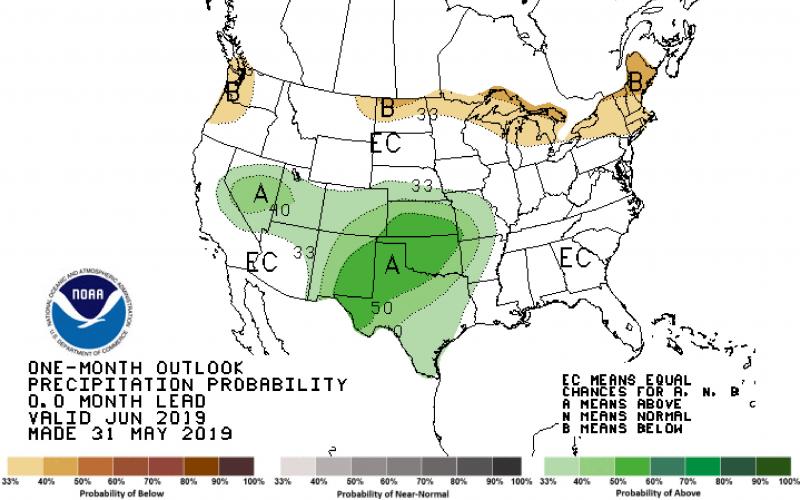
June 2019 Climate Outlook for South Dakota
As South Dakota emerges from the wettest 12-month period in 124 years of climate recordkeeping (June 2018-May 2019), June has started warmer and drier than average. The outlook, however, turns towards cooler and wetter than average again for the middle of the month.

Leveling the Playing Field for U.S. Corn
Corn grain has been for a long time the world standard when it comes to energy feeds for livestock. It has been traditionally a quite homogeneous, energy-dense feed, only surpassed from this perspective by oils and fats or by other feedstuffs also rich in lipids.
Creating a Secure Pork Supply Plan
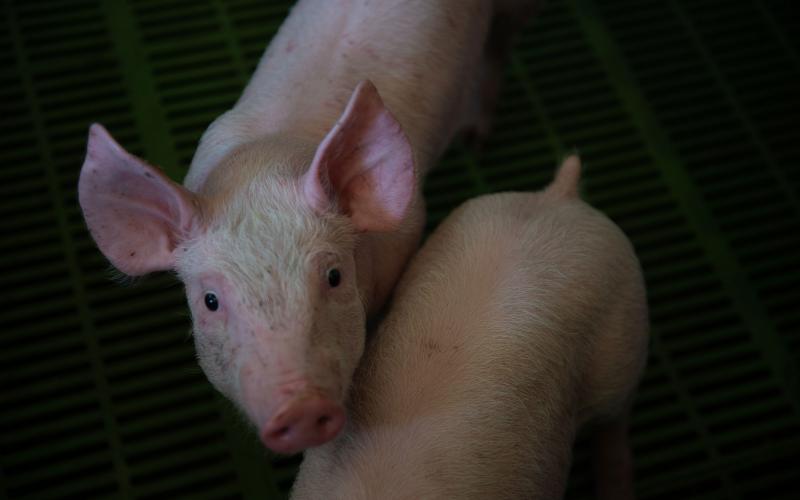
African Swine Fever and preparing for foreign animal disease outbreaks is at the forefront of people’s minds. Your state animal health officials offer guidance for participating in the Secure Pork Supply (SPS) Plan. Let’s take a closer look at the critical steps in developing a personalized SPS Plan for Continuity of Business.
July 2019 Climate Outlook: Challenges Continue
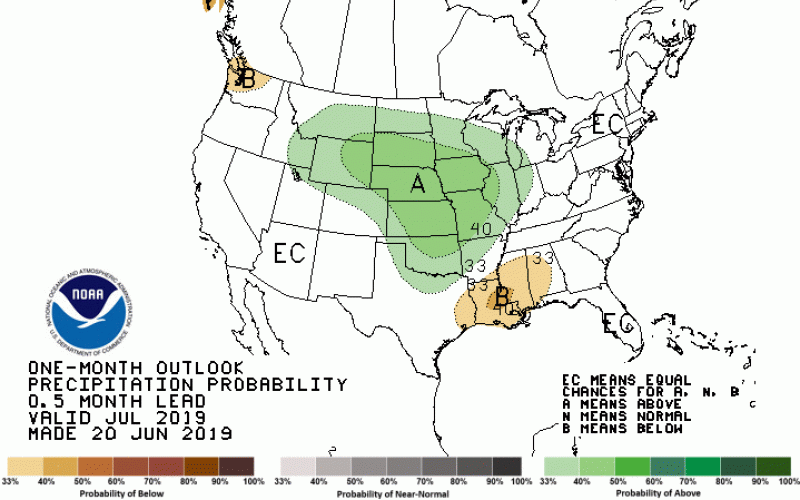
This year’s seasonal pattern of wetter than average conditions is projected to continue through July and the rest of the summer season. The latest climate outlook, released June 20, 2019, shows an increased chance of wetter than average conditions in the next one to three months for the state of South Dakota.
Buying or Selling Oats for a Cover Crop? Be Sure to Follow the Rules
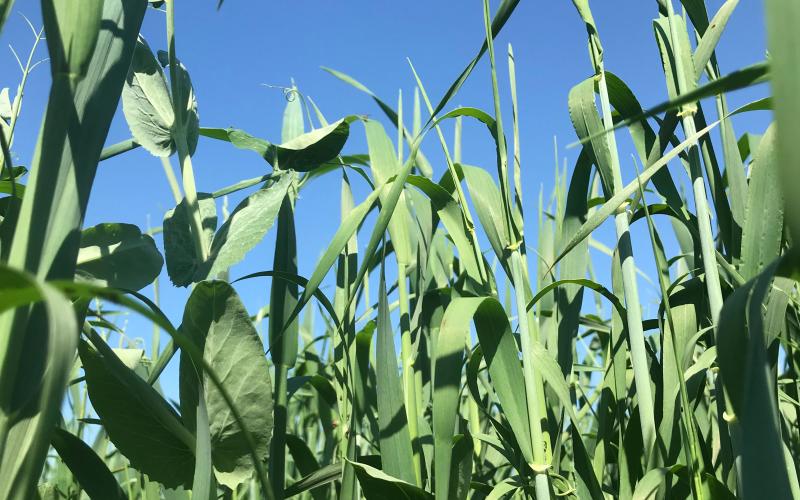
As a challenging 2019 row crop planting season wraps up in South Dakota, many producers are looking to plant cover crops on unplanted acres. One popular cool-season grass cover crop is oats. Most oats in South Dakota are grown as certified varieties, and it is important to be aware of the legal ramifications behind purchasing oat seed for use as a cover crop.