Search
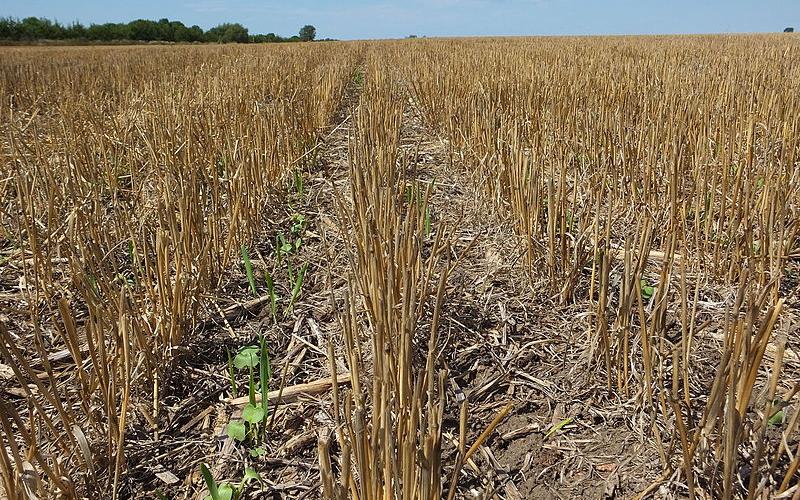
Cover Crop Adoption: Farmers’ perceived benefits & barriers
Cover crops are generally defined as crops planted between cash crops to cover and protect the soil. Some demonstrated benefits of cover crops include: reduced soil erosion, increased soil organic matter, increased biological variety, increased nitrogen supply, and weed control. Depending on the farmers’ objectives, different species of cover crops can be planted. For example, if a farmer’s main objective is to increase nitrogen supply, then legume cover crops best suited to the farm area should be selected.
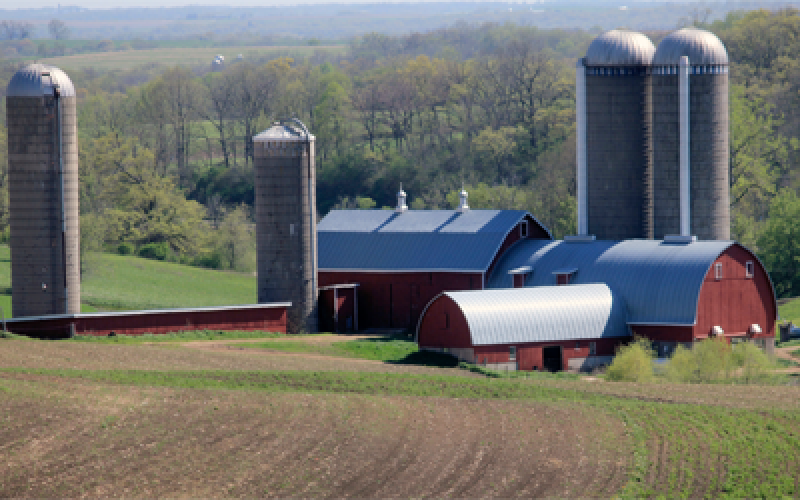
SDSU Extension Increases Access to Sustaining the Legacy Conference
September 23, 2021
Starting in the fall of 2021, SDSU Extension will host two-day Sustaining the Legacy Conferences in five different locations across the state of South Dakota.
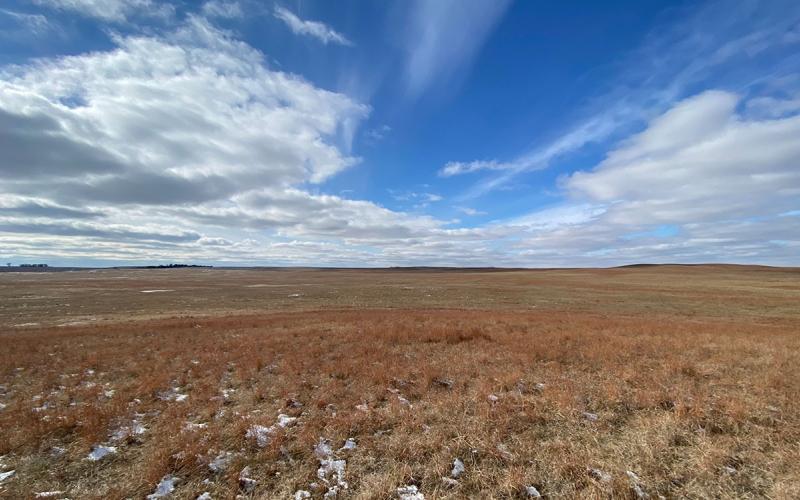
Climate Resilience Toolkit for the Northern Plains Region
In September 2021, the U.S. Climate Resilience Toolkit announced the publication of a new Northern Great Plains Region section. The new section can help producers recognize climate hazards, assess vulnerabilities and confront risks.
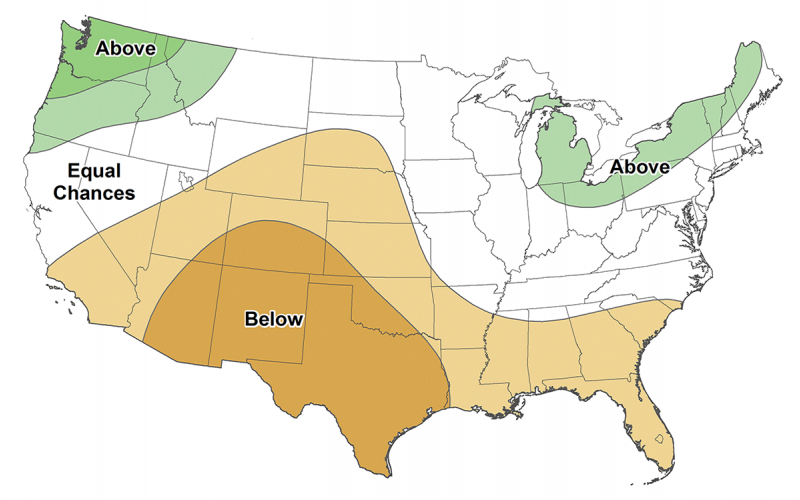
2021 Fall and Early Winter Climate Outlook
The latest monthly and seasonal climate outlooks were released Sept. 16, 2021 by National Oceanic and Atmospheric Administration’s Climate Prediction Center. Forecasters are pointing towards a warmer than average October, with odds leaning towards drier conditions for the last few months of the year.
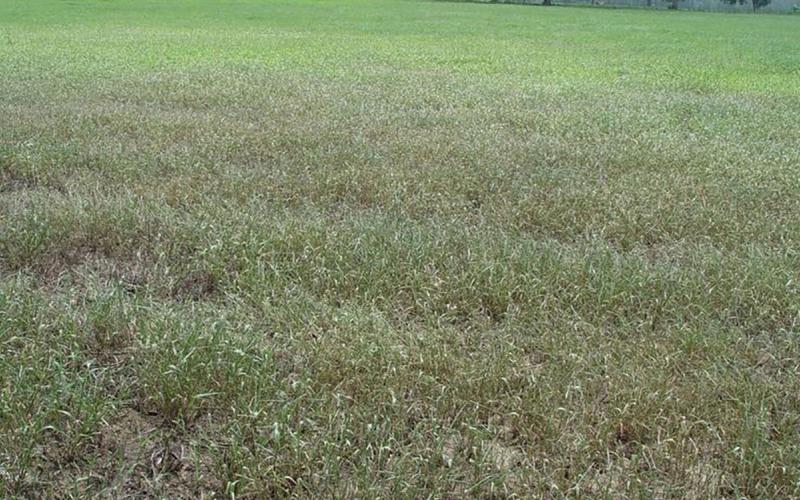
Fall Armyworm Caterpillars Causing Issues in South Dakota
This week we started to receive reports of pastures and alfalfa stands that have been heavily fed on by fall armyworm caterpillars. Typically, these pests are not an issue in South Dakota. However, populations have been very large in many states during 2021, and they have now moved into South Dakota.
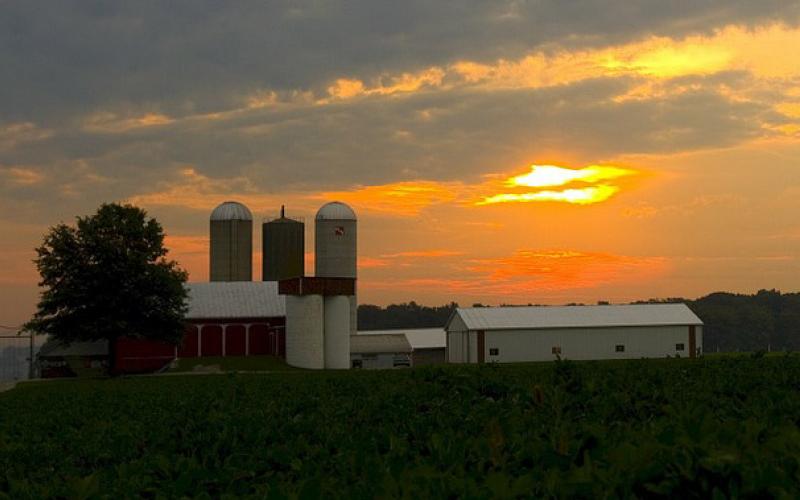
Farm Size and Efficiency
Growth is a common denominator of various business objectives. A business may want to grow profits, sales, market share, etc. The growth of a business itself usually refers to growth in equity, or growth in assets after debts have been paid. Farms, from a business perspective, are no exception. Farmers seeking to grow equity need to be willing and able to retain earnings and cannot be overleveraged.

Farming Strategies for the Future
There was a time in agriculture when greater yields always meant greater profitability. Today’s economic environment is characterized by high input costs and depressed commodity prices. Under this scenario when the optimum input/output relationship has been attained, more inputs do not necessarily result in greater returns on investment. Therefore, todays’ agriculture paradigm requires management that addresses production “optimization”. This is the point where a previously known level of inputs maximizes outputs before incurring into greater investments that result into diminishing returns.

Workforce Development
SDSU Extension's Workforce Development course is designed to provide a suite of workforce development resources for employees to complete at their own convenience.
Engineering Cooperatives in the 21st Century: Education, Research, and Outreach
The Cooperative structure represents a unique organization type that is governed/owned by the users of the services and products. South Dakota has many types of Cooperatives, some organizations are not readily recognized as Cooperatives however, like mutual insurance, credit unions, etc. More commonly, Cooperatives are associated with Farmer Cooperatives that are prevalent in South Dakota.
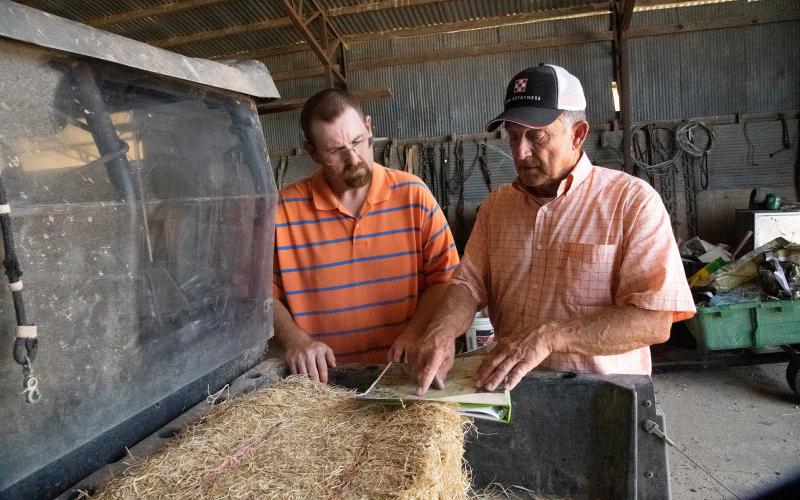
Livestock Risk Protection for Cattle
Price rallies, general price volatility and concern that prices may move lower could lead producers to insure livestock prices. Livestock Risk Protection is an insurance program that covers the single-peril or risk of lower prices on fed cattle and feeder cattle.