Search
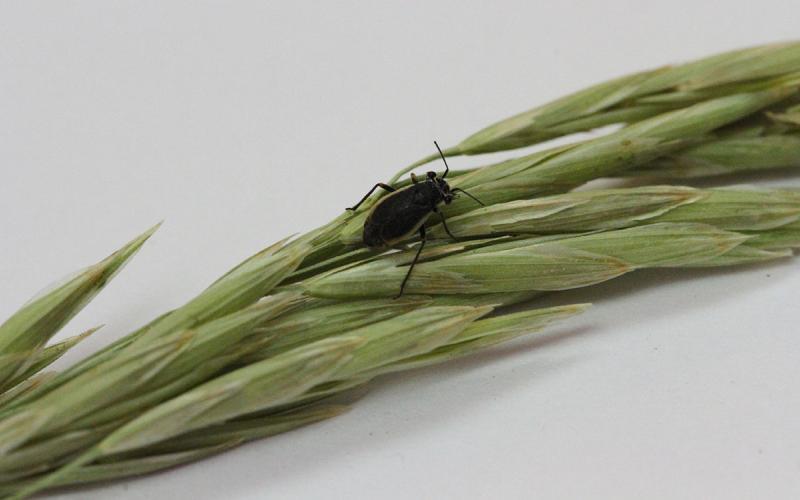
Drought Conditions Magnifying Impact of Black Grass Bugs
With much of South Dakota continuing to experience moderate-to-extreme drought conditions, black grass bugs could become a concern in some areas. Large populations of black grass bugs can cause severe damage to pasture.
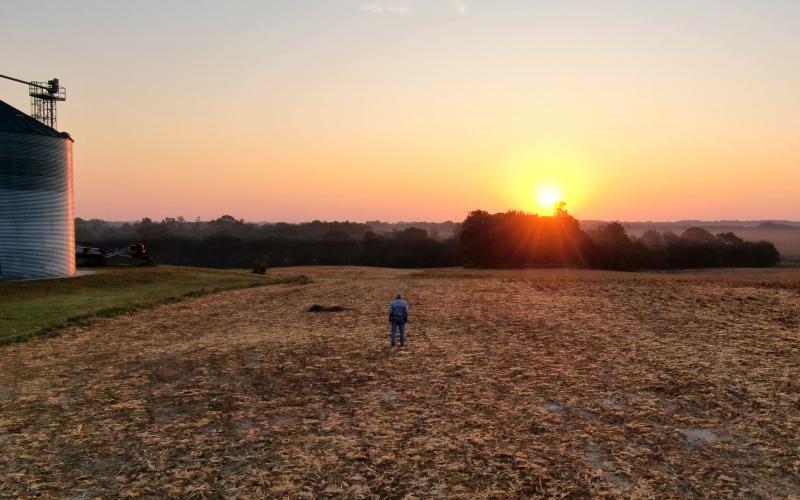
Crop Tolerance to Soil Herbicide Residual
Some herbicides can persist in soil, especially dry soil. Herbicide carryover could be an issue in 2021 across the state depending upon last year’s moisture levels and field conditions.
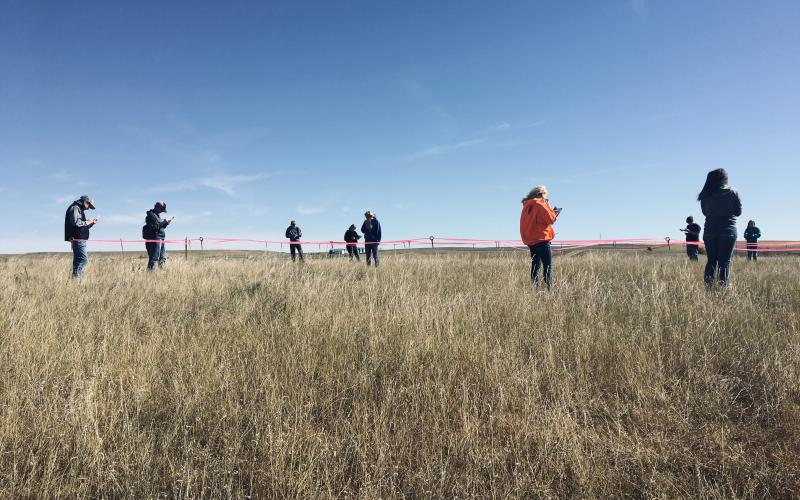
Rangeland and Soils Days set for June 2 in Murdo, Redfield
May 06, 2021
The event will focus solely on the Go-Getter (14-to-18-year-old) division. The Go-Getters will judge habitat suitability for cattle and grouse, in addition to plant identification and morphology.
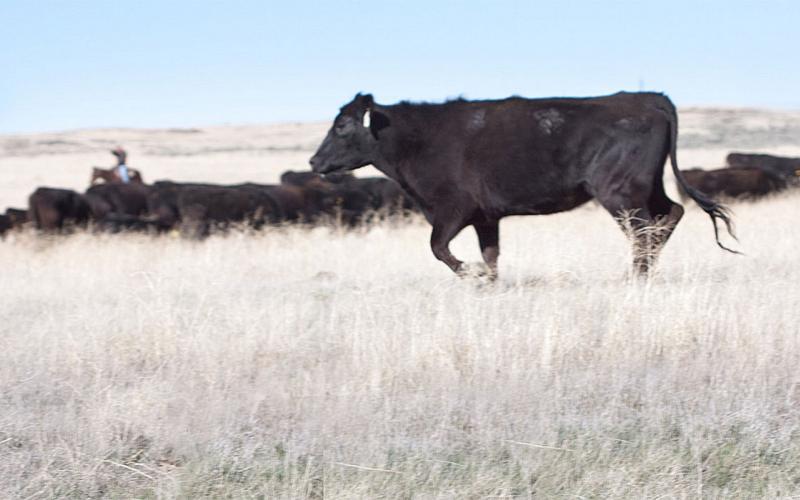
Trigger Dates: Critical Decisions for Drought Management
Having a drought plan in place ensures that you can overcome the inhibitions surrounding a drought response, the basis of which is figuring out trigger dates.
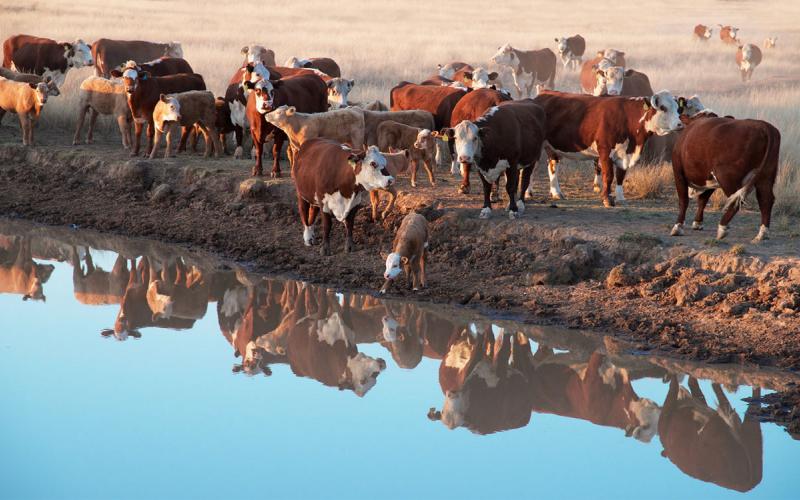
Hot Days Ahead and the Need for Water
Hot summer days are still ahead, and we need to account for water. The amount of water a cow requires varies depending on a variety of factors, including environmental temperature, lactation status and weight.
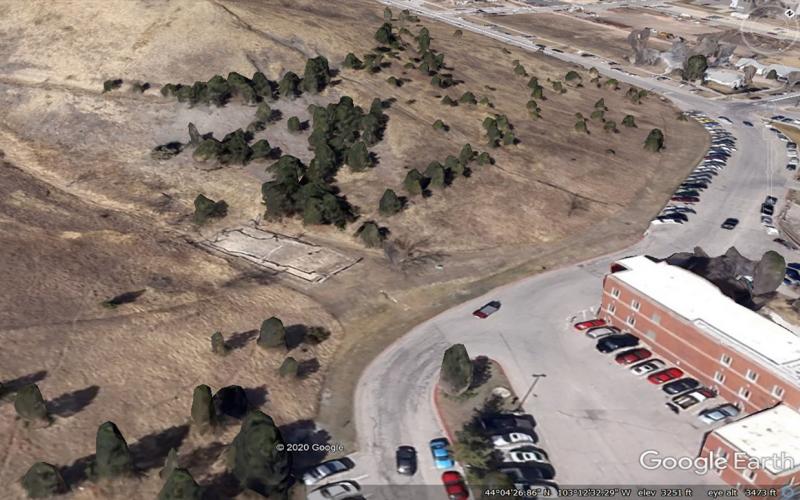
West Dakota Water Development District Looks To Improve Rapid Creek Water Quality Through Stormwater Mitigation and Erosion Control Projects
Two pilot projects initiated by the West Dakota Water Development District are intended to improve water quality in Rapid Creek by reducing suspended sediment loading over time.
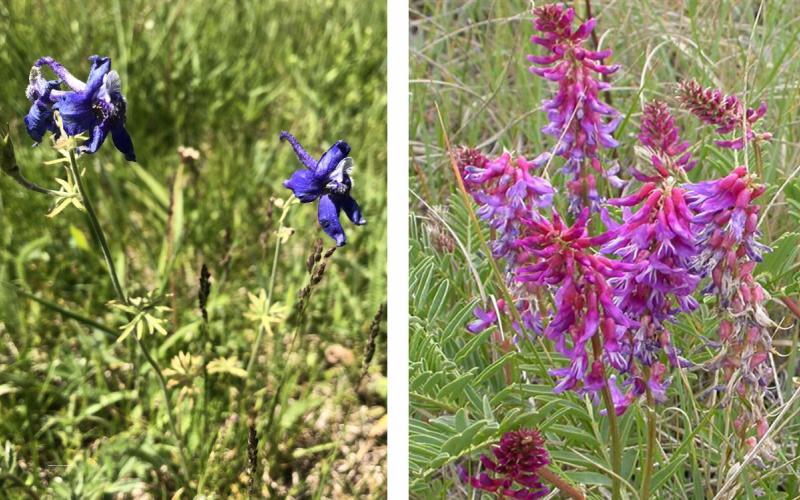
Poisonous Plants on Rangelands: Larkspur and Poisonvetch
Larkspurs are the second leading cause for all livestock deaths from toxic plant poisoning. Poisonvetches are considered accumulator plants that uptake excessive levels of selenium and cause toxicity problems in cattle.
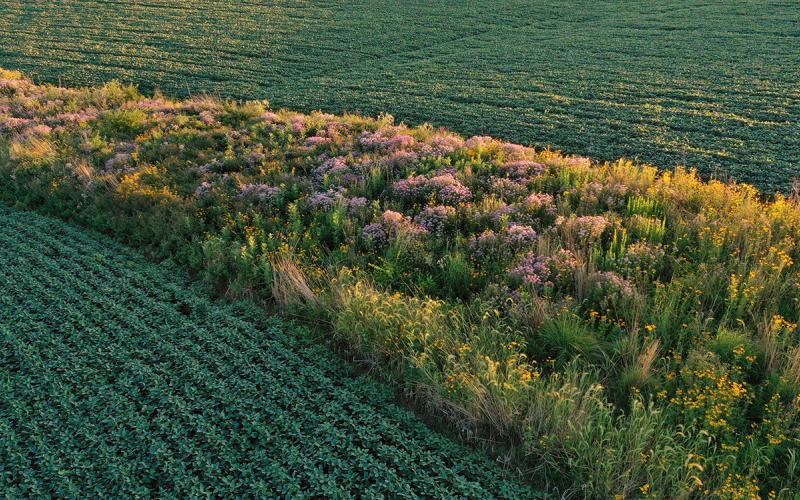
Using Prairie Strips To Protect South Dakota Water
Prairie strips are a new continuous Conservation Reserve Program practice that integrates native prairie plantings oriented linearly within a row crop field to reduce soil erosion and runoff.
Conservation Drainage Complexities Part 2
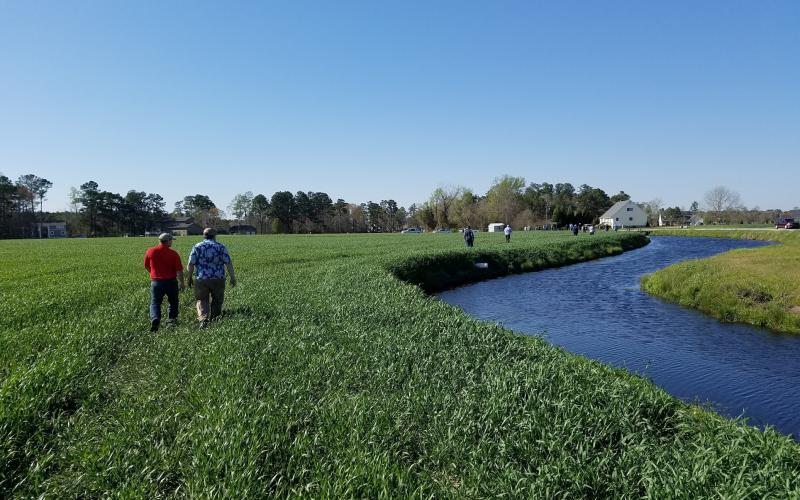
What can we do to prepare for the future of conservation drainage?
Poisonous Plants on Rangelands: Locoweed and Crazyweed
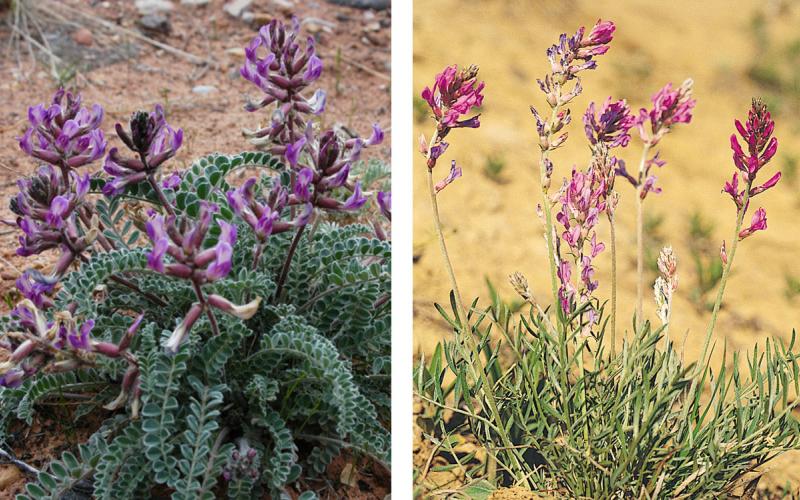
Locoweed and crazyweed are found throughout South Dakota rangelands, and both can cause livestock poisoning.The names locoweed and crazyweed are often used interchangeably. However, there are notable differences between the species.