Search
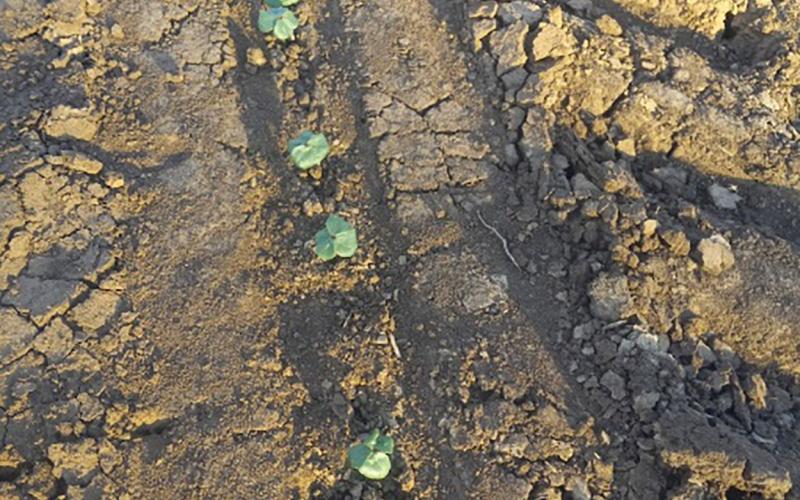
Accounting for Soil Wetness Prior to Conducting Farm Operations to Minimize Compaction
In the spring many agricultural producers are anxious to get into the field and perform tillage, planting, and chemical applications. However, if field operations are done when the soil is too wet, this can lead to soil compaction.
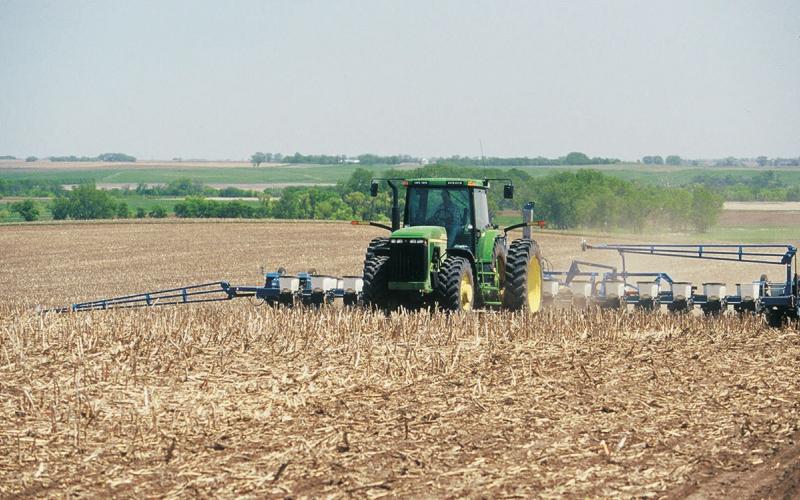
Conservation Practices Increasing in South Dakota
The recently released Agricultural Census data of 2022 shows that the share of cropland acres under conservation practices has continued to increase in South Dakota.

4-H Shooting Sports Hall of Fame Honorees
The 4-H Shooting Sports Hall of Fame was started in 2015. It was created to recognize those who played a role in bringing shooting sports to the South Dakota 4-H Program and those who have helped it to grow on the state and regional levels.
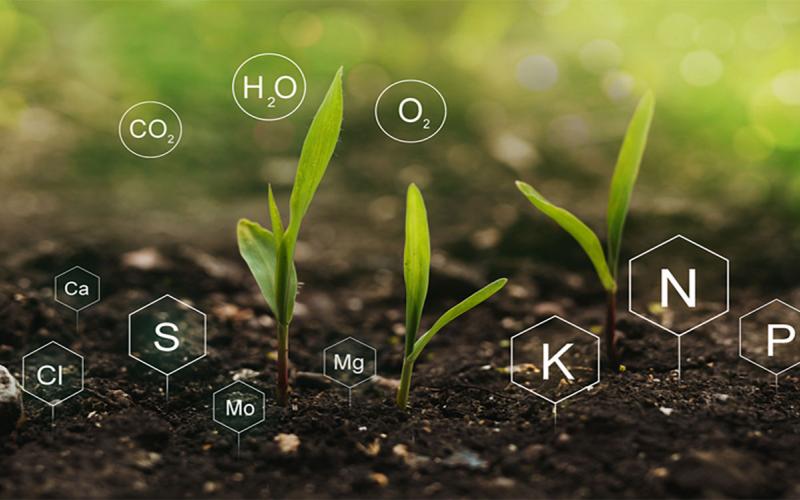
Interpreting Soil Tests for Gardening
There are many different chemicals that make up plants. These chemicals include hydrogen, carbon, oxygen, nitrogen, phosphorus, sulfur, calcium, magnesium, iron, manganese, copper, boron, zinc, molybdenum, cobalt, and chlorine.

Life Skills Passport Curriculum
Curriculum to help youth and young adults learn applicable life skills.
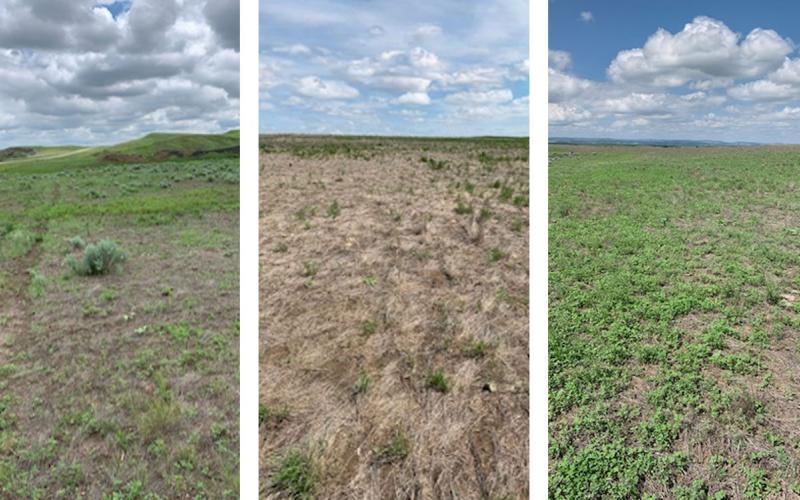
Notes From the Range: Crested Wheatgrass Die-off
Crested wheatgrass die-offs occurred in South Dakota during the summer 2023. It was a noteworthy event and previously occurred in Montana several years prior. Learn where the die-offs occurred and what likely caused them.
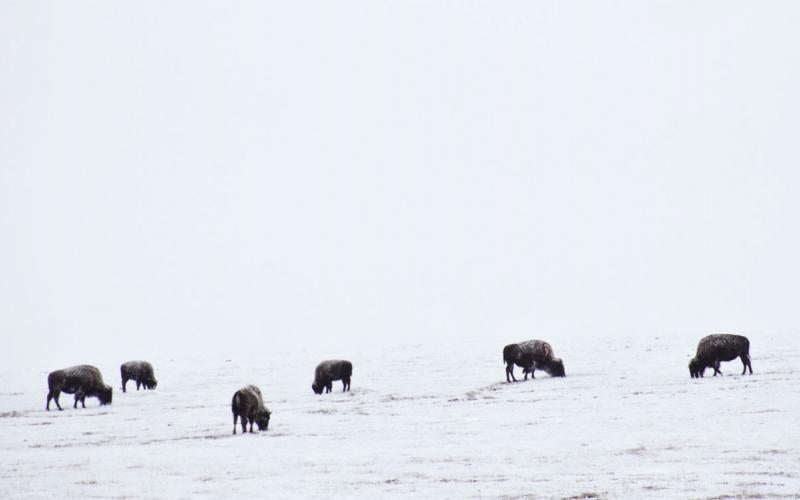
Considerations for Winter Bison Management
Although many tools and techniques developed for cattle management have been adapted for bison, there are some stark differences between the two species that producers should consider when managing bison on winter range.
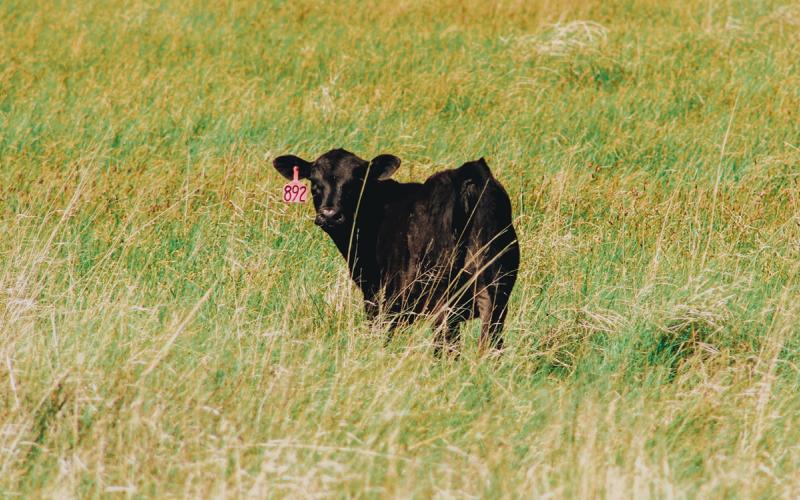
Monitoring Spring Precipitation and Range Conditions
Ideal grazing management balances the acts of grazing and recovery. Monitoring precipitation, soil moisture, and forage production can help producers make informed decisions for their herds and pastures.
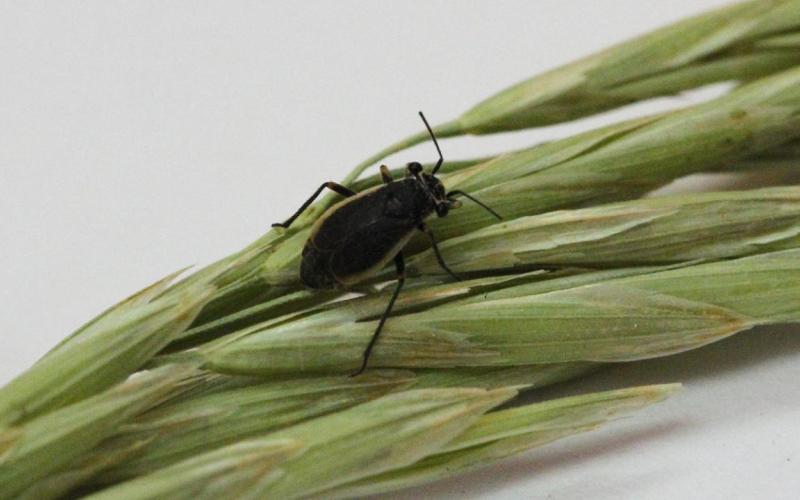
Keep an Eye on Black Grass Bugs This Spring
In South Dakota, black grass bugs are a common spring pest of forage grasses. This native insect first appears in late April and May when grasses emerge from dormancy.

South Dakota Grasshopper Prediction for 2024
In 2024, grasshoppers are likely to cause problems in areas of South Dakota due to large populations that were present in 2023 and the relatively late first hard freeze date observed in much of the state.