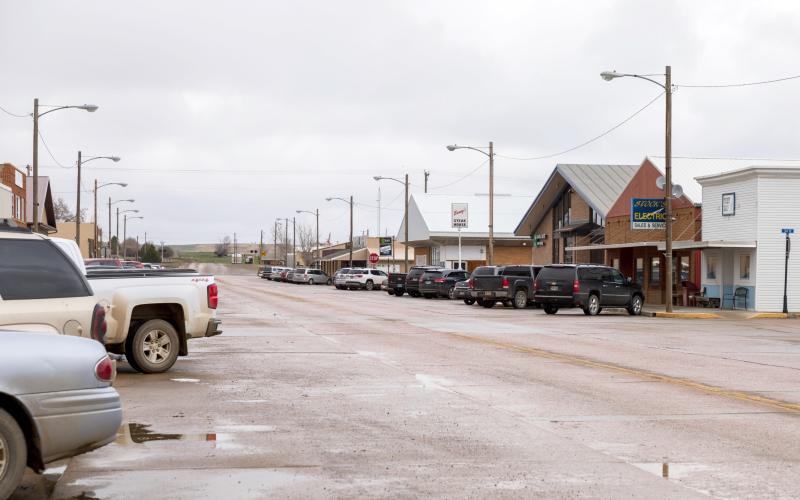
Healthy Families & Communities focuses on improving health outcomes in rural and tribal communities by promoting healthier nutrition and physical activity behaviors, while also increasing access to nutritious foods and opportunities for physical activity. Through targeted initiatives, the program provides interventions that empower individuals and communities to improve their overall health and well-being through a combination of direct education and policy, systems, and environmental (PSE) strategies designed to create lasting, positive changes.
This approach includes three key programs:
- Centers for Disease Control and Prevention High Obesity Program (CDC HOP): Collaborates with communities in high obesity areas to assess, develop, and implement strategic programs and policies to create systemic health improvements.
- Expanded Food & Nutrition Program (EFNEP): Empowers families with limited resources to develop the skills and confidence in making healthy food and lifestyle choices through hands-on learning.
- Supplemental Nutrition Assistance Program – Education (SNAP-Ed): Supports individuals eligible for SNAP benefits, promoting nutritional education and healthy lifestyle choices.
Direct Education
Family & Community Health Educators deliver a series of hands-on, evidence-based nutrition education lessons to limited-resource individuals, families and youth. The series of lessons are intended to increase healthy behaviors by teaching practical skills like meal planning, budgeting, cooking and physical activity. In addition, educators build partnerships, adapt programs to audience needs, and support policy, system, and environmental changes that promote health.
Community Policy, Systems and Environmental Change
We partner directly with local organizations to implement policy, systems, and environmental improvements that support better nutrition and increased physical activity. By building strong relationships, through coalitions, inter-agency collaboration, and on-the-ground engagement, we help communities identify opportunities to strengthen their local nutrition and active living environments.
Because every community is unique, our team focuses on place-based, community-led solutions that foster long-term sustainability.
In the short term, our efforts aim to:
- Expand access to healthier foods
- Support policies, plans, and community design changes that make physical activity easier and safer
Over the long term, these strategies work together to:
- Improve health behaviors and outcomes
- Reduce disparities in chronic diseases
Beyond local support, our statewide team collaborates with networks and partners across South Dakota, such as the SD Healthy Nutrition Collaborative, Food is Medicine Network and the South Dakota Active Transportation Network, to align efforts, strengthen programs that increase local purchasing power, and share resources related to active transportation.
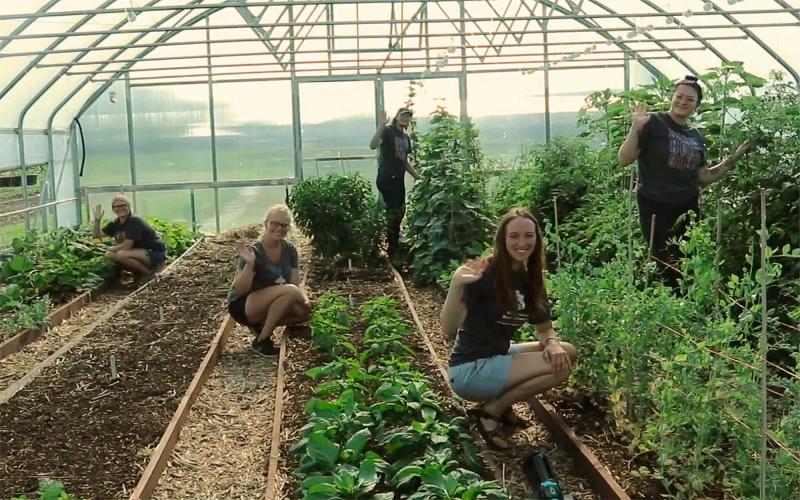
Learning Garden in Dupree https://youtu.be/SzmA4PxHqIo
Youth in Dupree develop healthy lifestyle skills in the Learning Garden. Using SDSU Extension's evidence-based resources, they plant, grow, harvest and eat a variety of fruits and vegetables.
Tokata Youth Center in Fort Thompson https://youtu.be/F-iiP9U8tJI
The Tokata Youth Center is a hub for physical activity and nutrition in Fort Thompson, South Dakota. Local efforts are strengthened with SDSU Extension's experience and technical assistance to support youth and families.
Our Experts






Funding Disclaimers
- CDC: This material was funded by Centers for Disease Control High Obesity Program (HOP) CDC-RFA-DP18-1809.
- EFNEP: The Expanded Food and Nutrition Education Program (EFNEP) is funded by the US Department of Agriculture, National Institute of Food and Agriculture (NIFA).
- SNAP-Ed: This material was funded by USDA's Supplemental Nutrition Assistance Program -- SNAP.